Restored
This page presents a database of our restorations and reveals the identity and context of each film, allowing you to discover the history of our film heritage.


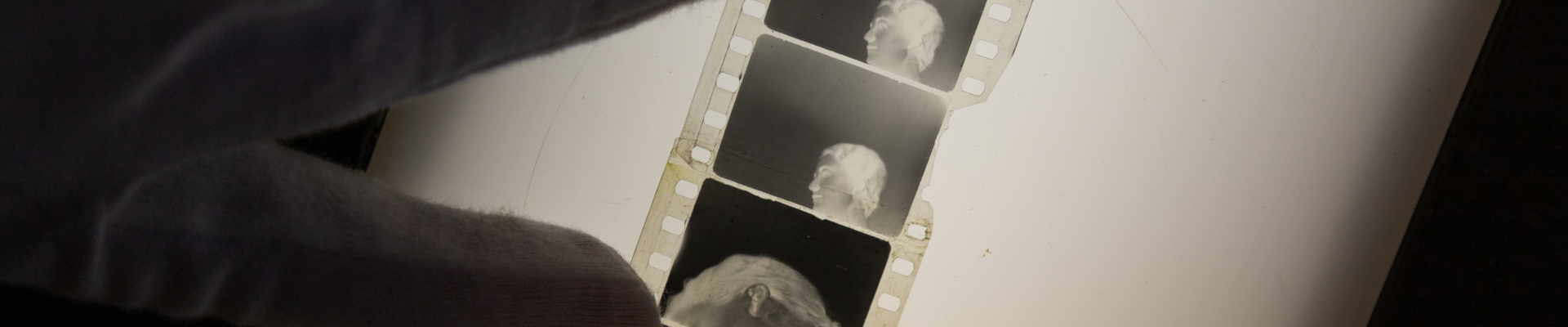


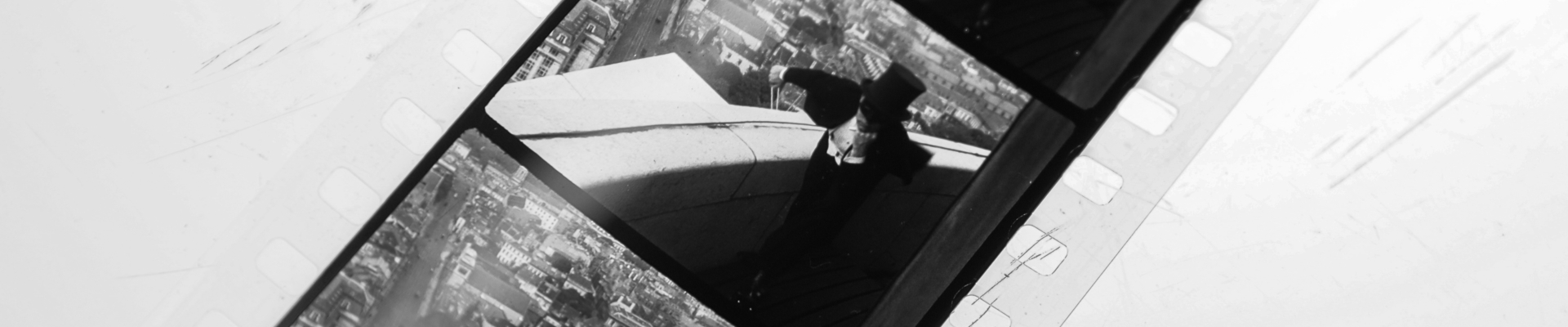
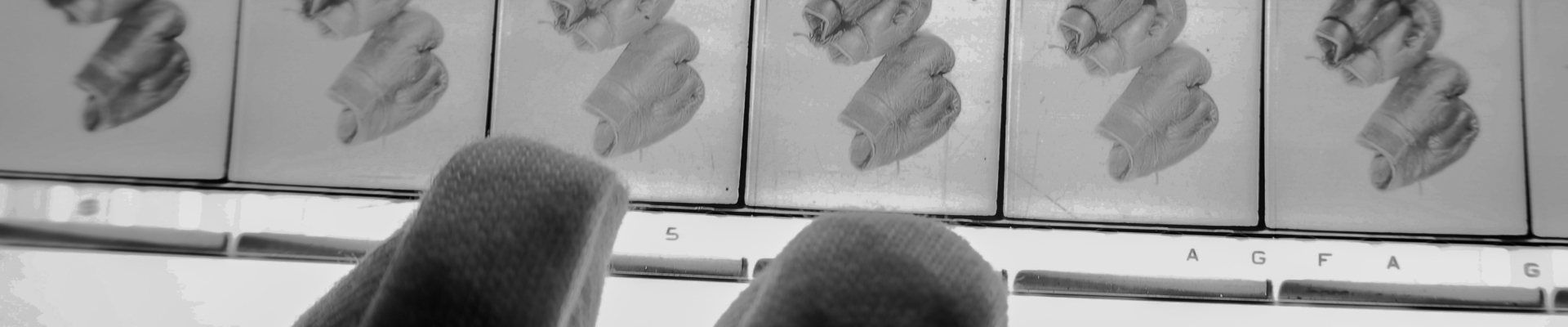
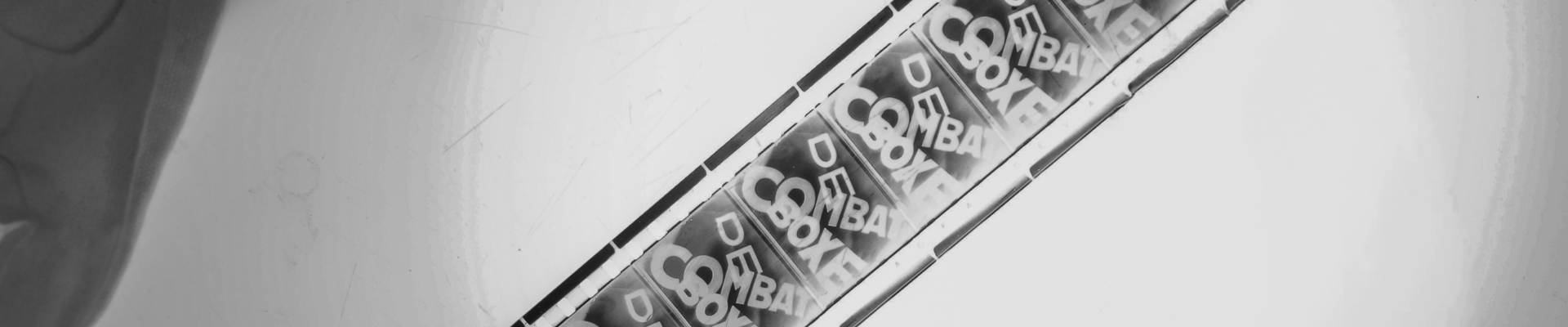

When we think of CINEMATEK’s purpose, we think first and foremost of our Museum of Cinema, of screenings of great classics and unique films on the big screen, or the objects and inventions associated with filmmaking that are exhibited there. However, the often forgotten reason for our institution’s existence, which is both the hidden face and the beating heart of CINEMATEK, is the preservation and restoration of films.
When it was founded in 1938, the Royal Film Archive had only three films in its collection. Today, almost 90 years later, its collection includes 260,000 copies and negatives of 86,000 titles. Like other major film archives around the world, its primary purpose when it was founded was to preserve cinema and pass it on to future generations. Yet, preservation has always been associated with the challenges of restoration, a process which presents constant challenges and requires ongoing adaptation from the institution.
First, with the transfer of highly flammable nitrate film to a safer medium, and more recently with the transition to digital media. Since 2010, CINEMATEK has adapted to the growing demand for digitisation, and by introducing DIGILAB in 2012, we have enabled the in-house creation of high-quality digital versions of our collection, guaranteeing not only the preservation of the authenticity of original images but also the accessibility, (re)discovery and (re)appreciation of our collection of films for today’s audiences.
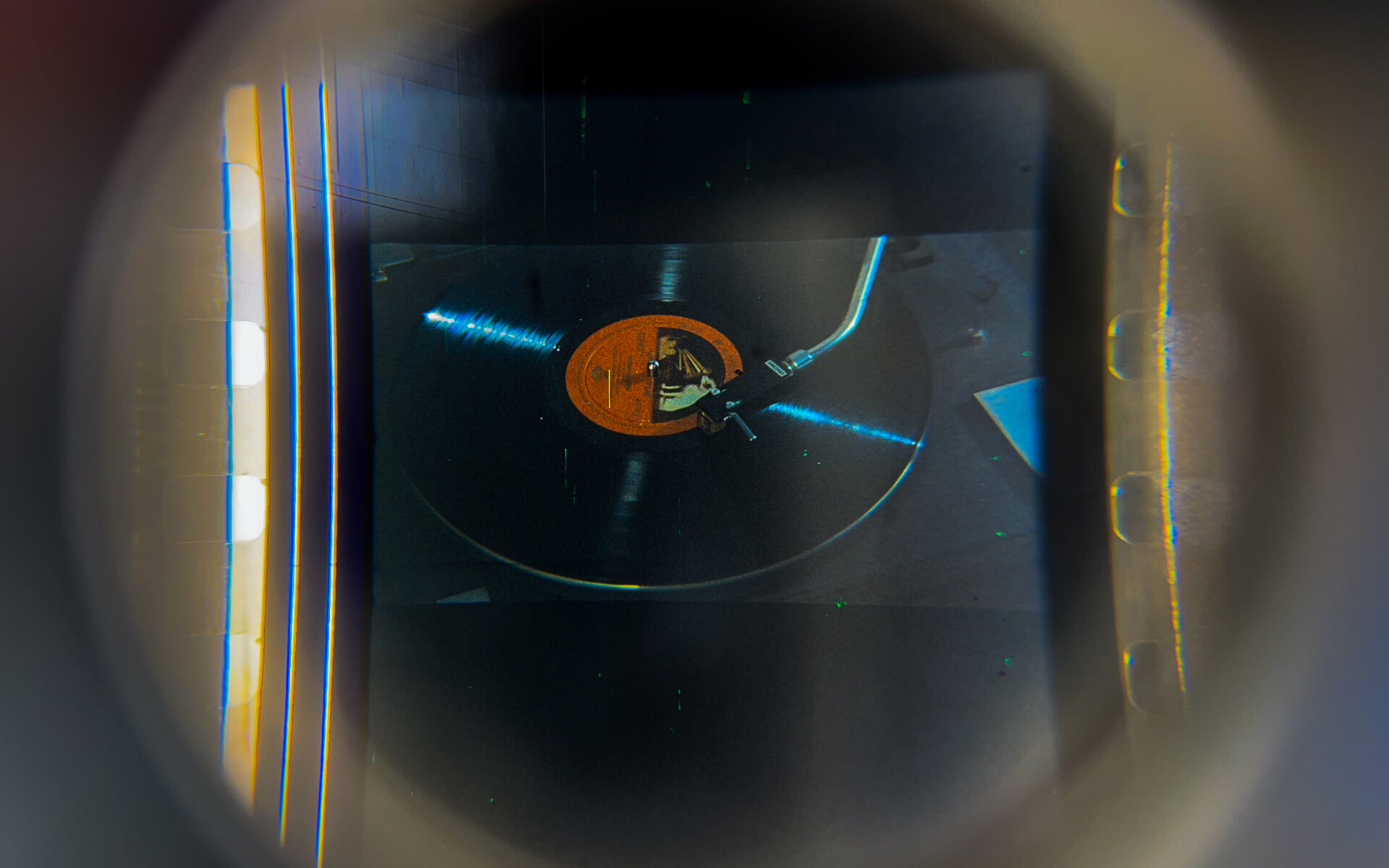

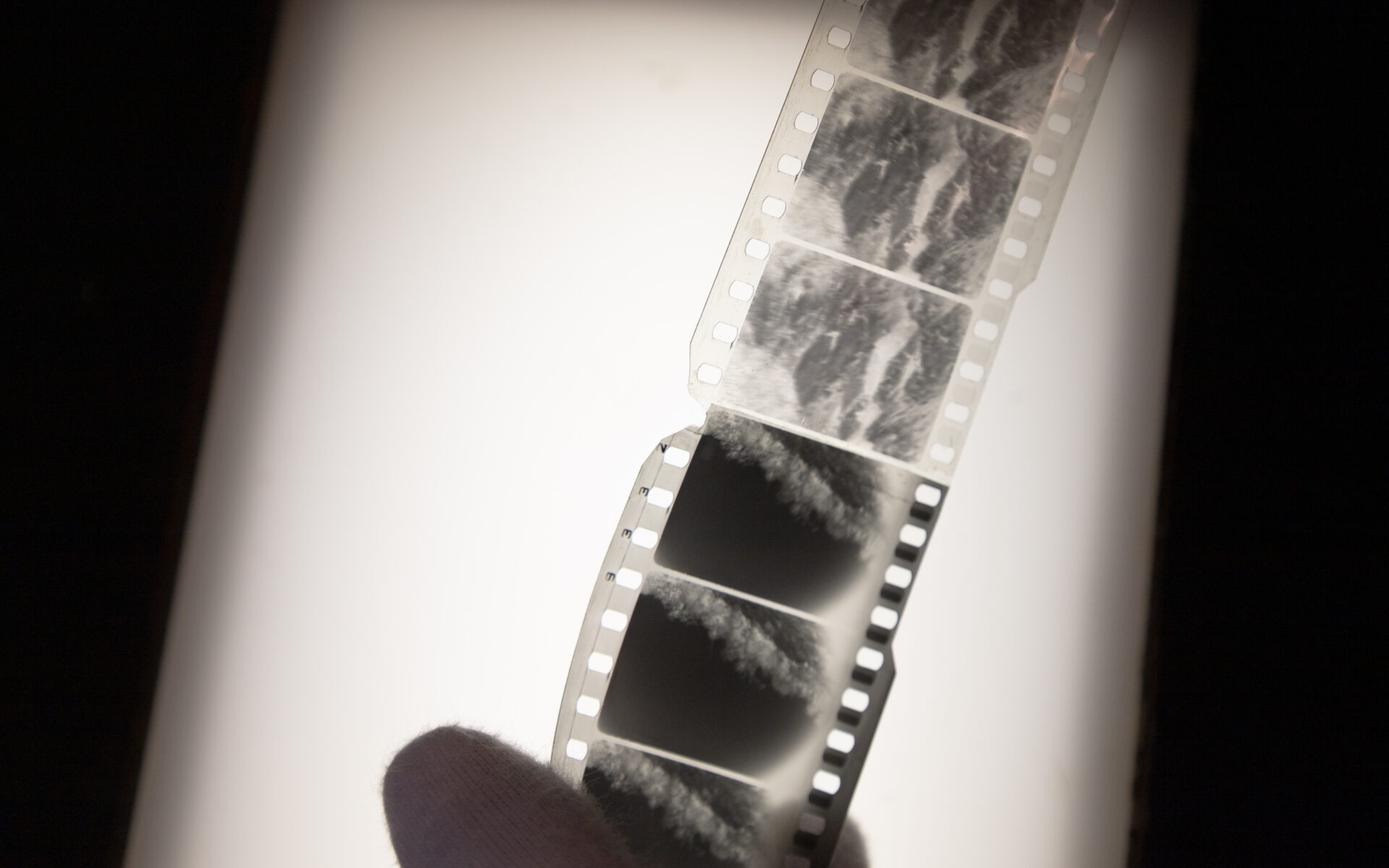
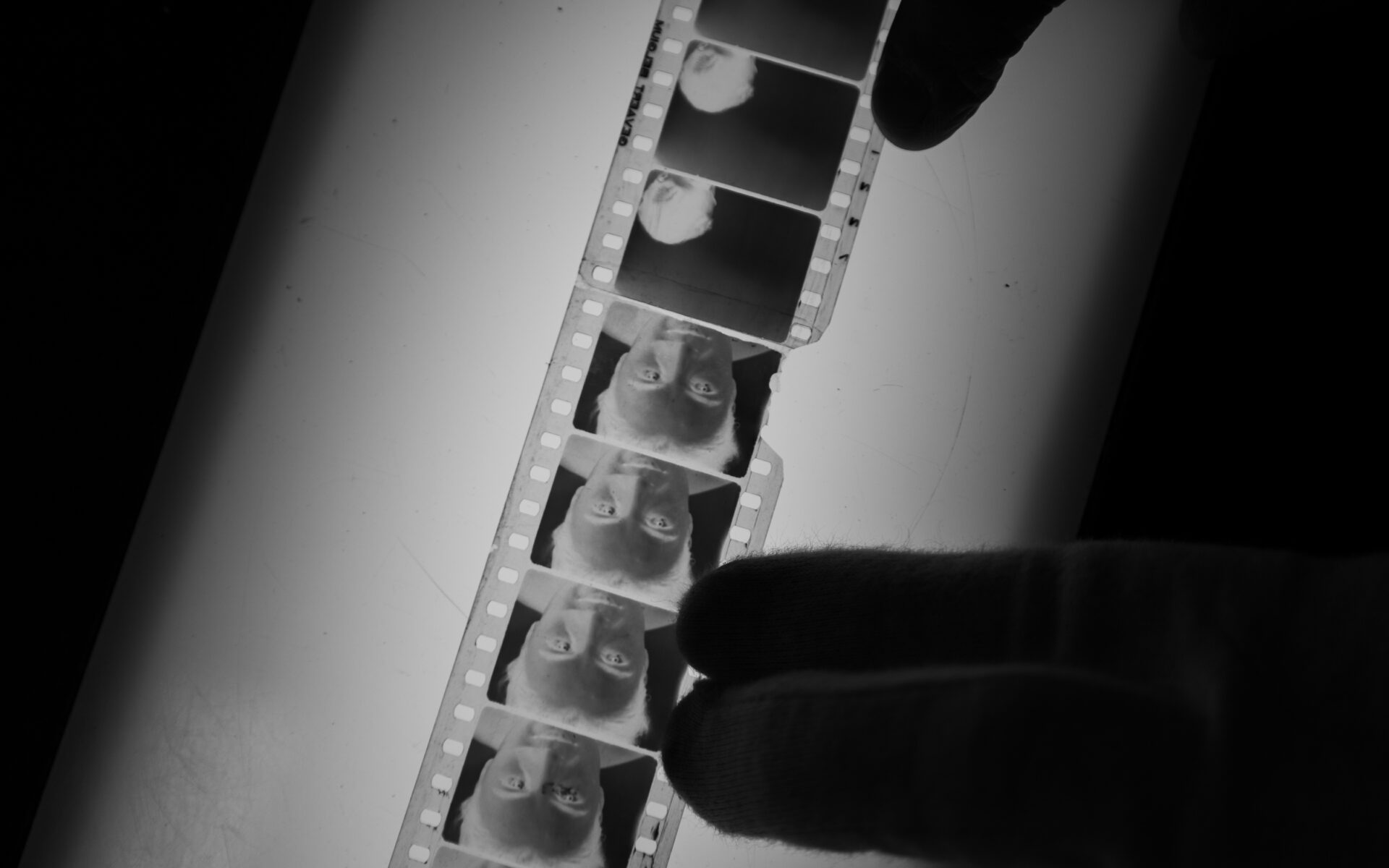

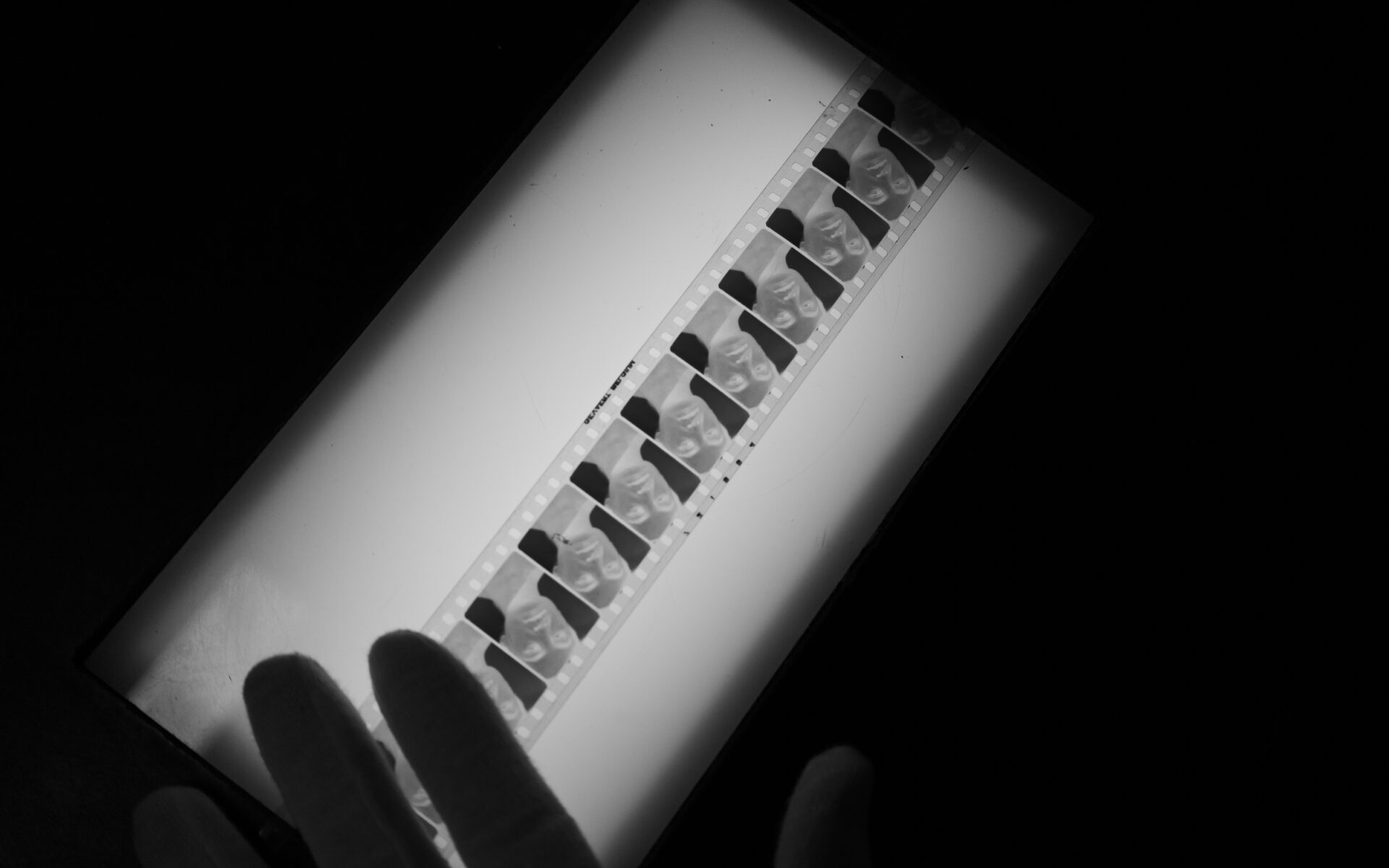
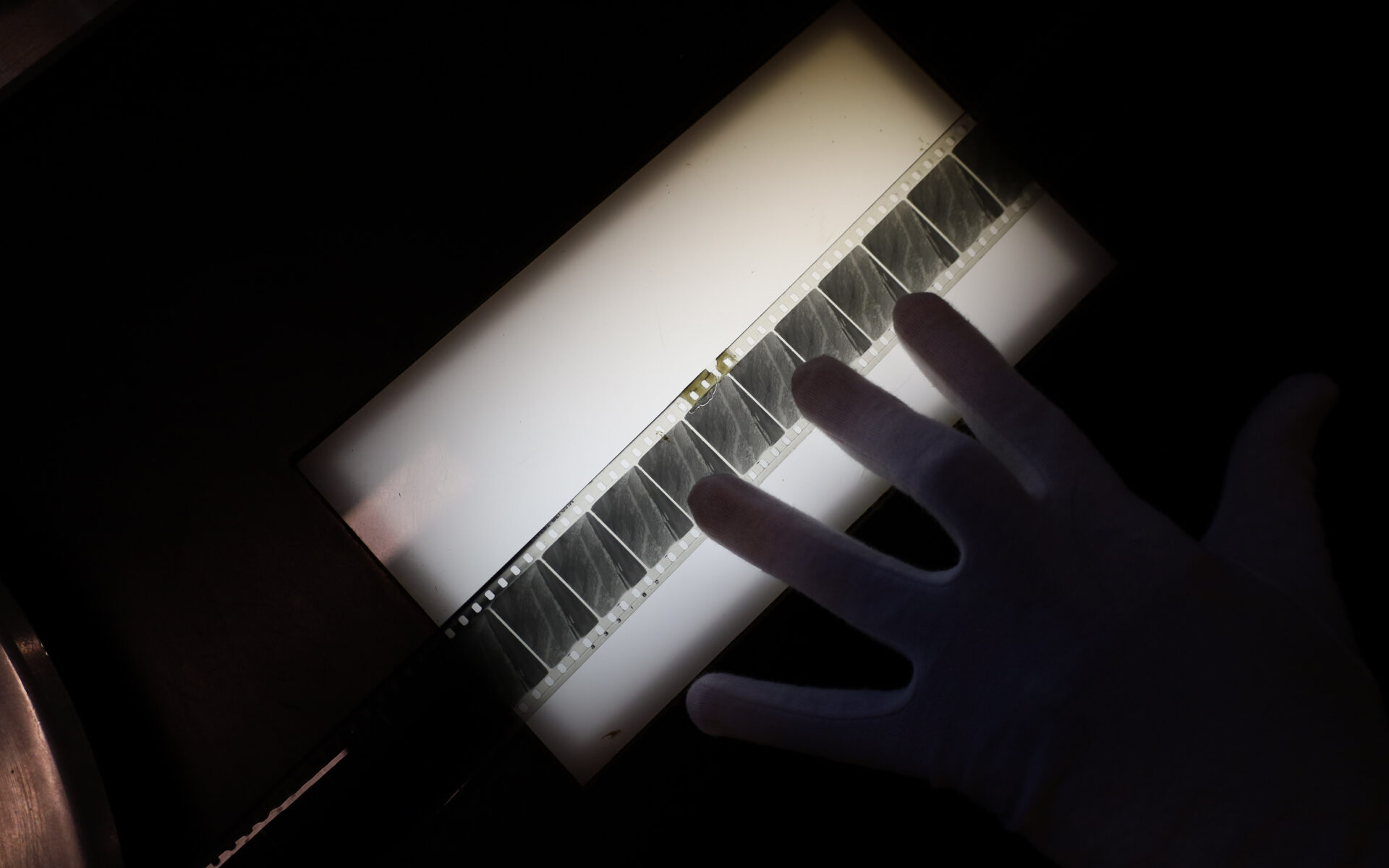
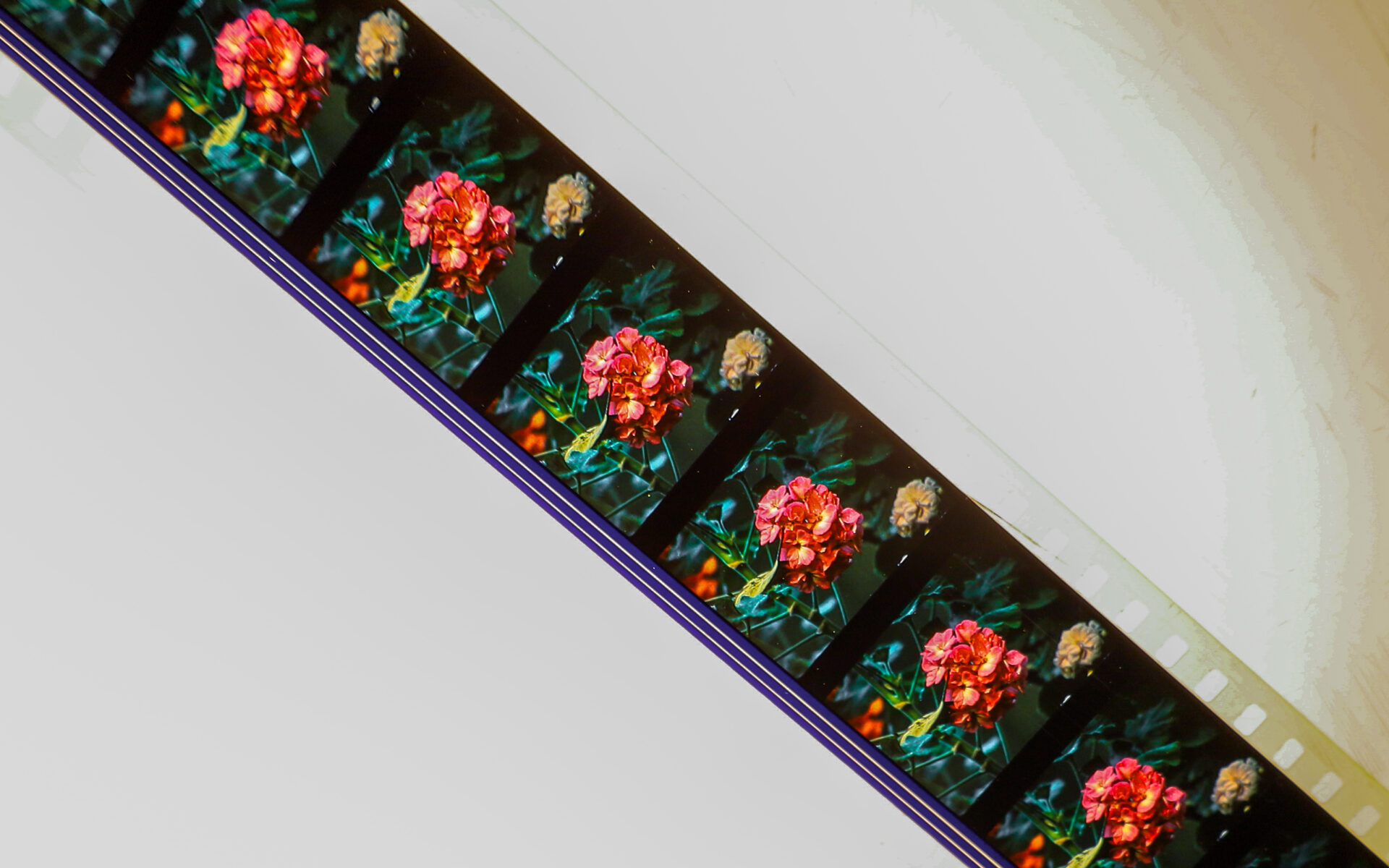


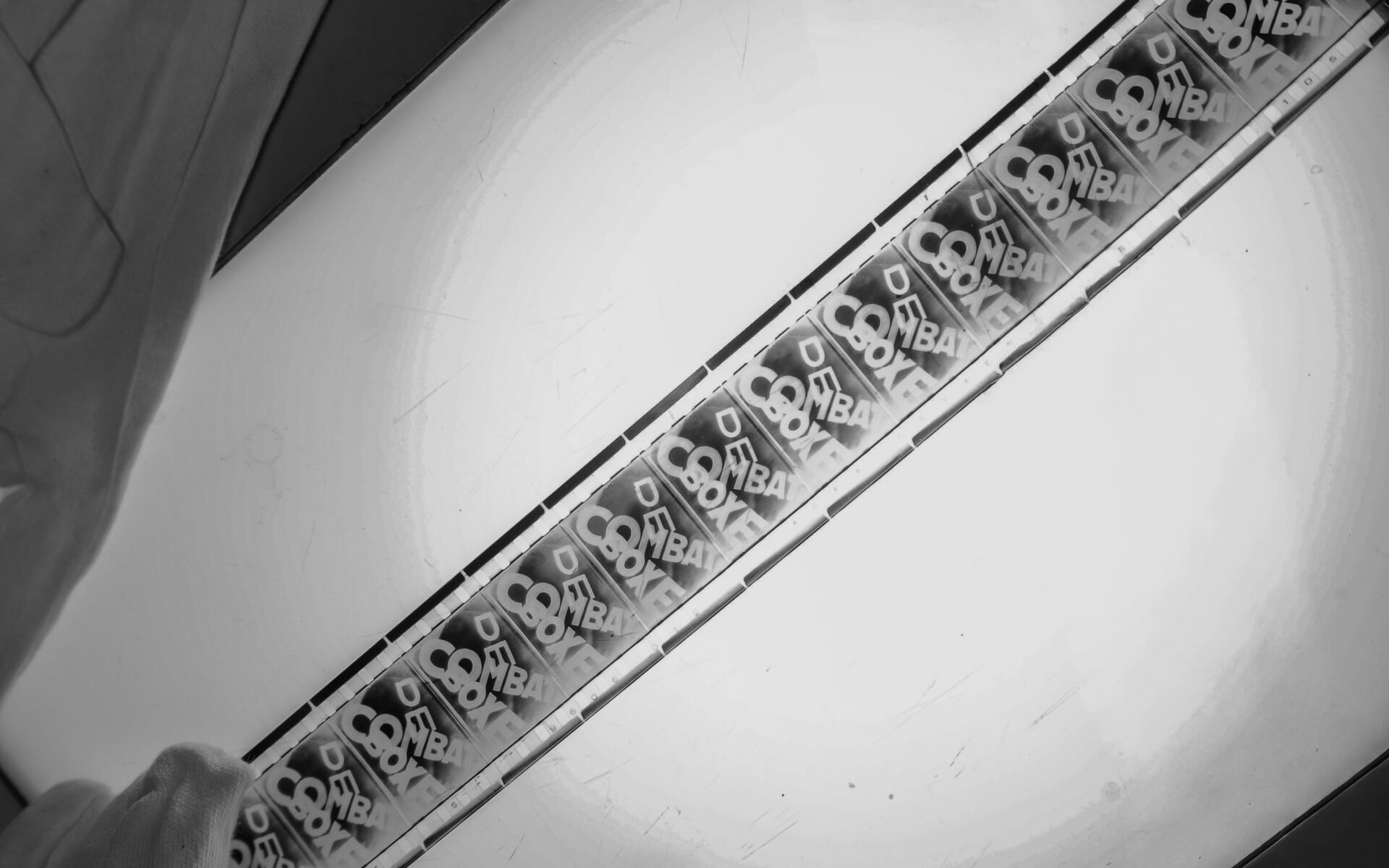
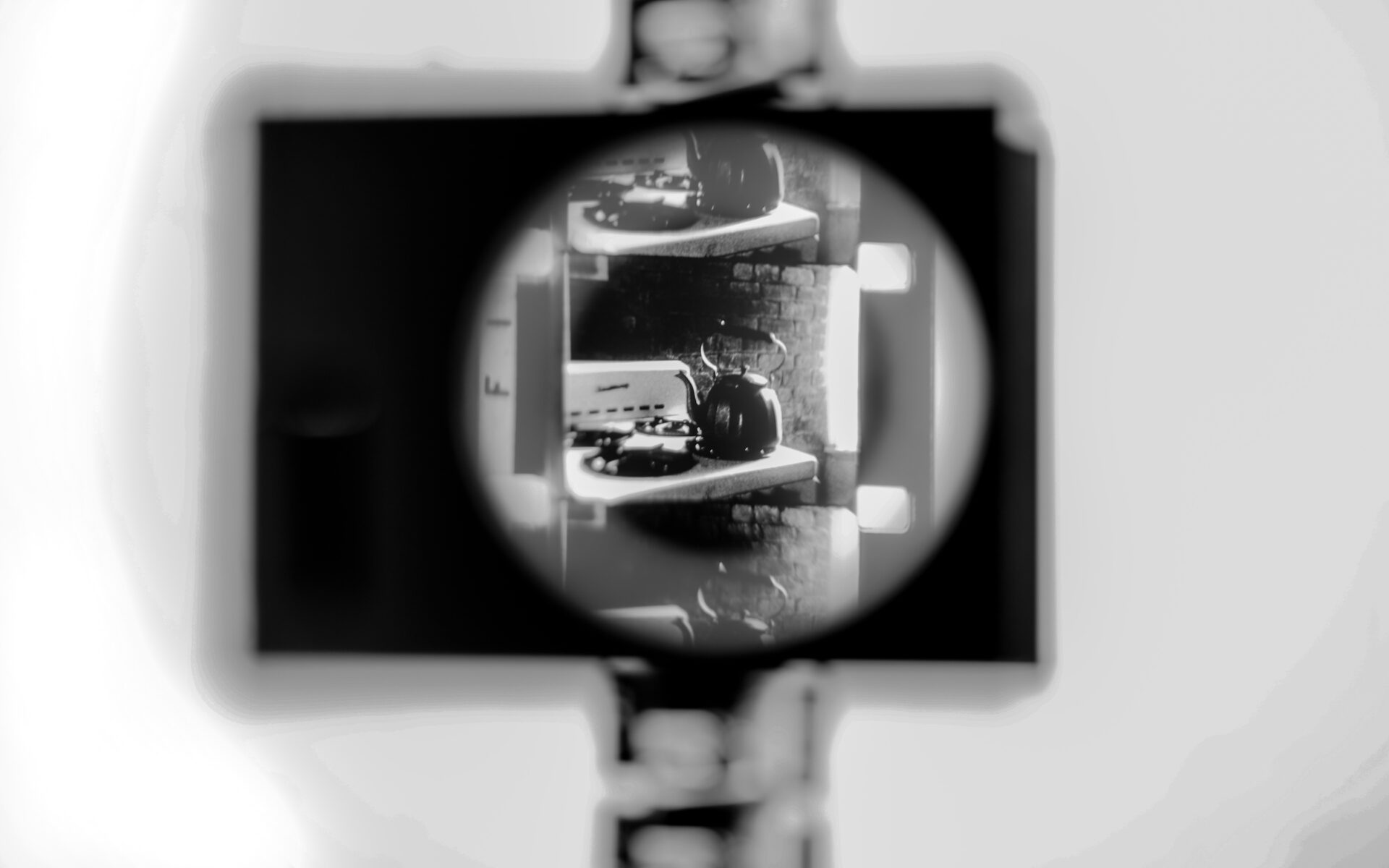
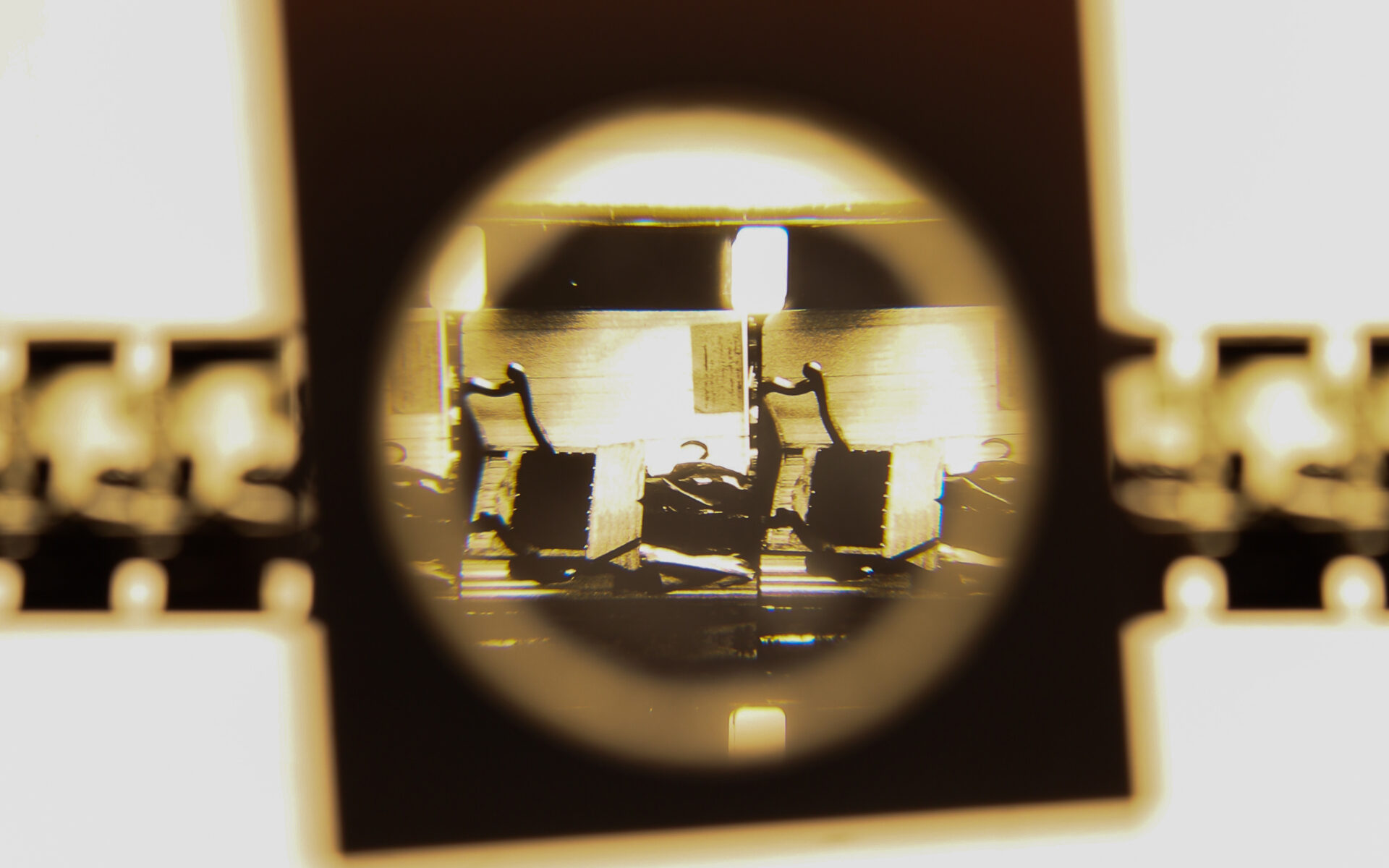
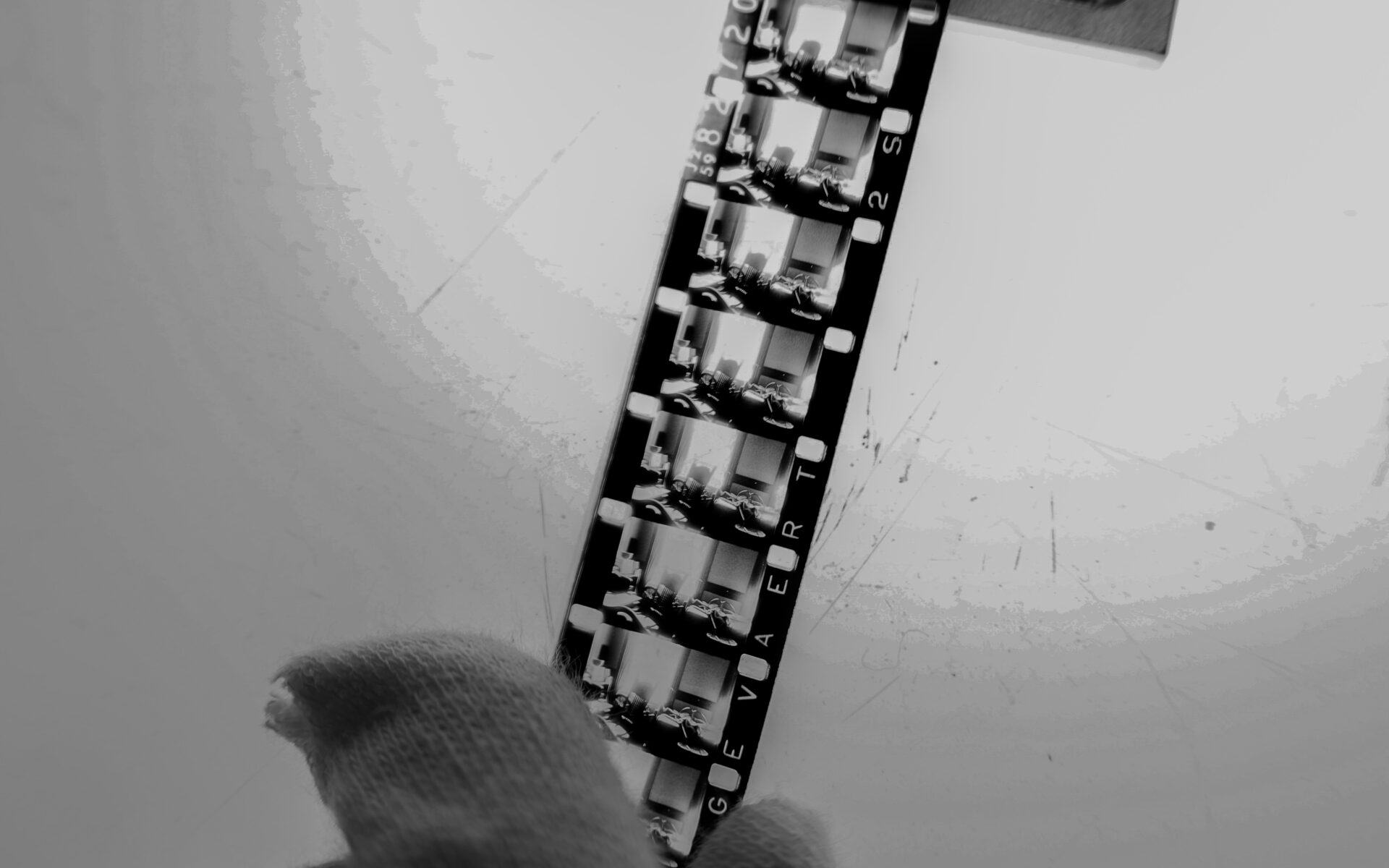
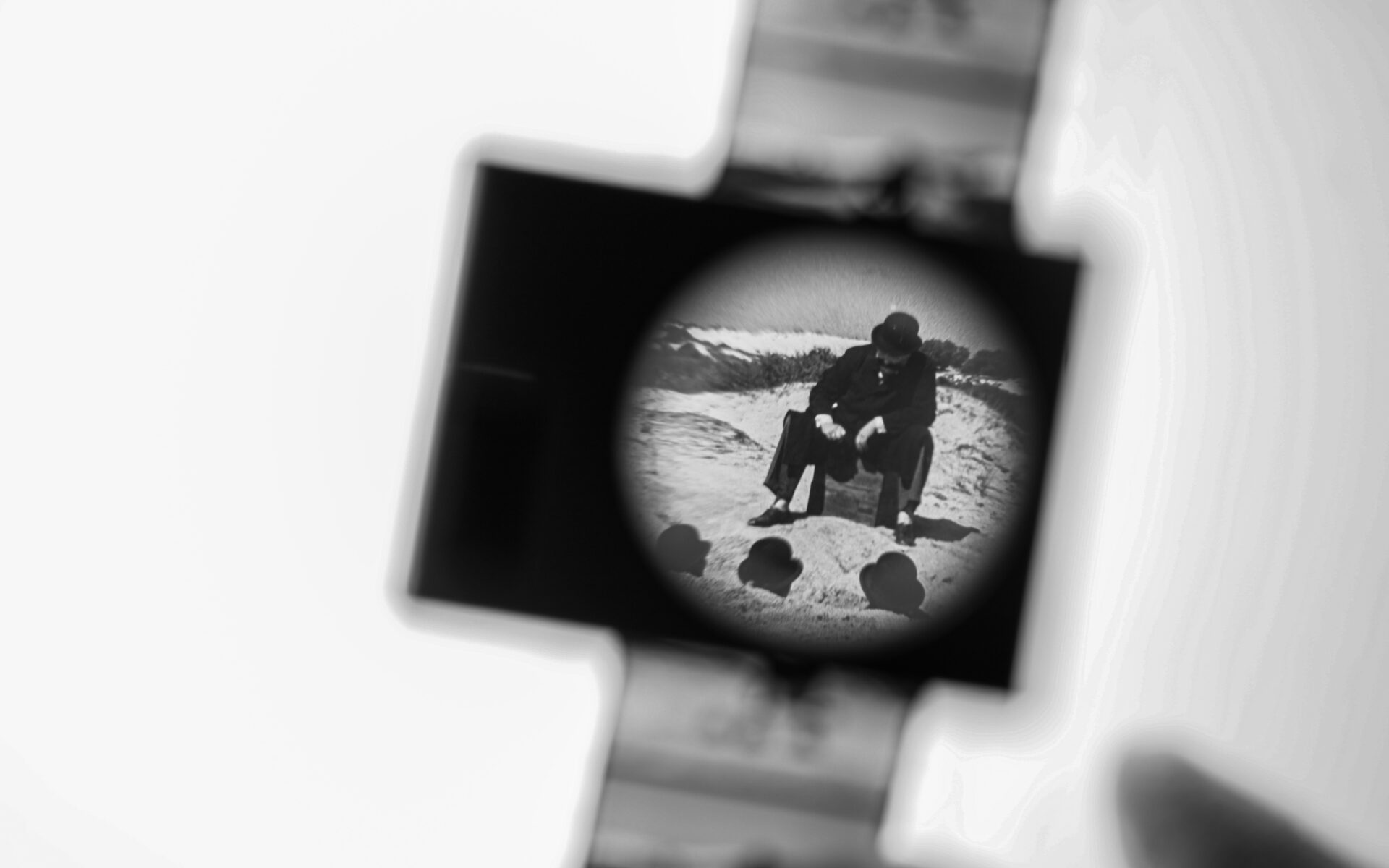
Our team at DIGILAB preserve and restore works from our collection, thereby saving numerous titles by storing them on film reels.Every effort is made to produce a version that is as close as possible to the original, and each restored copy of a title is a unique object that undergoes a rigorous method of preservation.
This begins with searching for the original physical elements to obtain the best image quality (ideally the original negative, i.e. the one that was in the camera at the time of filming), followed by inspection of the elements, cleaning of the film in a specially designed washing machine and scanning. Once digitised, the images are cleaned using specialised tools and equipment – dust, scratches or alterations resulting from the use of the material and changes in the chemical composition of the film are removed. Calibration and colour balancing are then crucial steps in restoring the original visual appearance, comparing the digital image to a reference copy and, where possible, in the presence of the director of photography who helped create the original film image. The final step is encoding for distribution (small or large screen) and long-term storage on magnetic tape. Film libraries therefore play a fundamental and ongoing role in preserving film heritage, which has not always been considered a cultural artefact worthy of preservation. Thanks to the work of archives, a significant part of this history has been preserved. Today, the challenges have evolved, but the missions remain essential: to protect, restore, promote and pass on the memory of cinema to future generations.
This page invites you to discover this heritage, either through themes in which the films are programmed and echo each other, or via searches by filmmaker, year, genre, or format. Each film has an entry containing technical and artistic information, the filmmaker’s biography, a synopsis and the film’s history, and an exhaustive bibliography referring to press clippings and reference works on Belgian cinema that can be consulted in our documentation centre.