Avant-garde Visions - Belgian Heritage On Screen
Monsieur Fantomas
Mr Fantomas
Monsieur Fantômas
Ernst Moerman, Belgium 1937
Silent, Short, Experimental
"All those who can recall the adventures of the famous bandit retain them like the memory of a dream—what remains is an epic that feels more unreal than incoherent. Yet, those who do remember will find in this film a profoundly poetic absurdity of a story pushed beyond the limits of plausibility, whose images will transport them, for half an hour, to another world " - Ernst Moerman (La Gazette, 8 September 1937)

- Director :
- Ernst Moerman
- Year :
- 1937
- Country :
- Belgium
- Actors :
- Trudi Van Tonderen, Jean Michel, Jacqueline Arpé
- Film Format :
- B&W
- Duration :
- 20'
- Version :
- ST : NL
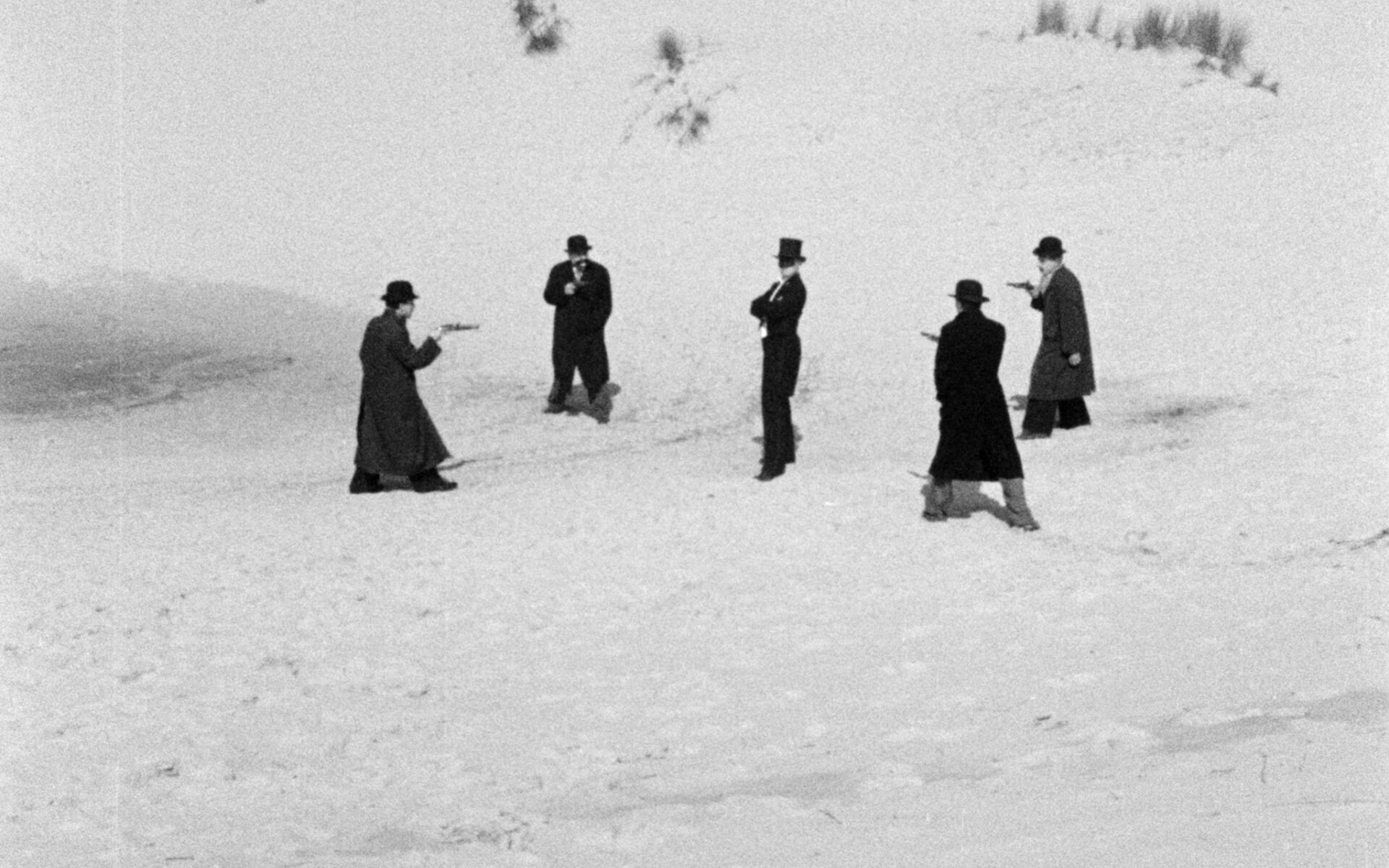
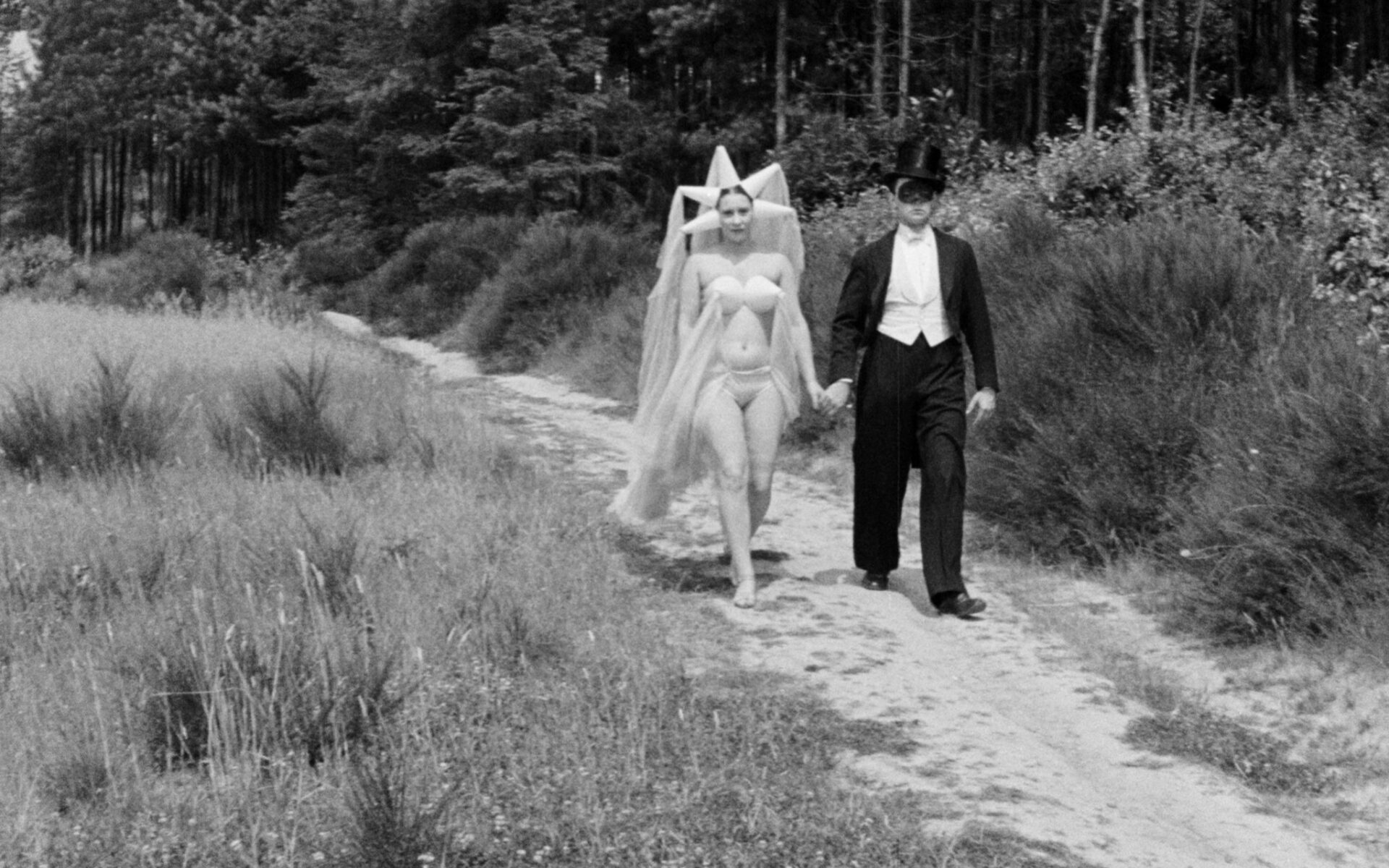
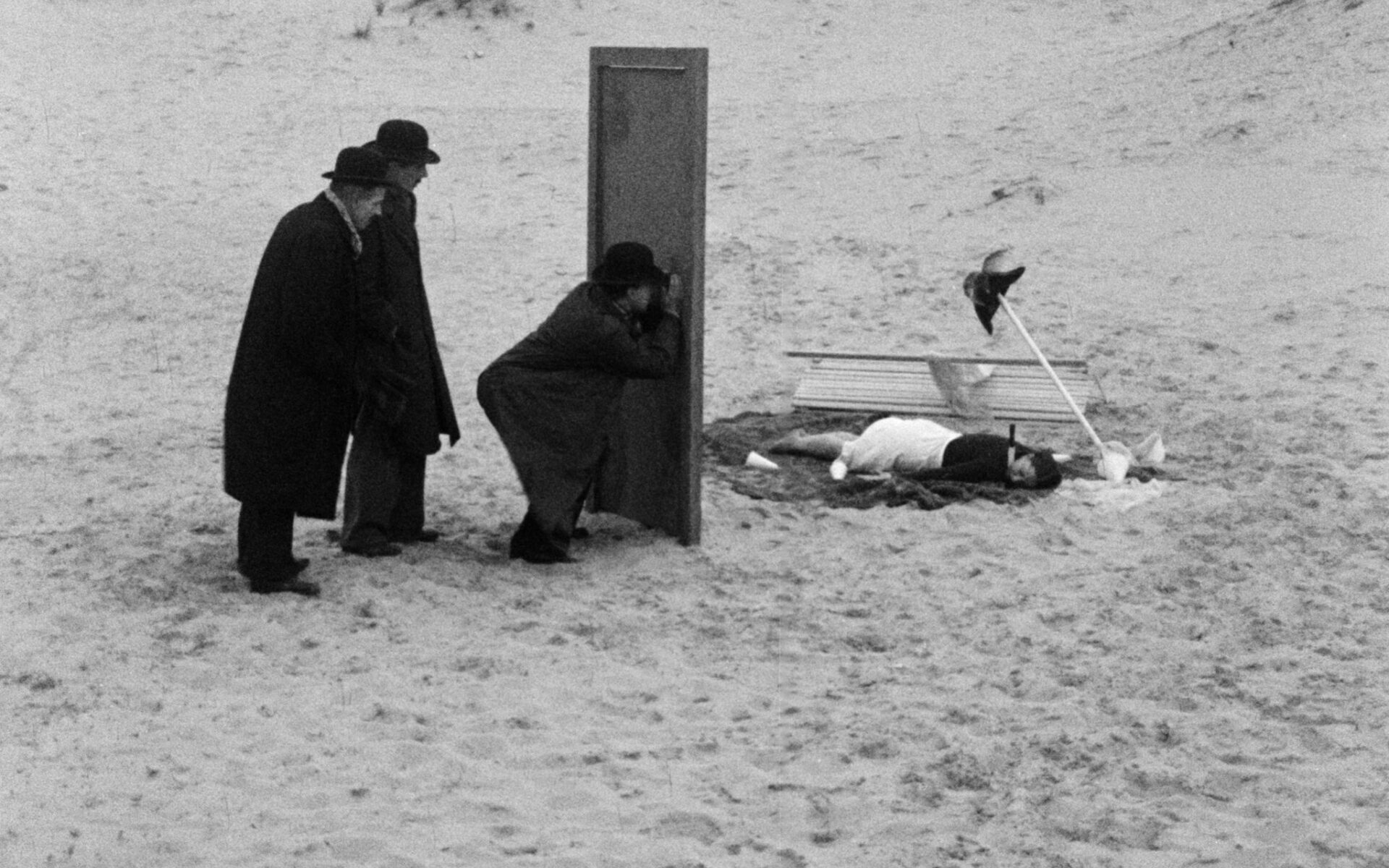
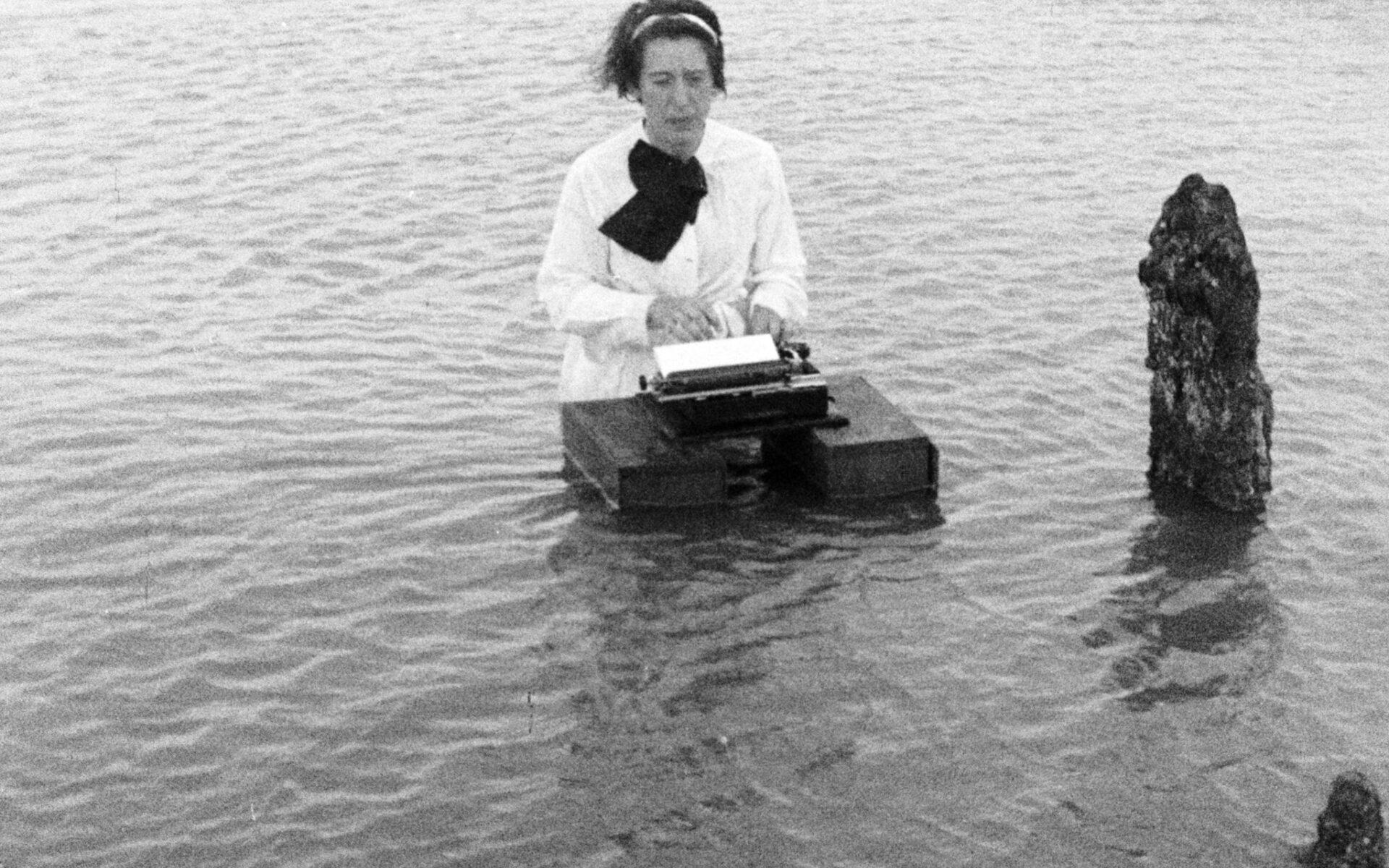
Ernst Moerman (1887/1897 – 1944) was a Belgian poet and filmmaker. I Deeply inspired by his reading of the 35-volume Fantômas series by Souvestre and Allain, he made his only film in 1937, Monsieur Fantômas, which he described as the “280,000th chapter” in the adventures of his hero. The hero was played by ‘Jean-Michel’, the pseudonym of Léon Smet, who was the father of singer Johnny Hallyday

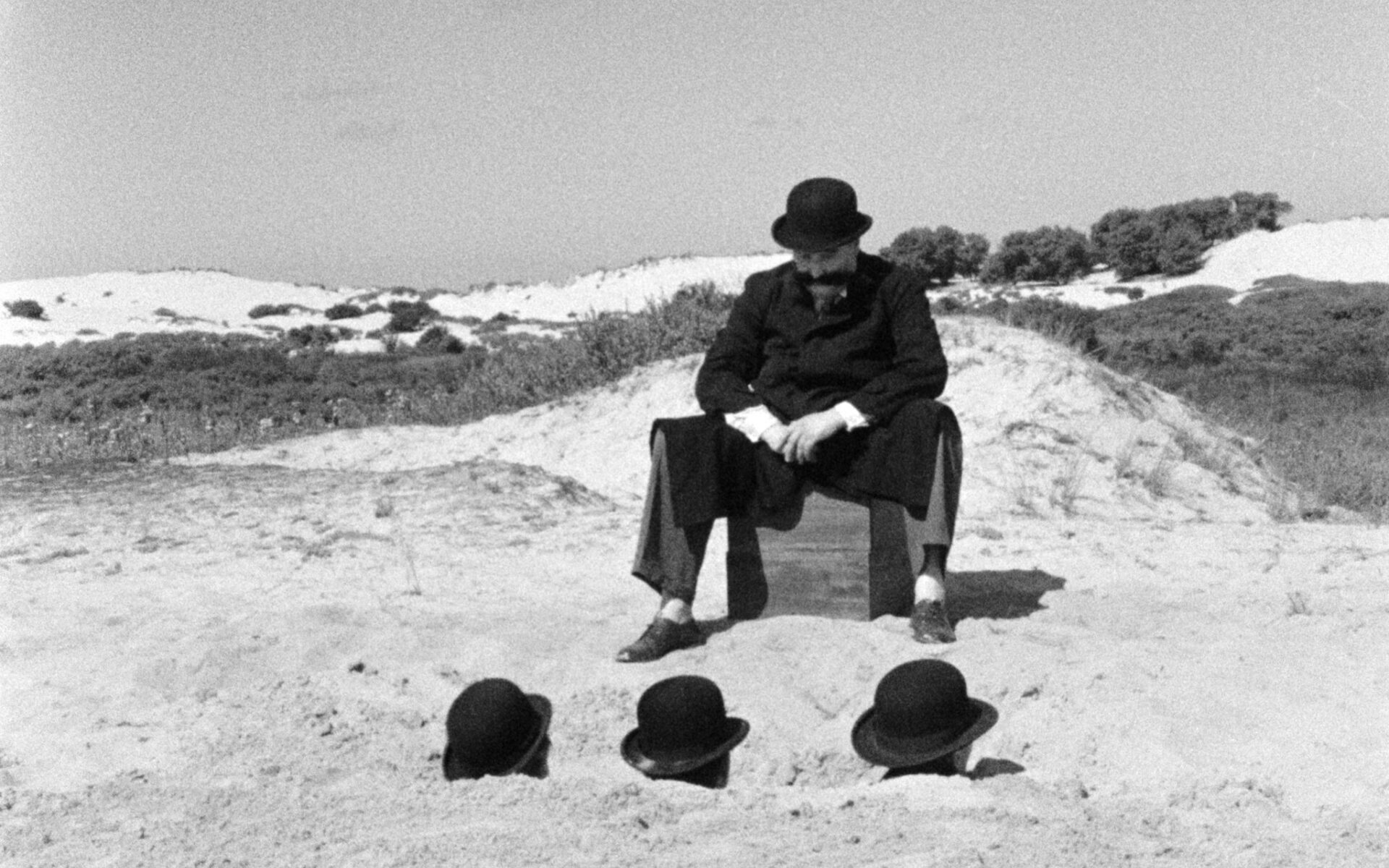
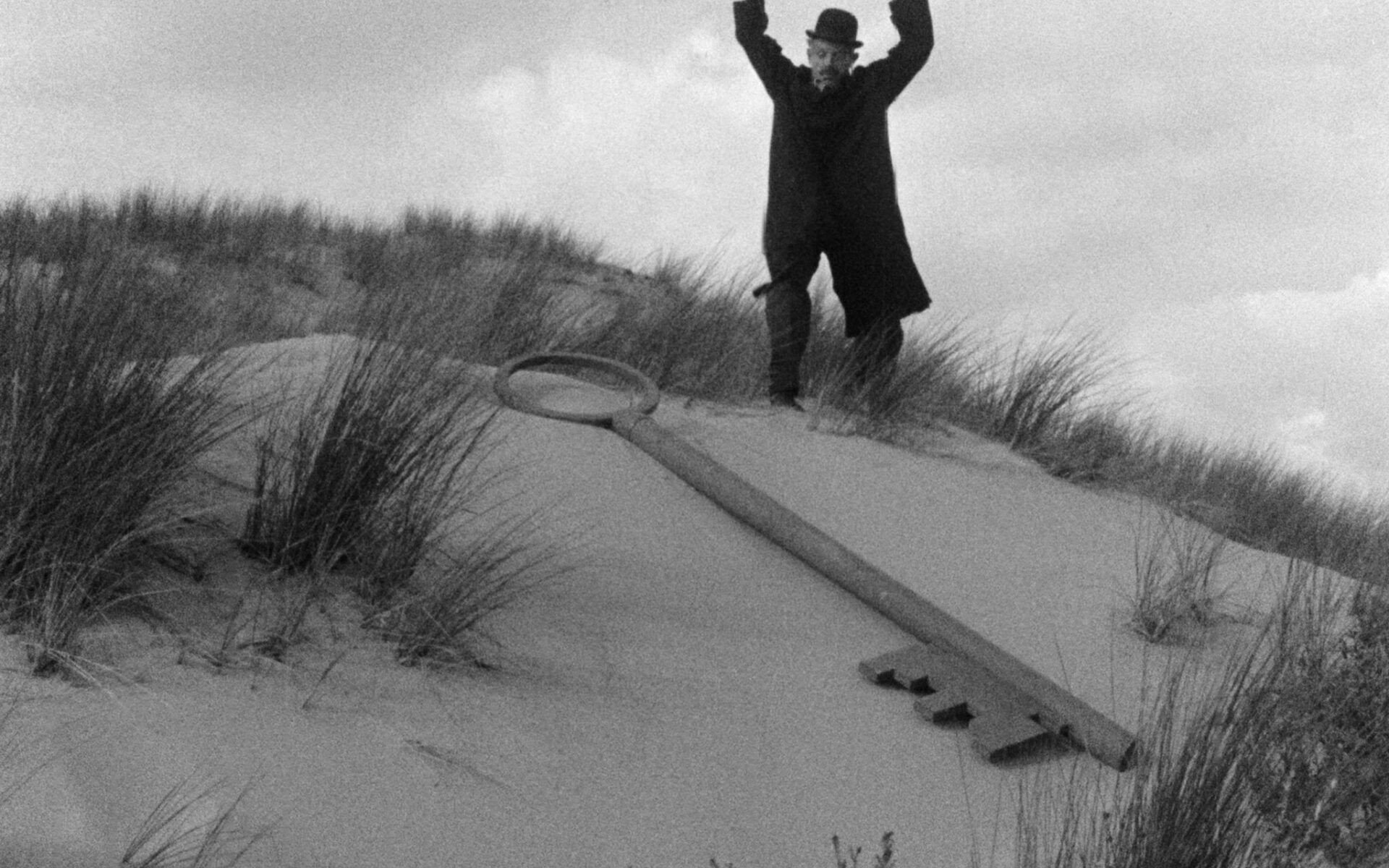
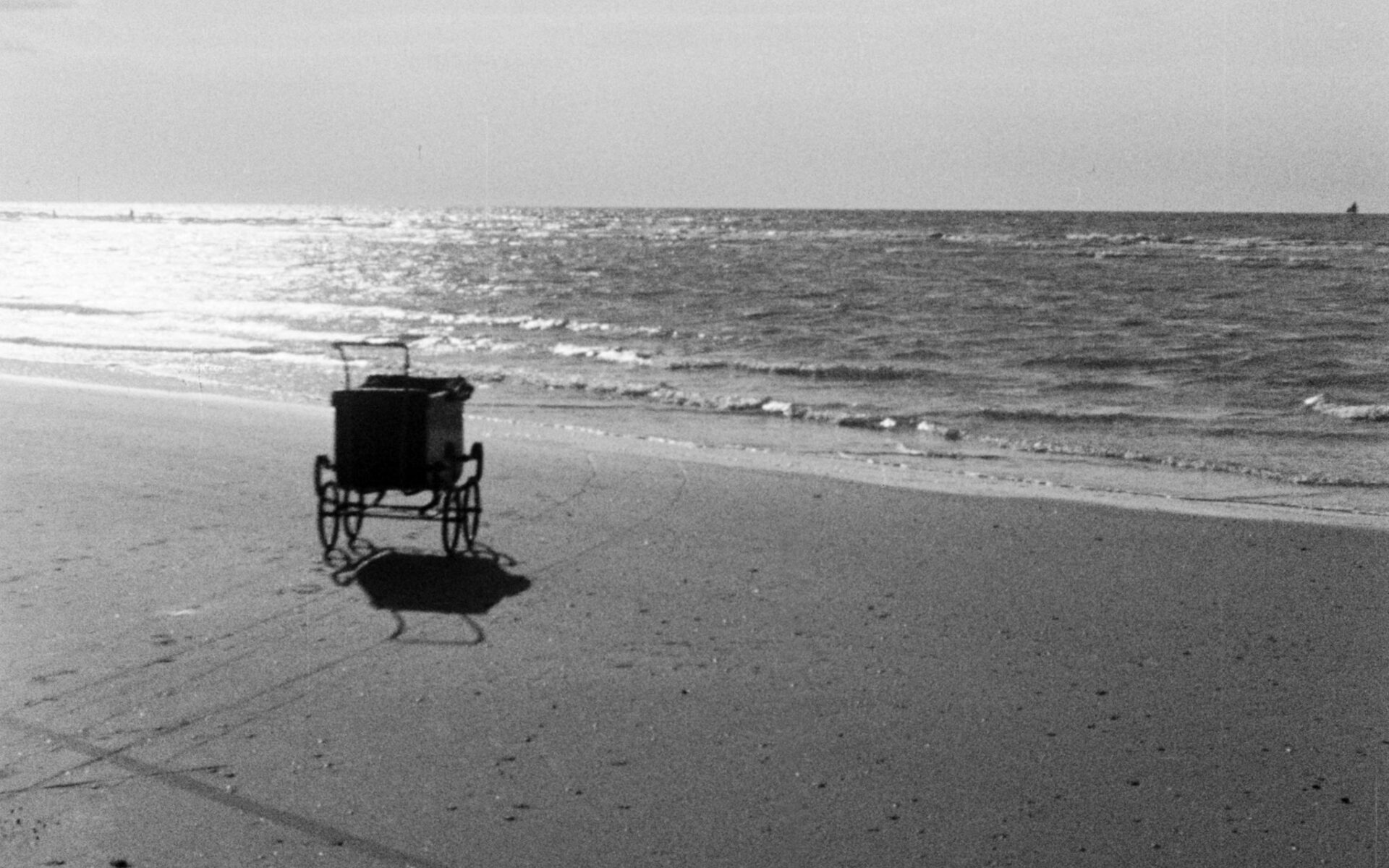
Rich in references to the Surrealist movement, Moerman wove Paul Éluard’s poetry collection Capitale de la douleur (1926), into his film and frequently evoked motifs of renowned surrealist painter René Magritte – notably his bowler hat. Magritte himself appears at the end of the film, seen painting Le Viol (1934)[1]. The Belgian coast, a landscape cherished by Belgian filmmakers and especially by those working within the Surrealist tradition, also plays a prominent role in the short film.
Beyond serving as a tribute to his literary hero, Monsieur Fantômas is a work that aims to be parodic, anti-clerical[2] and completely dreamlike. “Through this recreated world, I sought to establish a form of communication. It is ruled by a supernatural reality in which each object, once made visible, discovers its true illumination. Freed from the layers of habit accumulated over centuries, the surrounding objects are suddenly confronted with this renewed reality. In this vital light, they finally cease to be invisible, allowing their previously unrecognized beauty to be revealed to us.” (Ernst Moerman, Le Rouge et le Noir, 29 September 1937).


[1] RUBIN DE CELIS, S., « One Time Magic : The Film Adventures of Ernst Moerman and Henri d’Ursel”, Experimental Conversations 7, 2011. [Online] www.experimentalconversations.com; SMOLDERS, O., “Cinéma et surréalisme en Belgique », Textyles. Revue des lettres belges de langue française 8, 1991, p. 275.
[2] DAVAY, P., Cinéma de Belgique, Duculot, Gembloux, 1973, p. 115 ; THOMAS, P., Un siècle de cinéma belge, Quorum, Ottignies, 1995, p. 49.
- s.n., « Mijnheer Fantomas », Vooruit, 08 août 1937.
- s.n., « Informations : M. Fantomas », La Nation Belge, 03 septembre 1937.
- s.n., « Echos cinématographiques : Surréalisme », La Gazette (Bruxelles), 08 septembre 1937.
- s.n., « Un film belge surréaliste : Fantomas », Le Soir, 24 septembre 1937.
- MOERMAN, E., « Un film belge : M. Fantomas”, Le Rouge et le Noir, 29 septembre 1937.
- s.n., « Le Cercle du Cinéma », La Cité Nouvelle, 02 octobre 1937.
- TORDEUR, J., « Avec Moerman, toujours l’inattendu arrive : Le Rideau met son Fantômas au théâtre », Le Soir, 28/29 avril 1984.
- CUVELIER, P., “Ciné-Belgique”, Libération, 11 février 1991.
- GROOTAERS, E., « Au service de la poésie. Ernst Moerman 1937 », Sabzian (2018). [Online] www.sabzian.be;
- BORDE, R., « Le film retrouvé : Mr. Fantômas », Midi-Minuit Fantastique, n°24, décembre 1970, pp. 68-69.
- BOLEN, F., « A la Beulemans et à la Fantômas : approche du surréalisme », Ciné-dossiers 11, 1968.
- BOLEN, F., Histoire authentique, anecdotique, folklorique et critique du cinéma belge depuis ses plus lointaines origines, Memo & Codec, Bruxelles, 1978.
- BORDE, R., « Le film retrouvé : Mr Fantômas », Midi-minuit fantastique 24, 1970.
- DAVAY, P., Cinéma de Belgique, Duculot, Gembloux, 1973, pp. 114-115.
- IARIA, D., “Mister Fantômas, film surréaliste”, Textyles. Revue des lettres belges de langue française 10, 1993, pp. 251-258.
- IARA, D., « Moerman, Fantômas e la poesia”, in NOLA, J.-P., GOUSSEAU, J., La communication cinématographique : reflets du livre belge (actes du colloque de Palerme (1er- 4 mars 1989)), Didier, Paris, 1993, pp. 255-285
- MICHELEMS, R., « Monsieur Fantômas », in THYS, M., Belgian Cinema – Le cinéma belge – de Belgische cinema, Ludion – Cinémathèque Royale de Belgique, Gand-Amsterdam – Bruxelles, 1999, p. 175.
- PAÏNI, D., « Monsieur Fantômas », in JUNGBLUT, G., LEBOUTTE, P., PAÏNI, D., Une encyclopédie des cinémas de Belgique, Yellow Now, Paris, 1990, pp. 208-210.
- RUBIN DE CELIS, S., « One Time Magic : The Film Adventures of Ernst Moerman and Henri d’Ursel”, Experimental Conversations 7, 2011.
- SMOLDERS, O., « Cinéma et surréalisme en Belgique », Textyles. Revue des lettres belges de langue française 8, 1991, pp. 269-281.
- THOMAS, P., Un siècle de cinéma belge, Quorum, Ottignies, 1995.
- VAQUERA, C., La Sagesse d’un surréaliste. Dans les pas d’Ernst Moerman, écrivain et cinéaste, F. Deville, Bruxelles, 2022.
Movie Info
- Director :
- Ernst Moerman
- Year :
- 1937
- Country :
- Belgium
- Actors :
- Trudi Van Tonderen, Jean Michel, Jacqueline Arpé, Françoise Bert, Suzon Samuel, Mary, E. Miecret, Lea Dumont, Ginette Samuel, Ernst Moerman
- Film Format :
- B&W
- Duration :
- 20'
- Version :
- ST : NL
- Scenario :
- Ernst Moerman
- Production :
- Films Hagen-Tronje
- Director of Photography :
- E. Van Tonderen
- Musical composition :
- Robert Ledent
- Production designer :
- E. Van Tonderen
- Genre :
- Silent, Short, Experimental
- Original Format :
- 35mm
Restoration Info
- Project :
- NextGenerationEU
- Year of restauration :
- 2024
- Digital Preservation :
- Digital Restoration – 2K
- Info restauration :
- Ernst Moerman’s film Monsieur Fantomas (1937) has been restored in 2024 by the Royal Belgian Film Archive – CINEMATEK with the support of the Fédération Wallonie-Bruxelles. The works have been carried out based on the original 35mm negative kept in the Royal Belgian Film Archive collections, where the film has been digitised in 4K.
The restoration of this film by the Royal Film Archive of Belgium – CINEMATEK was made possible with the help of Belspo – the Belgian Science Policy Office, and the Wallonia-Brussels Federation, funded by the European Union – NextGenerationEU, and thanks to the support of National Lottery players.




See also…
De parel
The Pearl
La Perle
Henri d'Ursel, Belgium 1929
Avant-garde Visions

La Tête froide
Patrick Hella, Belgium 1969
Avant-garde Visions
Le Saigneur est avec nous
Roland Lethem, Belgium 1974
Avant-garde Visions
Beloeil
Belœil
Edmond Bernhard, Belgium 1958
Belgian Heritage On Screen

Ongeduld
Impatience
Charles Dekeukeleire, Belgium 1928
Avant-garde Visions

Waterloo
Edmond Bernhard, Belgium 1957
Belgian Heritage On Screen
