ARTISTS IN FOCUS
Marguerite Duras
Let Cinema Go to Its Ruin. The Cinema of Marguerite Duras
In 1966, Marguerite Duras, already a prolific author of novels, plays, and screenplays, turned to filmmaking and co-directed the first of her nineteen films. In collaboration with Another Gaze, CINEMATEK presents a comprehensive retrospective of her short films, feature films, and television works, along with several pieces she wrote or to which she lent her voice.
At the time of her first feature, La Musica, Duras believed that cinema would offer a distraction from the "terrifying labor" of publishing books. La Musica serves as an "accessible" introduction to Duras's cinematic universe, sharing affinities with the New Wave: a psychological trio that delicately dissects love following a separation, featuring her close friend and muse, Delphine Seyrig. As a filmmaker, Duras felt she had no contemporaries and admired almost no other cinema. One reason she took up directing was to displace the poor interpretations of her writing by others; these adaptations, often too literal and sanitized, lacked the depth of her bestselling novels. Throughout her three-decade film career (1967–1984), Duras frequently adapted her own texts, re-adapting them when they failed to satisfy her, as seen in her most famous film, India Song, which she first wrote as a play before radically reinterpreting it as Son nom de Venise dans Calcutta désert.
Duras advocated for a "cinema of poverty", denouncing commercial productions she considered "completely digested, finished, and fed to a spectator whose intellectual faculties are thus utilized at a maximum of 20%". Her films challenge and complicate the conventional relationship between audio and visual elements: often, what is described never appears on screen, such as in L’Homme atlantique, a film composed of black leader that she filmed on color stock. Most of her films are anti-narrative, as characterization is often deliberately absent and the backgrounds and motivations of her characters are rarely clarified. Elsewhere, images are "recycled"—sequences originally shot for Le Navire Night appear in Césarée and Les Mains négatives.
Much like in her writing, Duras's screenplays abound with linguistic play: sentences are distorted beyond standard syntax, while the repetition of speech and music creates a hypnotic effect. Duras’s cinematic experiments are profoundly sensual, often exploring the most extreme - sometimes taboo, frequently fatal - limits of desire. Some are also intentionally (or unintentionally) very funny, such as Gérard Depardieu’s character in Nathalie Granger. The music, ranging from rumbas to tangos, evokes the tropics where the filmmaker grew up, even though all but one of her films were shot in France, often in her home near Paris or in Trouville. Her unconventional approach to form reflects a complex relationship with representation. Nonetheless, the preoccupations that defined her life frequently drift in and out of the frame: the French colonies, Jewish identity in the wake of the Shoah, the domestic lives of women, the proletariat, and the Communist Party.
This retrospective is presented in collaboration with Another Gaze, a feminist film journal whose project also encompasses a streaming platform (Another Screen) and a publishing house (Another Gaze Editions).
In collaboration with


With the financial support of


Tuesday 21.04 18:00 PLATEAU Cart
Saturday 25.04 20:00 PLATEAU Cart
Thursday 30.04 18:00 PLATEAU Cart
Marguerite Duras : Let Cinema Go to Its Ruin. The Cinema of Marguerite Duras
Sauve qui peut (la vie)
- Jean-Luc Godard, Switzerland, France 1980 ⁄ Isabelle Huppert, Jacques Dutronc ⁄ color ⁄ 89' ⁄ V: FR ⁄ ST - OND: —

Wednesday 22.04 19:00 LEDOUX Cart
Marguerite Duras : Let Cinema Go to Its Ruin. The Cinema of Marguerite Duras
Lectures, introductions, workshops...
Aurélia Steiner
Aurélia Steiner (Melbourne)
- Marguerite Duras, France 1979 ⁄ color ⁄ 28' ⁄ V: FR ⁄ ST - OND: —
Aurélia Steiner (Vancouver)
- Marguerite Duras, France 1979 ⁄ B&W ⁄ 49' ⁄ V: FR ⁄ ST - OND: —
+ GUEST

Thursday 23.04 21:30 LEDOUX Cart
Marguerite Duras : Let Cinema Go to Its Ruin. The Cinema of Marguerite Duras
Marguerite Duras
Littérature et Cinéma : Marguerite Duras
- Patrice Molinard, France 1977 ⁄ color ⁄ 7' ⁄ V: FR ⁄ ST - OND: —
Le Camion
- Marguerite Duras, France 1977 ⁄ Marguerite Duras, Gérard Depardieu ⁄ color ⁄ 79' ⁄ V: FR ⁄ ST - OND: —

Tuesday 28.04 21:00 LEDOUX Cart
Marguerite Duras : Let Cinema Go to Its Ruin. The Cinema of Marguerite Duras
India Song
- Marguerite Duras, France 1975 ⁄ Delphine Seyrig ⁄ color ⁄ 117' ⁄ V: FR ⁄ ST - OND: —

Friday 01.05 21:00 LEDOUX Cart
Marguerite Duras : Let Cinema Go to Its Ruin. The Cinema of Marguerite Duras
Son nom de Venise dans Calcutta désert
- Marguerite Duras, France 1976 ⁄ Nicole Hiss, Sylvie Nuytten ⁄ color ⁄ 117' ⁄ V: FR ⁄ ST - OND: —
Cygne I
- Absis, France 1976 ⁄ Elisabeth Lennard ⁄ color ⁄ 11' ⁄ V: FR ⁄ ST - OND: —
Cygne II
- Absis, France 1976 ⁄ Jean-Baptiste Malartre, Colette Fellous ⁄ color ⁄ 8' ⁄ V: FR ⁄ ST - OND: —

Tuesday 05.05 21:15 LEDOUX Cart
Marguerite Duras : Let Cinema Go to Its Ruin. The Cinema of Marguerite Duras
Les Lieux de Marguerite Duras
- Michelle Porte, France 1976 ⁄ Marguerite Duras ⁄ color ⁄ 103' ⁄ V: FR ⁄ ST - OND: —

Thursday 07.05 19:00 LEDOUX Cart
Marguerite Duras : Let Cinema Go to Its Ruin. The Cinema of Marguerite Duras
Hele dagen in de bomen
Des journées entières dans les arbres
- Marguerite Duras, France 1976 ⁄ Jean-Pierre Aumont, Madeleine Renaud ⁄ color ⁄ 99' ⁄ V: FR ⁄ ST - OND: —
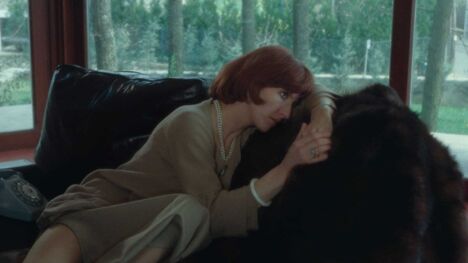
Sunday 10.05 21:30 LEDOUX Cart
Marguerite Duras : Let Cinema Go to Its Ruin. The Cinema of Marguerite Duras
Vera Baxter
Baxter, Vera Baxter
- Marguerite Duras, France 1977 ⁄ Delphine Seyrig, Noëlle Châtelet, Nathalie Nell ⁄ color ⁄ 95' ⁄ V: FR ⁄ ST - OND: —

Monday 11.05 19:00 LEDOUX Cart
Marguerite Duras : Let Cinema Go to Its Ruin. The Cinema of Marguerite Duras
Moderato cantabile
- Peter Brook, France, Italy 1960 ⁄ Jean-Paul Belmondo, Pascale de Boysson ⁄ B&W ⁄ 93' ⁄ ST - OND: NL

Thursday 14.05 19:00 LEDOUX Cart
Marguerite Duras : Let Cinema Go to Its Ruin. The Cinema of Marguerite Duras
Le Navire Night
- Marguerite Duras, France 1979 ⁄ Dominique Sanda ⁄ color ⁄ 93' ⁄ V: FR ⁄ ST - OND: —

Sunday 17.05 21:00 LEDOUX Cart
Marguerite Duras : Let Cinema Go to Its Ruin. The Cinema of Marguerite Duras
Césarée
- Marguerite Duras, France 1978 ⁄ color ⁄ 10' ⁄ V: FR ⁄ ST - OND: —
Le Dialogue de Rome
Il dialogo di Roma
- Marguerite Duras, Italy 1982 ⁄ Anna Nogara, Paolo Graziosi ⁄ color ⁄ 64' ⁄ V: FR ⁄ ST - OND: —

Wednesday 20.05 19:00 LEDOUX Cart
Marguerite Duras : Let Cinema Go to Its Ruin. The Cinema of Marguerite Duras
Agatha et les Lectures illimitées
- Marguerite Duras, France 1981 ⁄ Yann Andréa, Marguerite Duras ⁄ color ⁄ 85' ⁄ ST - OND: EN

Saturday 23.05 20:00 LEDOUX Cart
Lectures, introductions, workshops...
Marguerite Duras : Let Cinema Go to Its Ruin. The Cinema of Marguerite Duras
La Fadeur sublime
- Violaine de Villers, Belgium 1983 ⁄ color ⁄ 30' ⁄ V: FR ⁄ ST - OND: —
Les Enfants
- Marguerite Duras, Jean Mascolo, Jean Marc Turine, France 1985 ⁄ Axel Bogousslavsky, Daniel Gélin, Tatiana Moukhine ⁄ color ⁄ 84' ⁄ V: FR ⁄ ST - OND: —
En rachâchant
- Jean-Marie Straub, Danièle Huillet, France 1982 ⁄ Olivier Straub, Nadette Thinus, Raymond Gérard ⁄ B&W ⁄ 7' ⁄ V: FR ⁄ ST - OND: —
+ GUEST

Saturday 04.04 19:00 LEDOUX Cart
Lectures, introductions, workshops...
Marguerite Duras : Let Cinema Go to Its Ruin. The Cinema of Marguerite Duras
Comédie
- Marin Karmitz, Jean Ravel, Jean-Marie Serreau, France 1965 ⁄ Eléonore Hirt, Delphine Seyrig ⁄ B&W ⁄ 20' ⁄ V: FR ⁄ ST - OND: —
La Musica
- Marguerite Duras, Paul Seban, France 1967 ⁄ Delphine Seyrig, Robert Hossein, Julie Dassin ⁄ B&W ⁄ 84' ⁄ ST - OND: NL
+ GUEST

Monday 06.04 21:00 LEDOUX Cart
Marguerite Duras : Let Cinema Go to Its Ruin. The Cinema of Marguerite Duras
Detruire, dit-elle
- Marguerite Duras, France 1969 ⁄ Henri Garcin, Catherine Sellers ⁄ B&W ⁄ 97' ⁄ V: FR ⁄ ST - OND: —
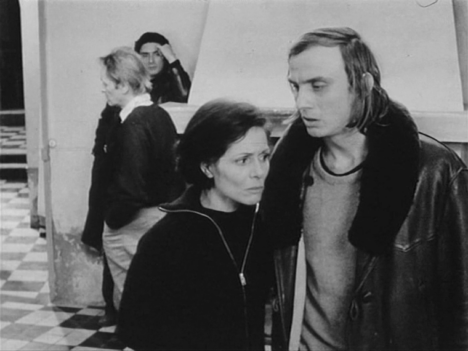
Wednesday 08.04 19:00 LEDOUX Cart
Marguerite Duras : Let Cinema Go to Its Ruin. The Cinema of Marguerite Duras
Jaune le soleil
- Marguerite Duras, France 1971 ⁄ Catherine Sellers, Sami Frey ⁄ B&W ⁄ 99' ⁄ V: FR ⁄ ST - OND: —
Restored version (DCP).

Thursday 09.04 20:00 PLATEAU Cart
Sunday 12.04 18:00 PLATEAU Cart
Wednesday 15.04 18:00 PLATEAU Cart
Marguerite Duras : Let Cinema Go to Its Ruin. The Cinema of Marguerite Duras
Les Rideaux blancs
- Georges Franju, France 1965 ⁄ Hélène Dieudonné, Michel Robert, Elisabeth Alhoff ⁄ 27' ⁄ V: FR ⁄ ST - OND: —
Une aussi longue absence
- Henri Colpi, France, Italy 1961 ⁄ Alida Valli, Gérard Jarlot, Charles Blavette ⁄ B&W ⁄ 98' ⁄ V: FR ⁄ ST - OND: —
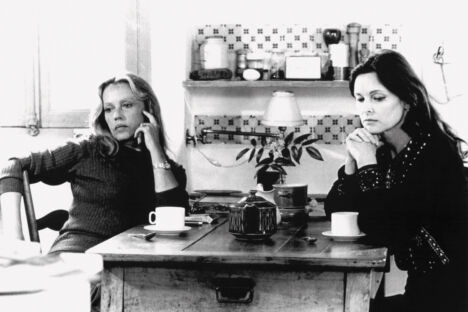
Saturday 11.04 21:00 LEDOUX Cart
Marguerite Duras : Let Cinema Go to Its Ruin. The Cinema of Marguerite Duras
Nathalie Granger
- Marguerite Duras, France 1972 ⁄ Lucia Bosè, Gérard Depardieu ⁄ B&W ⁄ 82' ⁄ V: FR ⁄ ST - OND: —
Gaumont Palace
- François Barat, France 1976 ⁄ Marguerite Duras ⁄ color ⁄ 10' ⁄ V: FR ⁄ ST - OND: —

Monday 13.04 19:00 LEDOUX Cart
Marguerite Duras : Let Cinema Go to Its Ruin. The Cinema of Marguerite Duras
Les Mains négatives
- Marguerite Duras, France 1978 ⁄ Marguerite Duras ⁄ color ⁄ 14' ⁄ V: FR ⁄ ST - OND: —
L’Homme atlantique
- Marguerite Duras, France 1981 ⁄ Yann Andréa, Marguerite Duras ⁄ color ⁄ 39' ⁄ V: FR ⁄ ST - OND: —

Friday 17.04 21:30 LEDOUX Cart
Marguerite Duras : Let Cinema Go to Its Ruin. The Cinema of Marguerite Duras
La Femme du Gange
- Marguerite Duras, France 1974 ⁄ Catherine Sellers, Christian Baltauss, Gérard Depardieu ⁄ color ⁄ 91' ⁄ V: FR ⁄ ST - OND: —
Nuit noire, Calcutta
- Marin Karmitz, France 1964 ⁄ Maurice Garrel, Natasha Parry, Nicole Hiss ⁄ B&W ⁄ 26' ⁄ V: FR ⁄ ST - OND: —

Sunday 19.04 18:00 LEDOUX Cart
Marguerite Duras : Let Cinema Go to Its Ruin. The Cinema of Marguerite Duras
Mademoiselle
- Tony Richardson, UK, France 1966 ⁄ Ettore Mani, Umberto Orsini ⁄ B&W ⁄ 102' ⁄ ST - OND: NL - FR