Images of an Animated Nation - Avant-garde Visions
Collection Raoul Servais
Raoul Servais, Belgium 1960-2001
Animation, Short, Experimental
“I would not have become who I am without my obstinacy in wanting to create imaginary characters, to put my dreams or nightmares into images...”[1] – Raoul Servais
- Director :
- Raoul Servais
- Year :
- 1960-2001
- Country :
- Belgium
- Film Format :
- color
Raoul Servais (Ostend 1928 - 2023 Leffinge) is a pioneer of Belgian animation and one of the leading figures of animation worldwide.
Passionate from an early age about drawing, art and cinema, Servais begins his studies at the Royal Academy of Fine Arts in Ghent (now KASK) and becomes interested in animation, an art form that is then virtually non-existent in Belgium. In 1960 he makes his first film, Havenlichten, marked by the imprint of his hometown and by an artisanal and independent practice.
In 1961, at the very beginning of his career, Raoul Servais wrote in a letter:
“Some claim that I am a painter, others that I am a graphic artist and others that I am a film-maker. I am all three, one flows into the other... but if I want to tell a story, I find it necessary to work with the fourth dimension, time. The art of film can give me this dimension (...) This way I can reach and move a much larger audience. My aim is to move as many people as possible…” [2]
From 1966 to 1978 he makes 7 short films, among them Chromophobia (1966), Sirène (1968), Goldframe (1969) and Operation X-70 (1971), which enjoy critical recognition and festival success — all his films are awarded prizes at every prestigious festival including Venice and Cannes, where he receives the Palme d’Or for Harpya in 1979.
His antifascist political convictions, his horror of conflict and oppression, his aspirations for peace and justice run through all his films, which are equally imbued with the magical realism so dear to Belgian cinema: “If Servais always returns to the same themes of freedom and love, he also displays, over the years, an incredible gift for approaching each film in a different style and graphic language. Each work is at the same time a constant search, an experimentation.”[3]
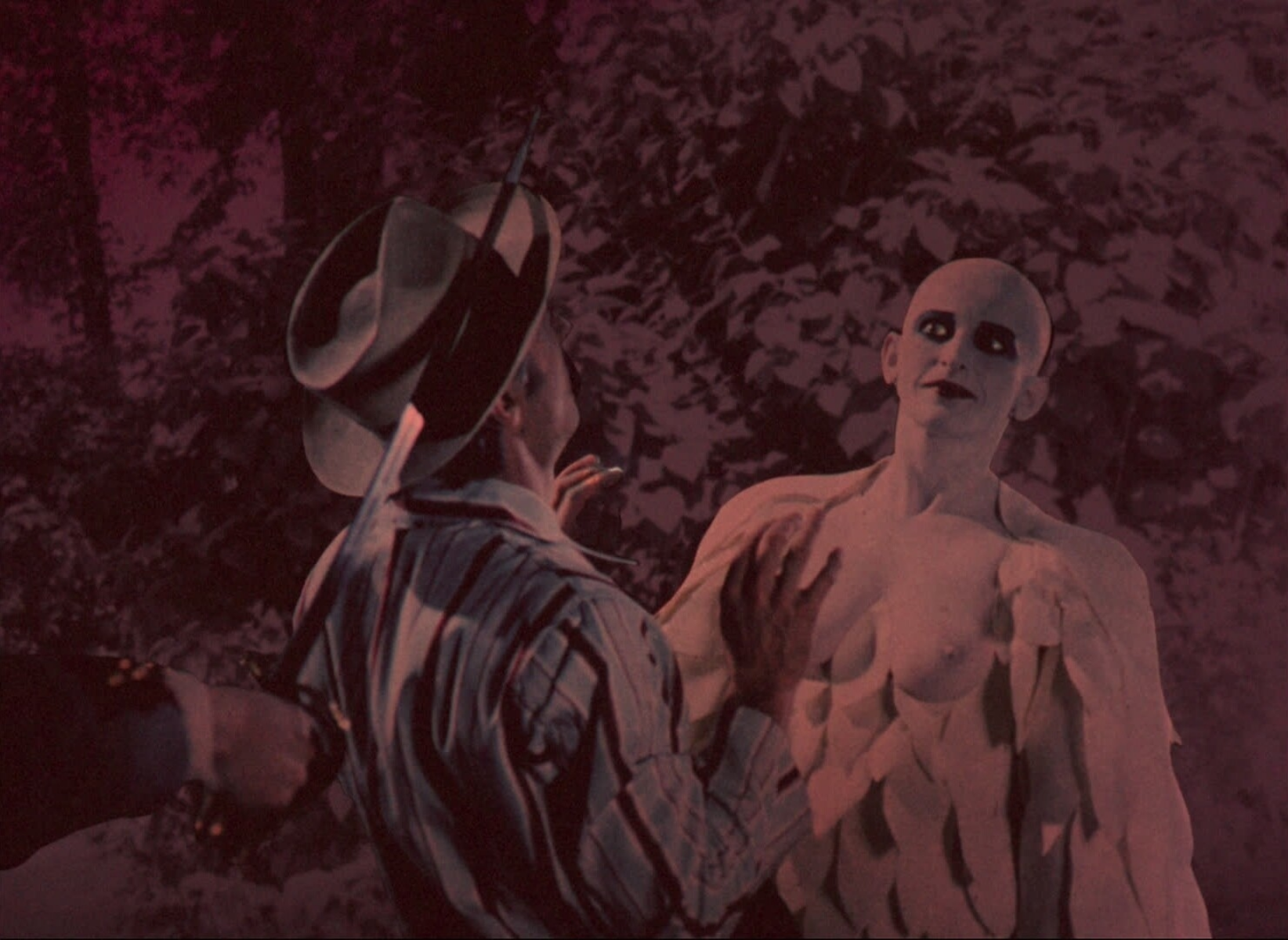
He also develops Servaisgraphie, a process consisting of a special effects system that allows the compositing of actors filmed in live action into graphically created sets, which he uses for Taxandria, his first feature film made in 1994, moving to this format “because the screenplay I had written could not be satisfied by the length of a short film. The feature film was an artistic necessity. I already knew at the time I was making it that I would afterwards return to the short film.”[4] Servais makes only partial use of his new process for this film, but goes on to make the short that follows, Papillons de nuit (1997), which is shot entirely in this way.
At the Academy of Fine Arts in Ghent he founds one of the very first departments dedicated to animation film in Europe, becoming a key figure in the training of new generations of animation filmmakers.
Havenlichten
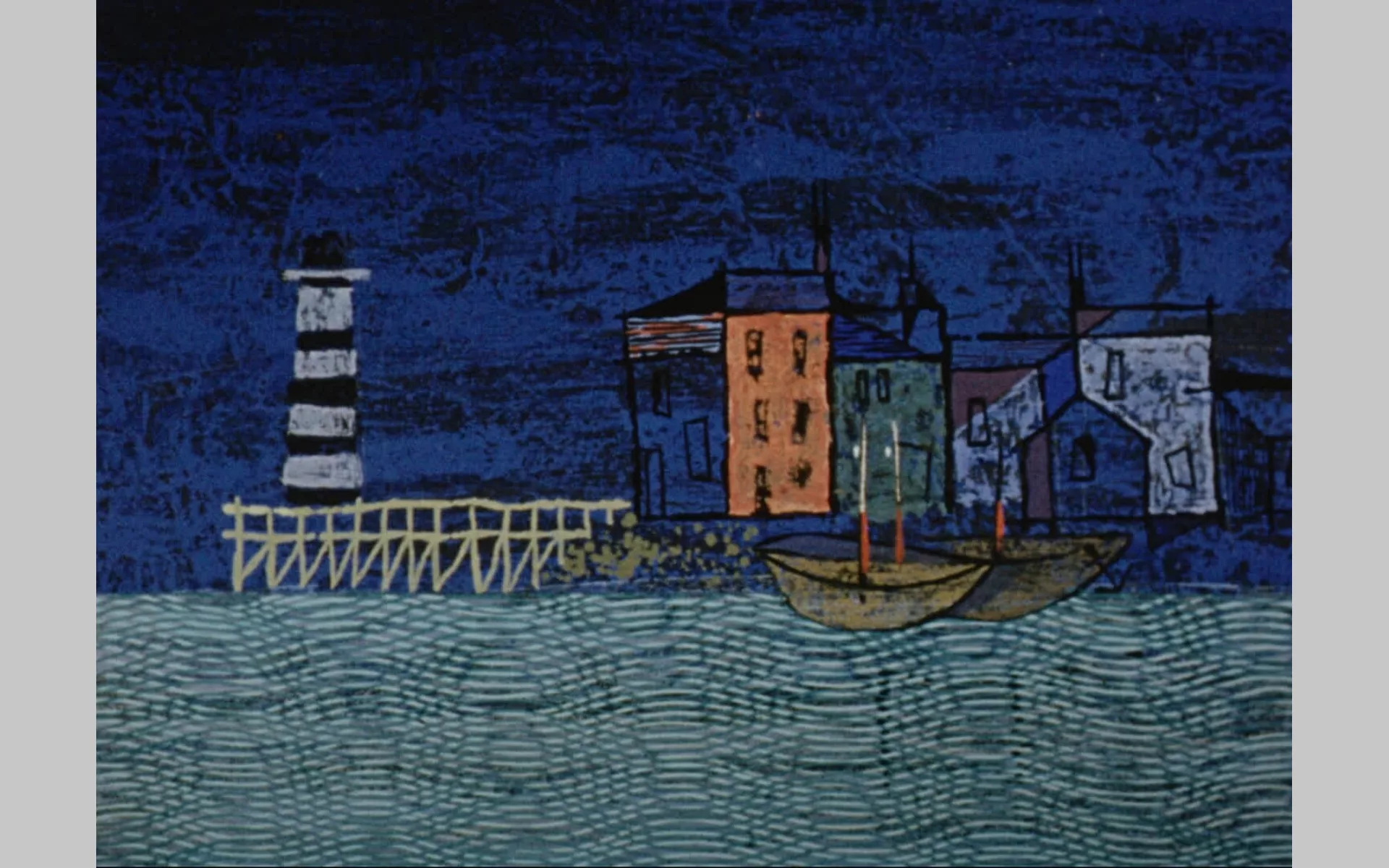
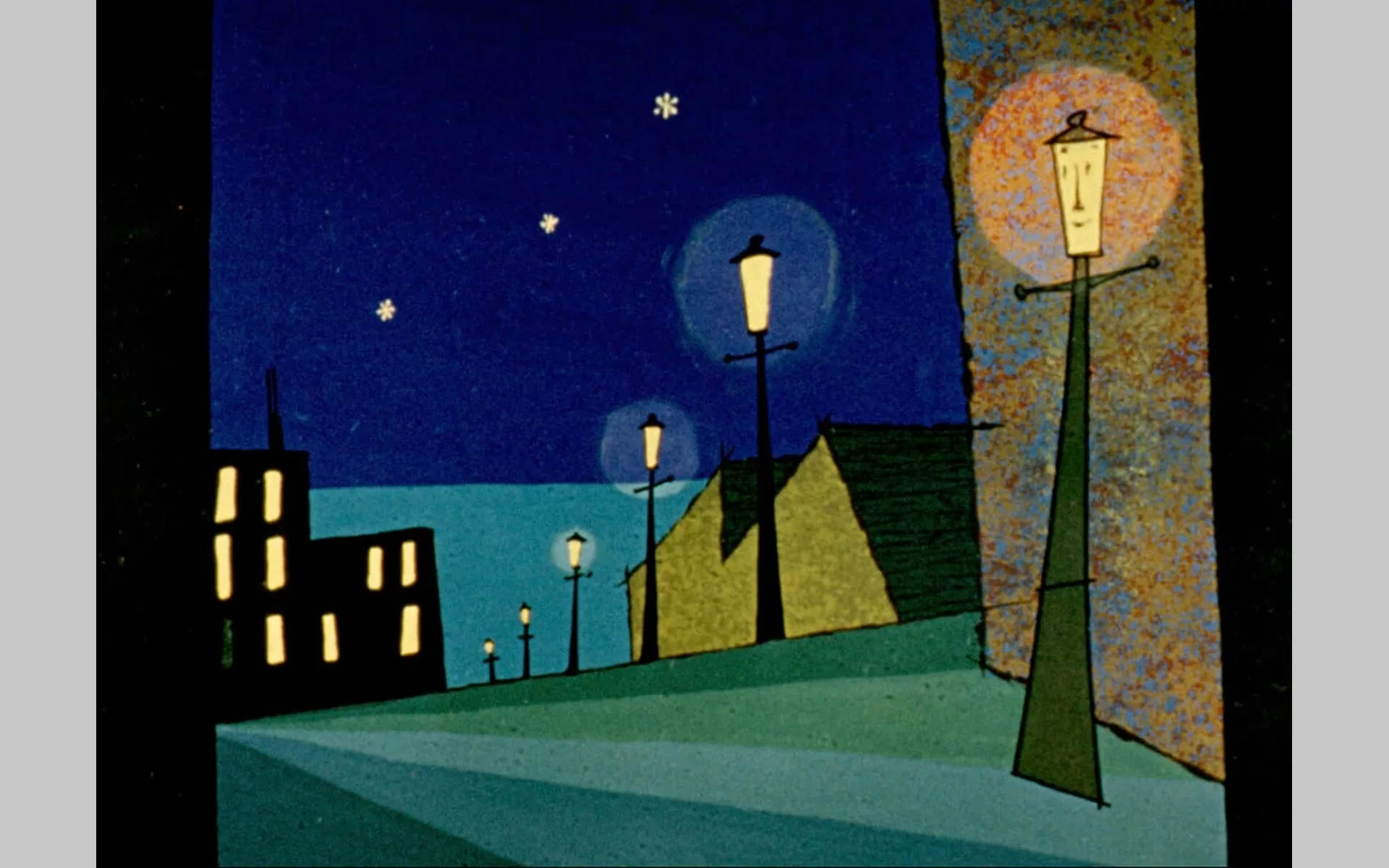
Harbour Lights
Havenlichten
Raoul Servais, Belgium 1960 / Color / 10’09’’ / V: MUSIC
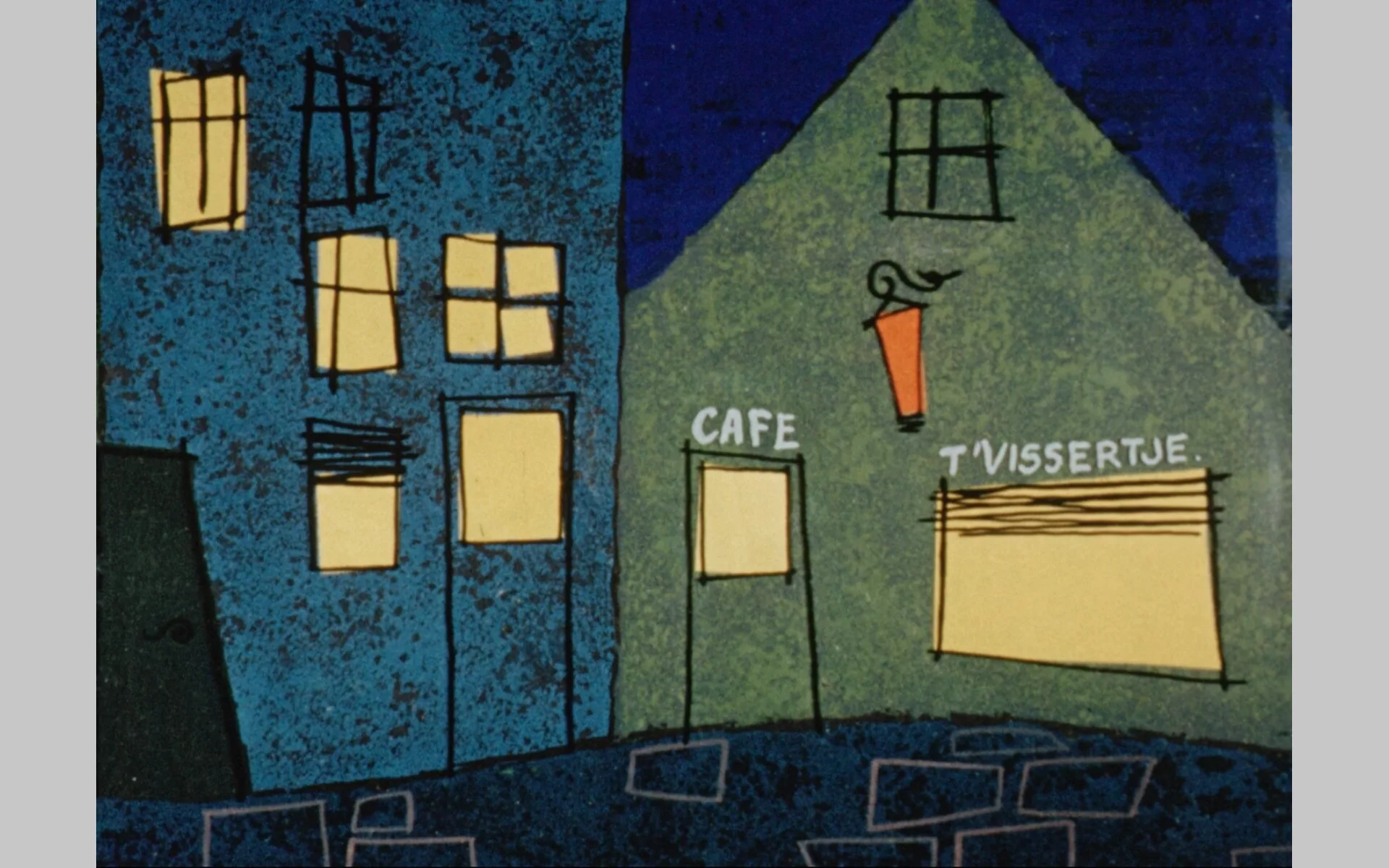
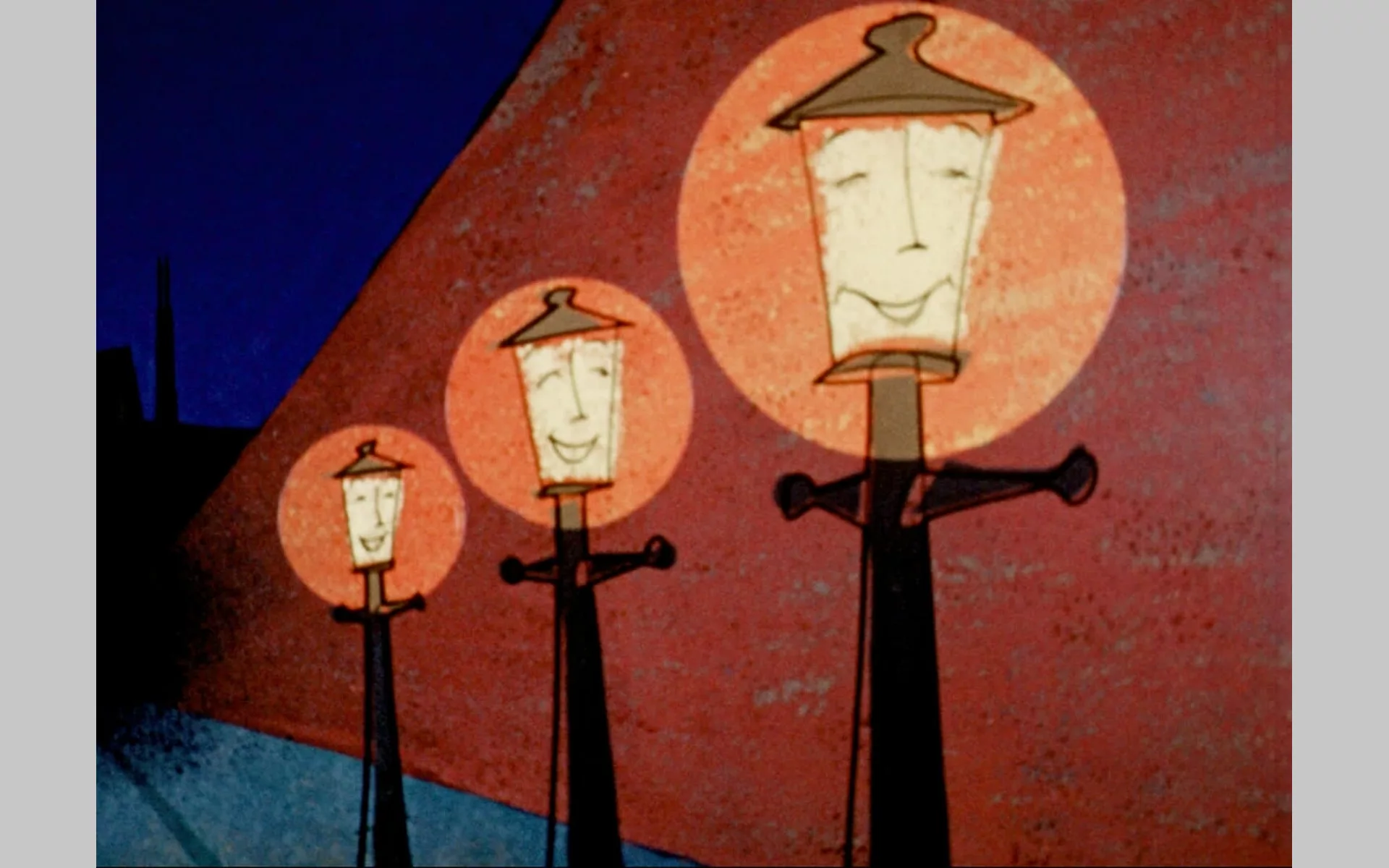
In a coastal village a faulty street lantern lands on the rubbish yard. During a storm a fishermen’s boat is in trouble. The big lighthouse has fallen asleep, but the street lantern saves the boat.
“My first real film Harbour Lights had poor sound and even clumsy animation, but also some good points: a decent script and a simple but strong and appealing graphic design.”
Screenwriter: Raoul Servais
Animation: Raoul Servais
Musical composition: Luc Van Branteghem
Production: Absolon Films - Anagram
Sound Design: Jean De Cock
Original film format: 16 mm
Omleiding november
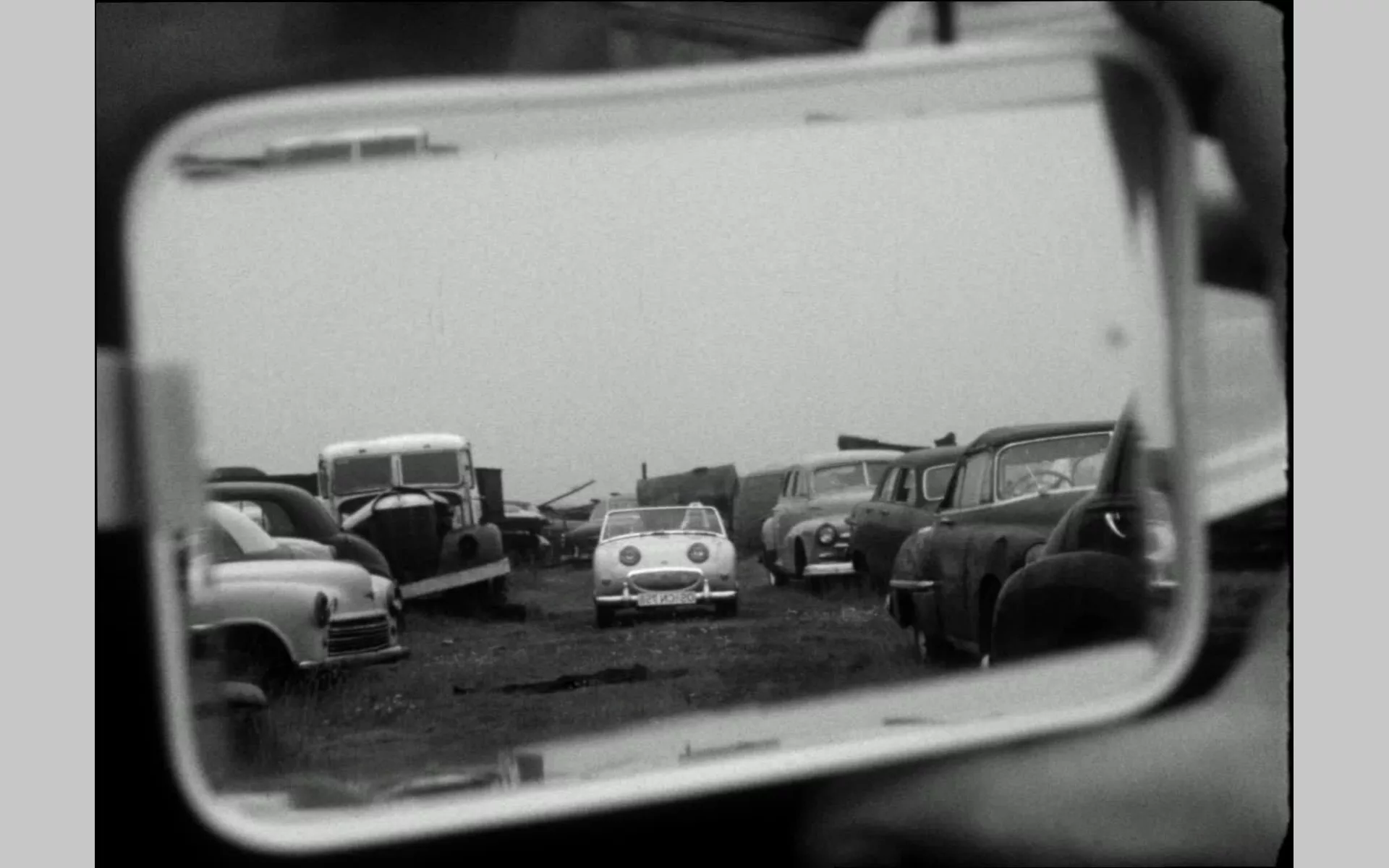
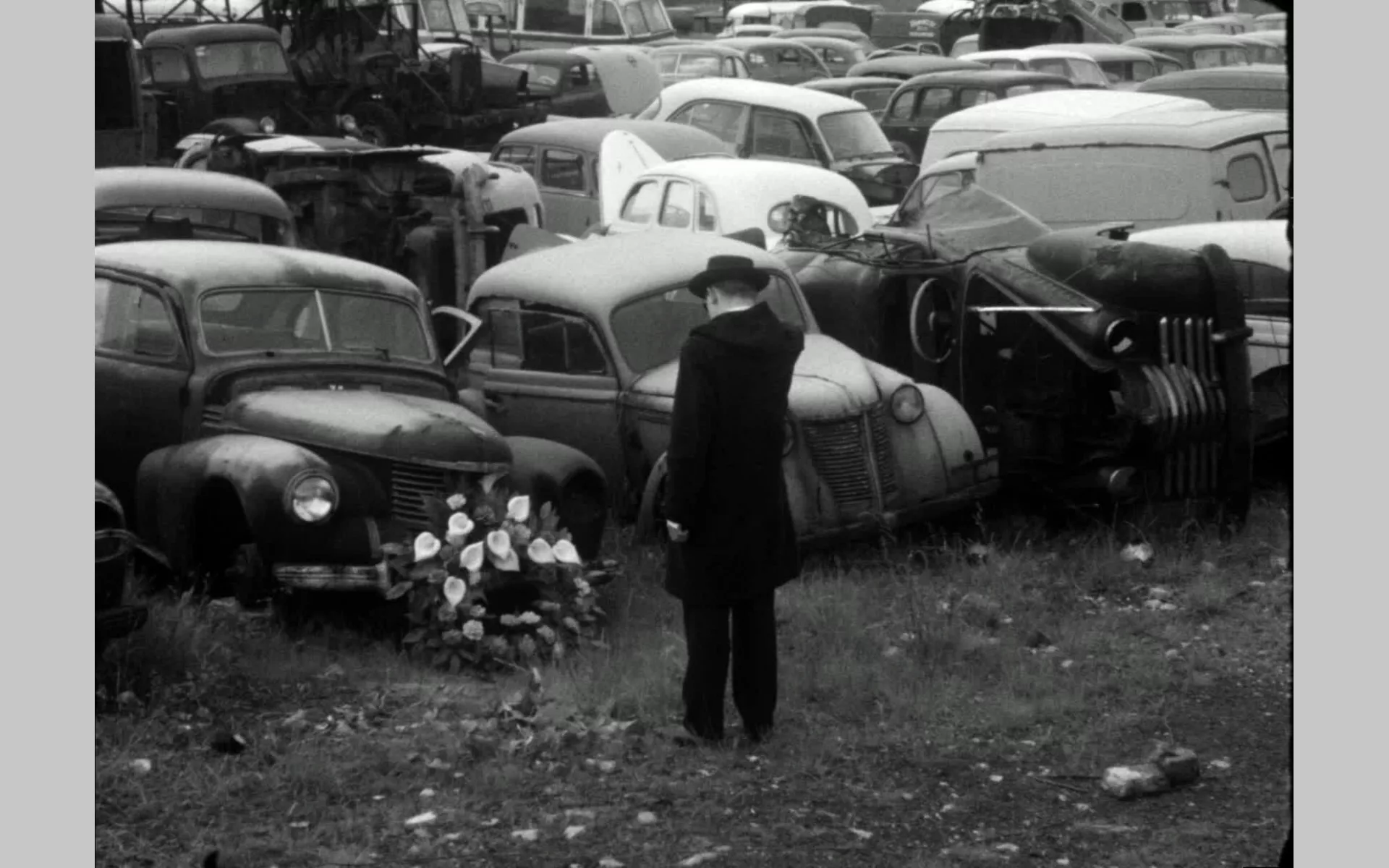
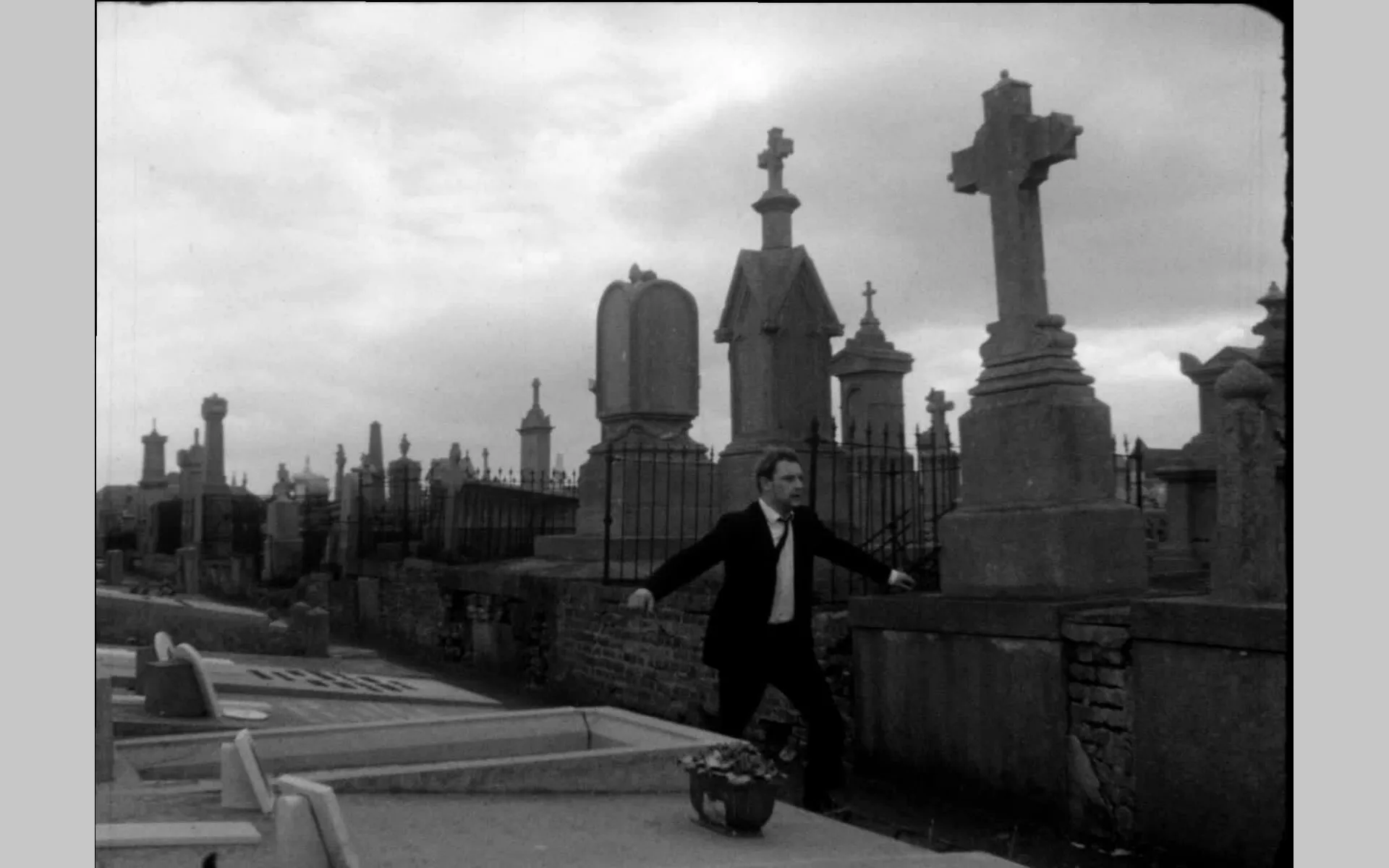
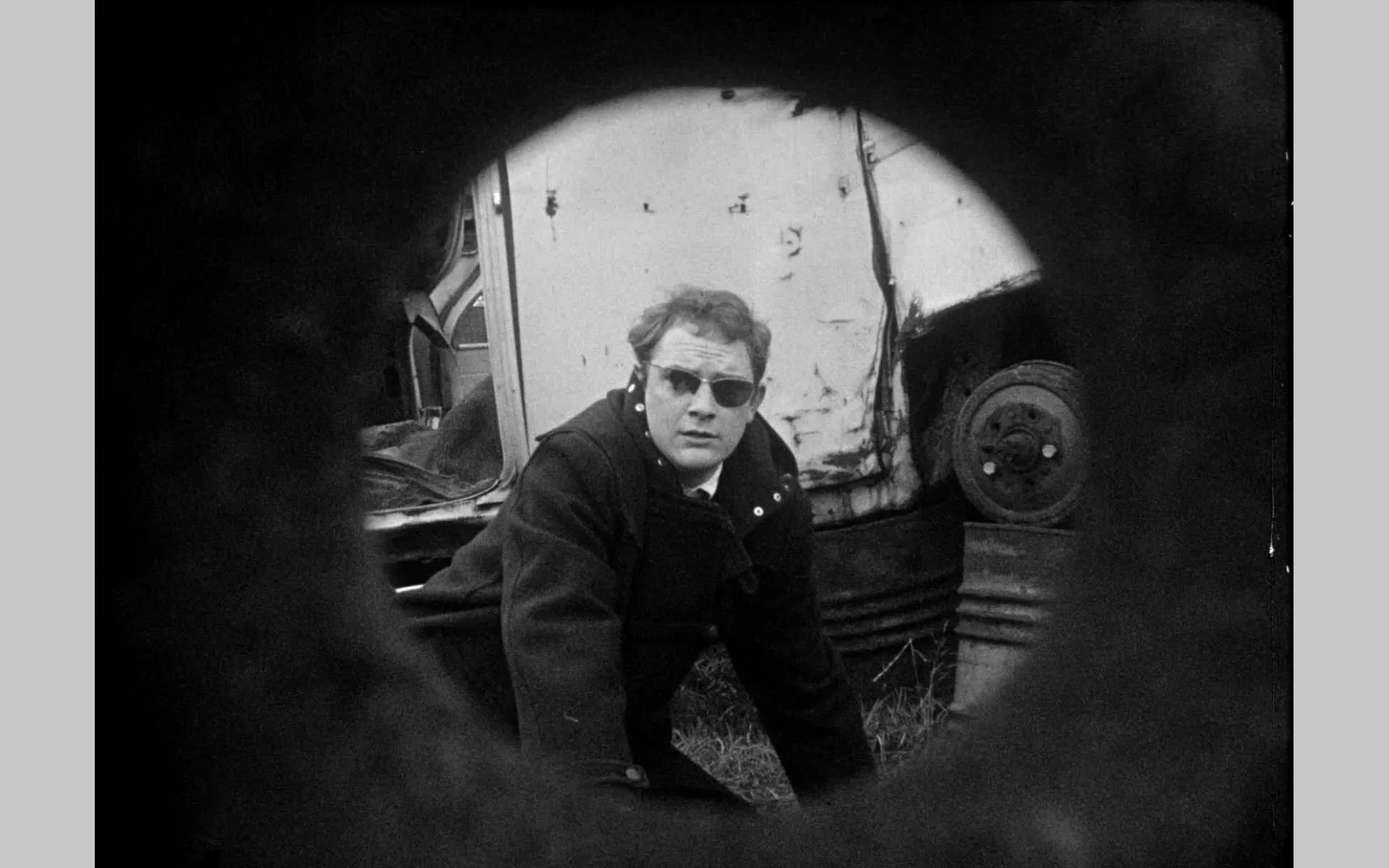
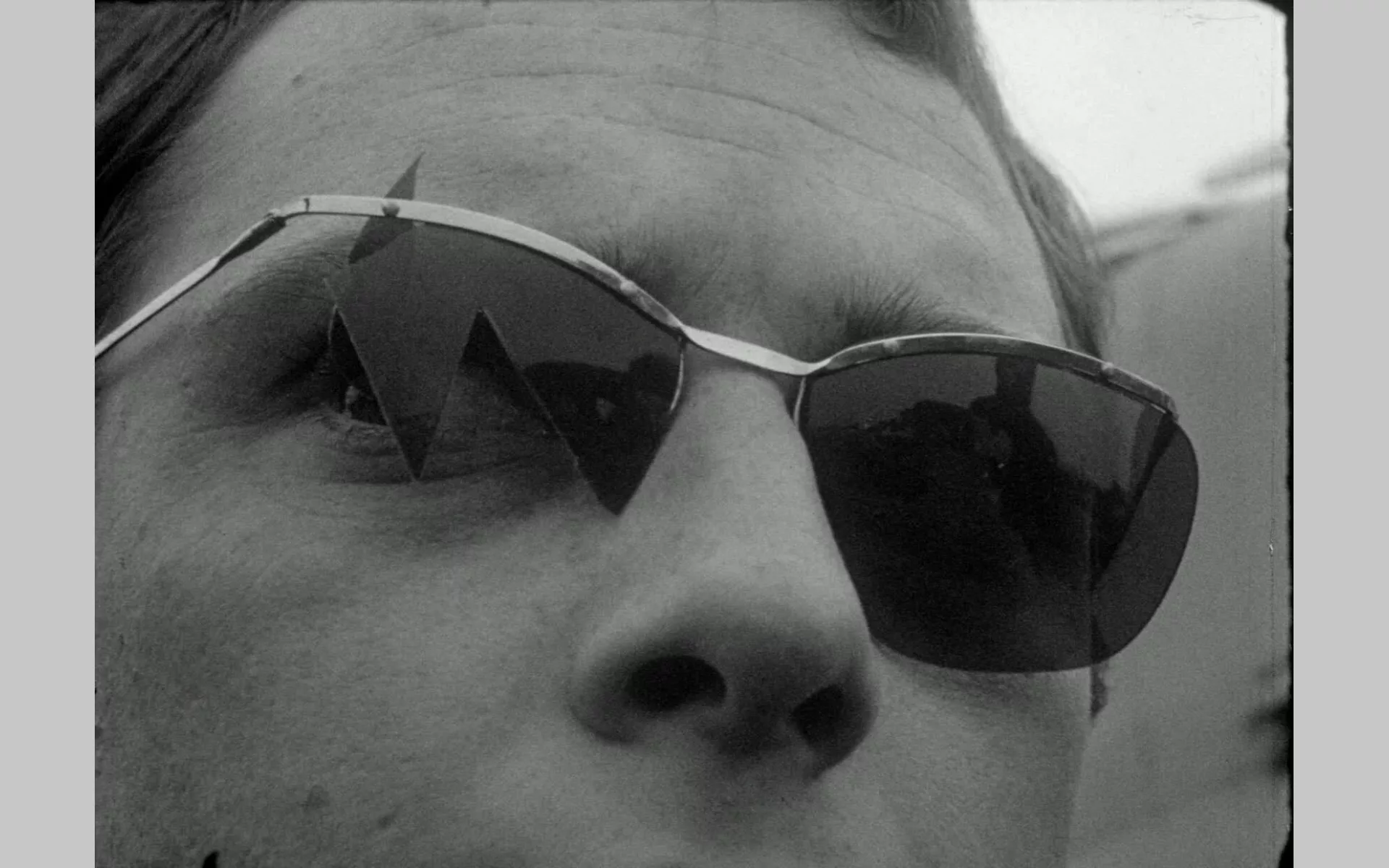
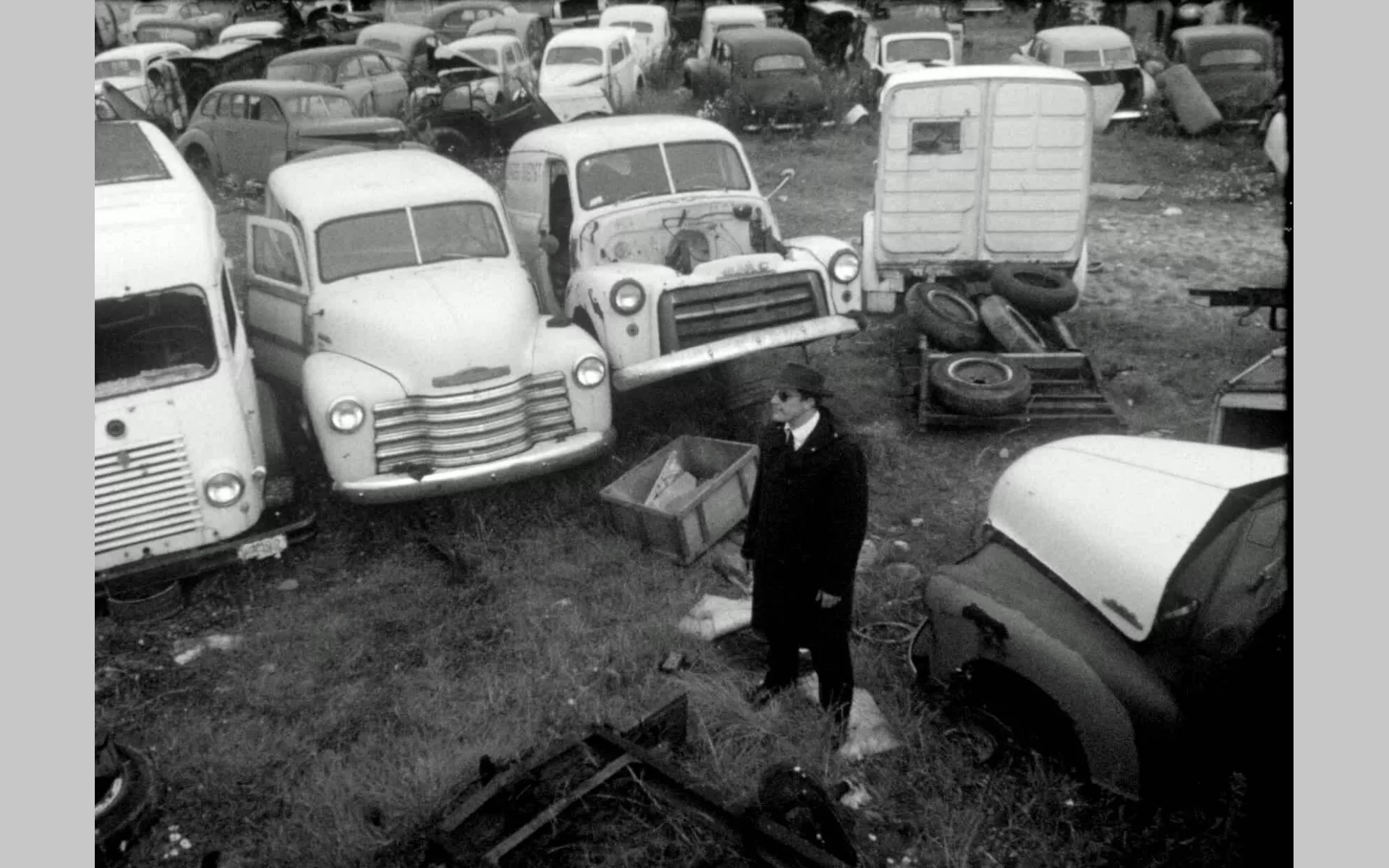
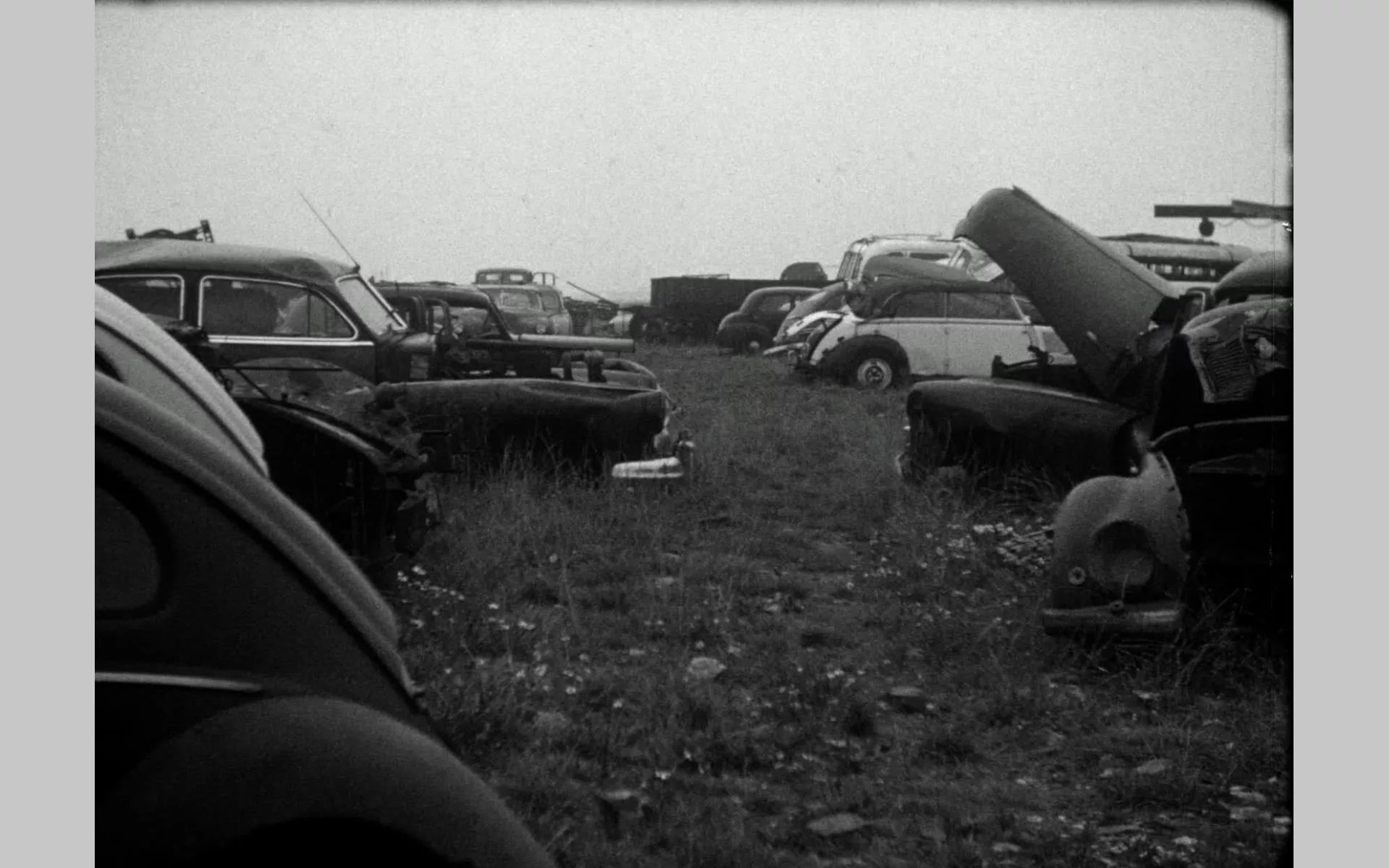
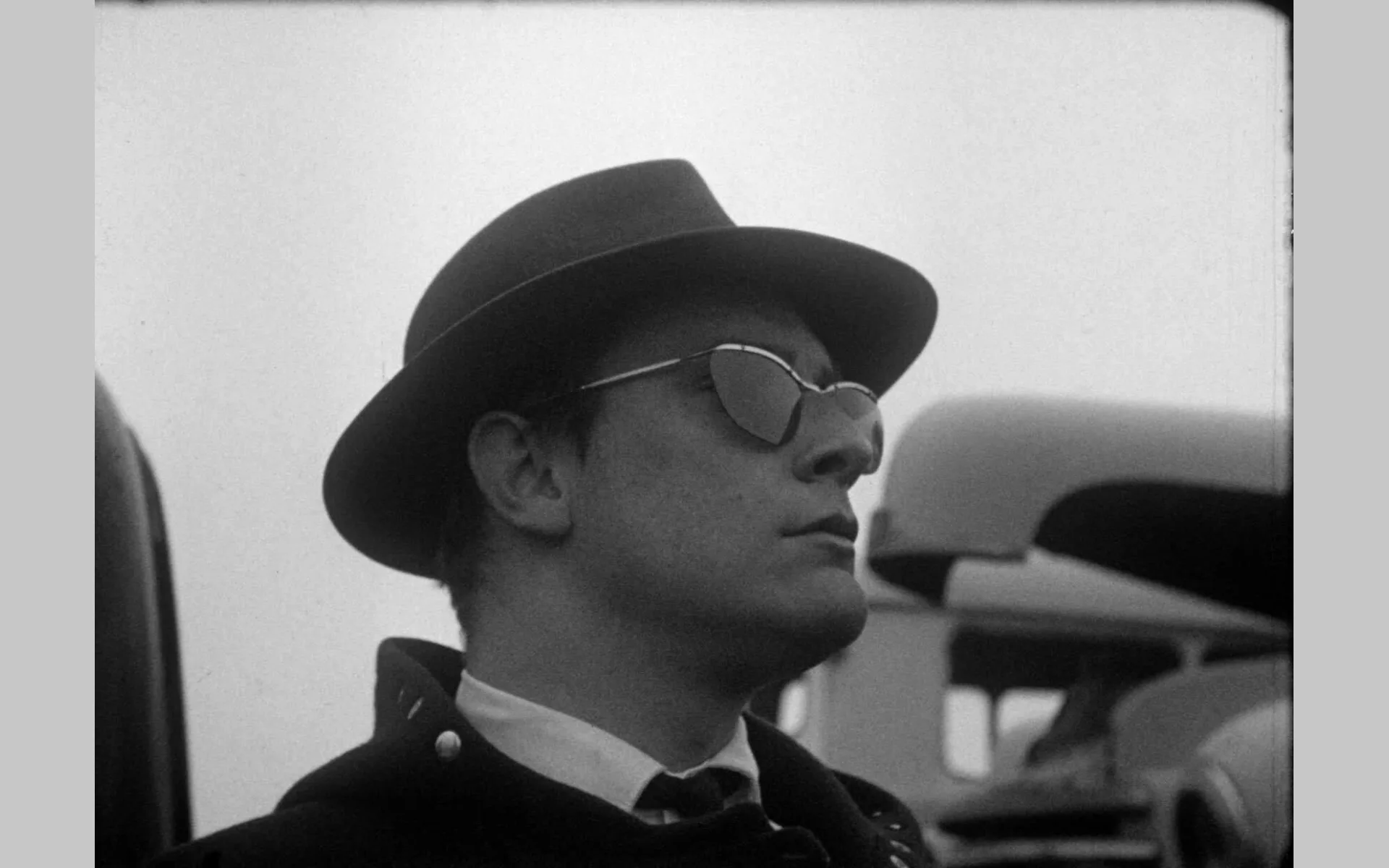
November Diversion
Omleiding november
Raoul Servais, Jean Decock, Belgium 1962, BW / 13’ / V: MUSIC
On a November day a man deposits a flower garland for his old car at the junkyard. But the place appears to be a labyrinth in which he gets lost.
“It was pleasant to do because we could watch the result of our work very rapidly.”
Screenwriter: Raoul Servais
Cast: Werner Edebau, Sabine, Joëlle
Musical composition: Paul Van Gysegem
Original film format: 16 mm
De valse noot
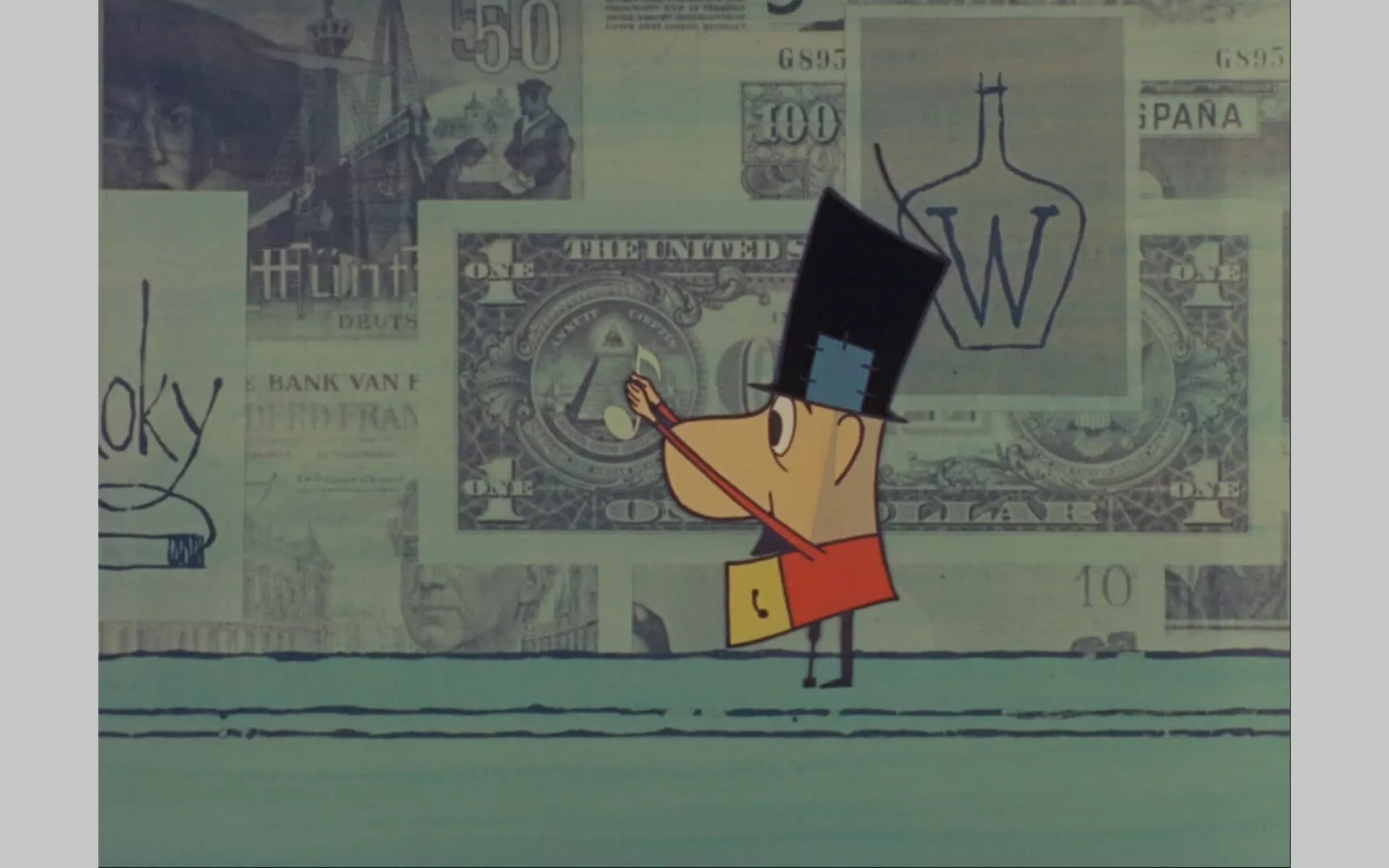
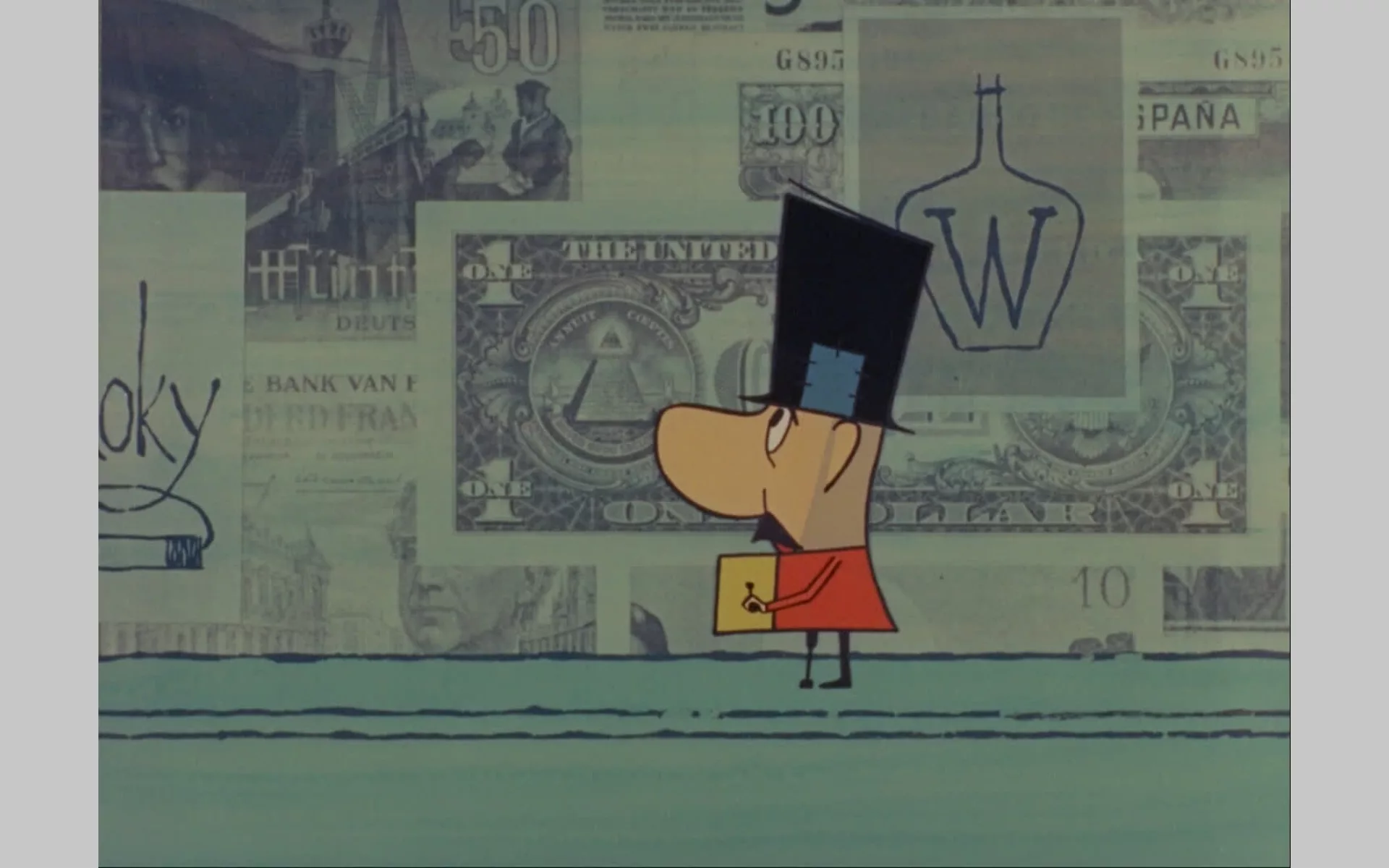
The False Note
De valse noot
Raoul Servais, Belgium 1963 / Color / 10’ / V: NL – MUSIC & V: FR – MUSIC
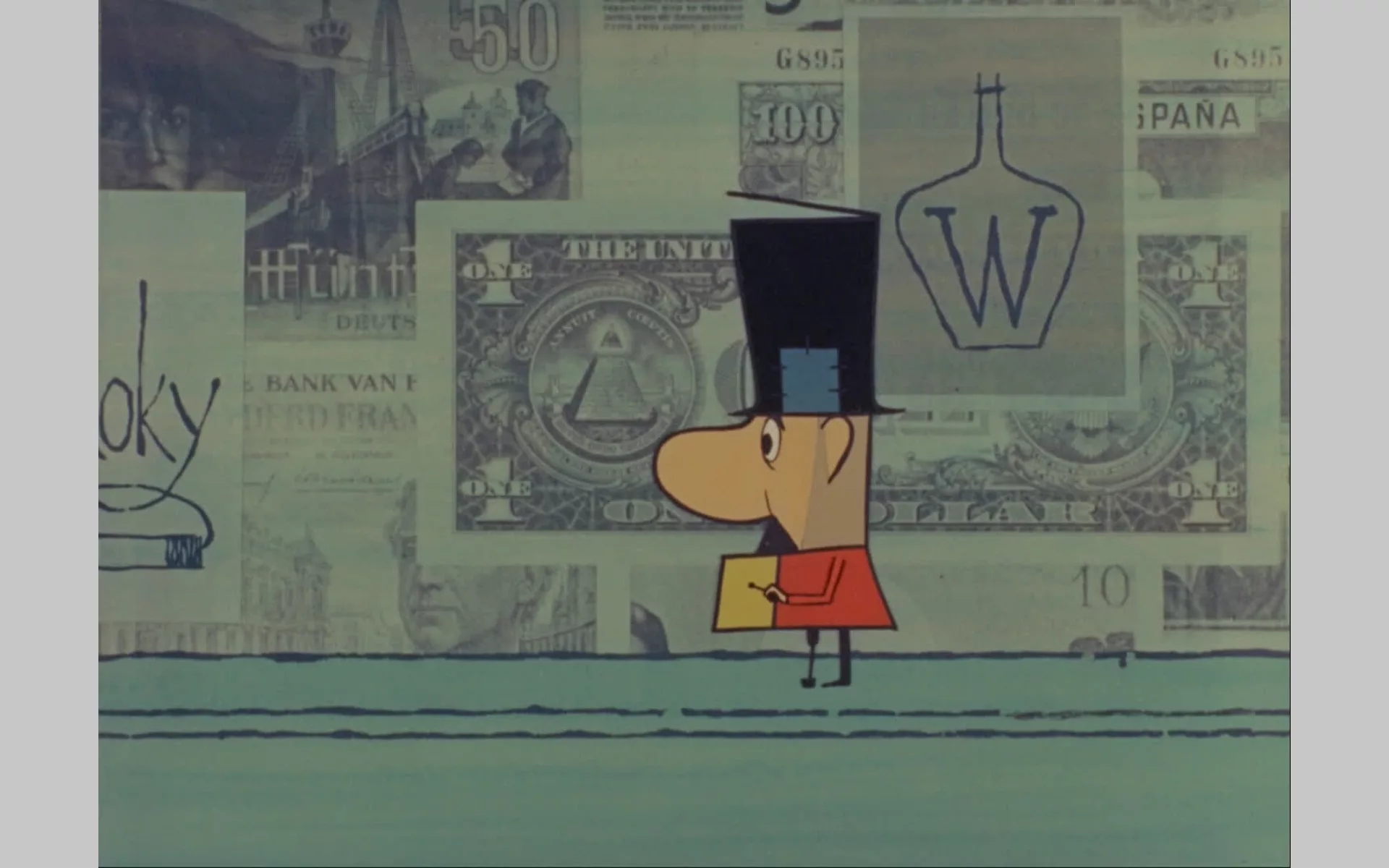
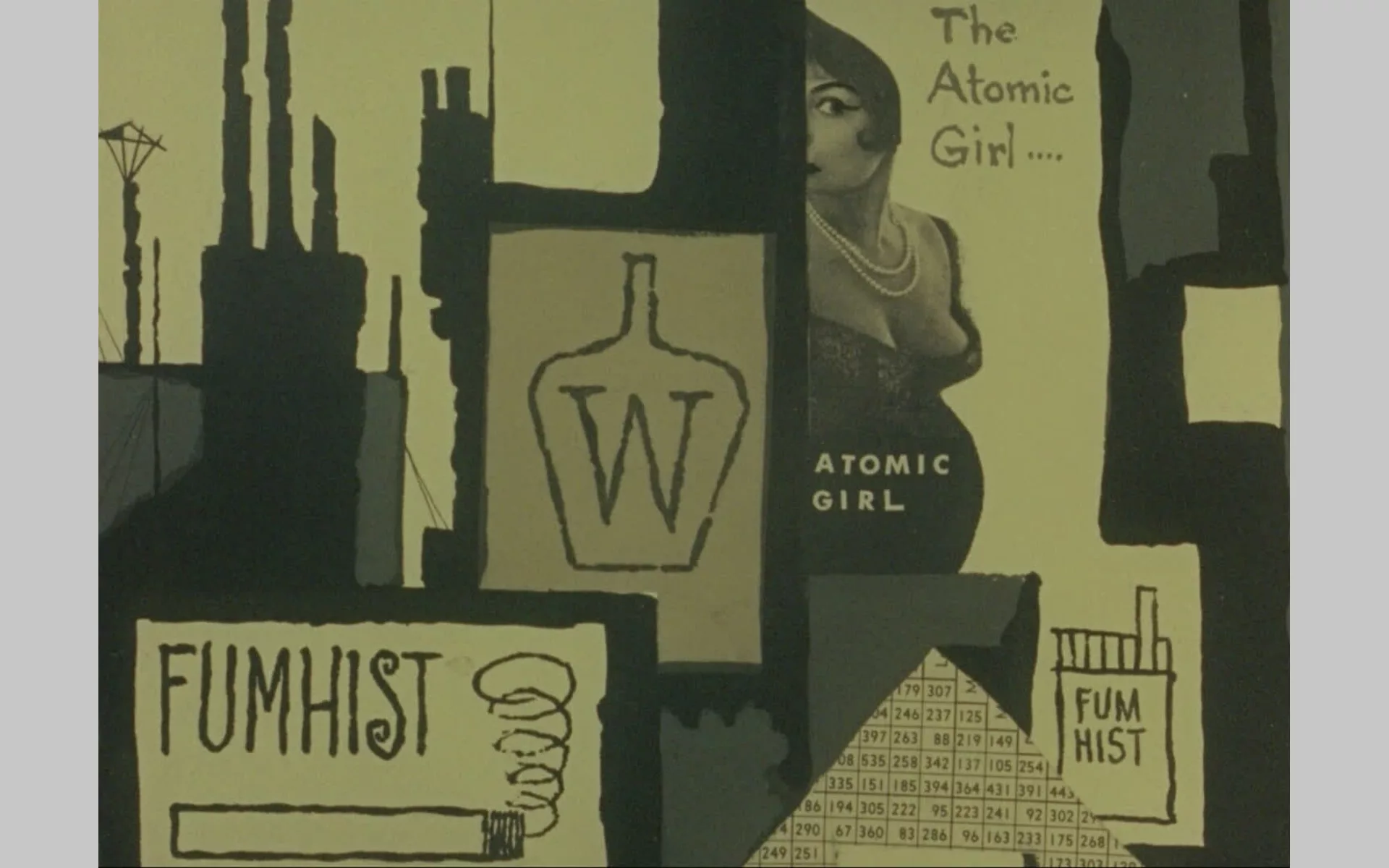
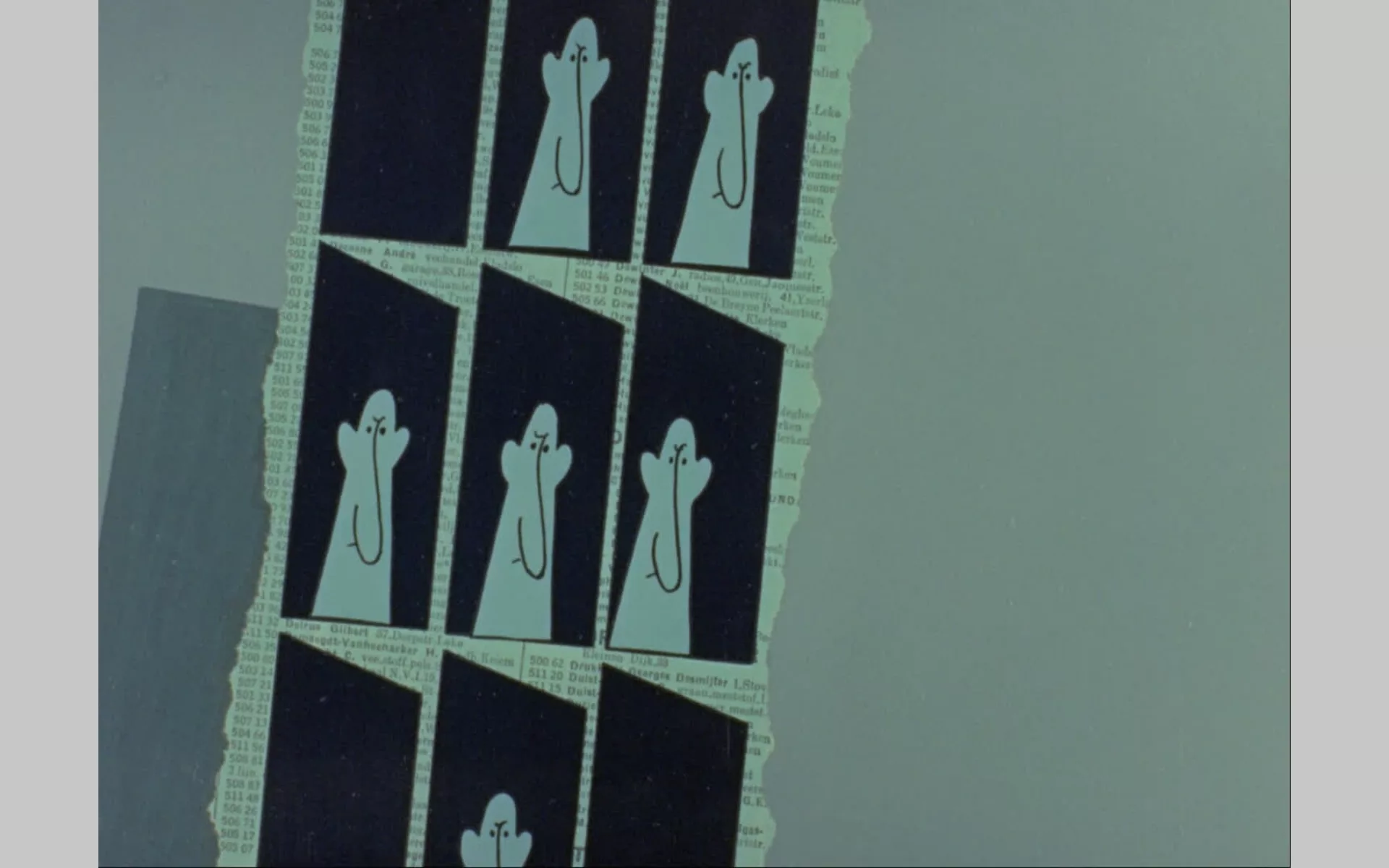
A little beggar tries in vain to get an alms in a big city where everything is organised, efficient and lucrative. His barrel organ’s tune always ends with an impressive false note, upsetting the townspeople. Eventually the little beggar will receive a dream fulfilling gift.
“The False Note had the same characteristics as my previous animated film, but now with better animation, sound and editing.”
Screenwriter: Raoul Servais
Animation: Raoul Servais
Cast: Werner Edebau, Sabine, Joëlle
Production: Absolon Films / Anagram
Musical composition: Luc Van Branteghem
Original film format: 35 mm
Chromophobia
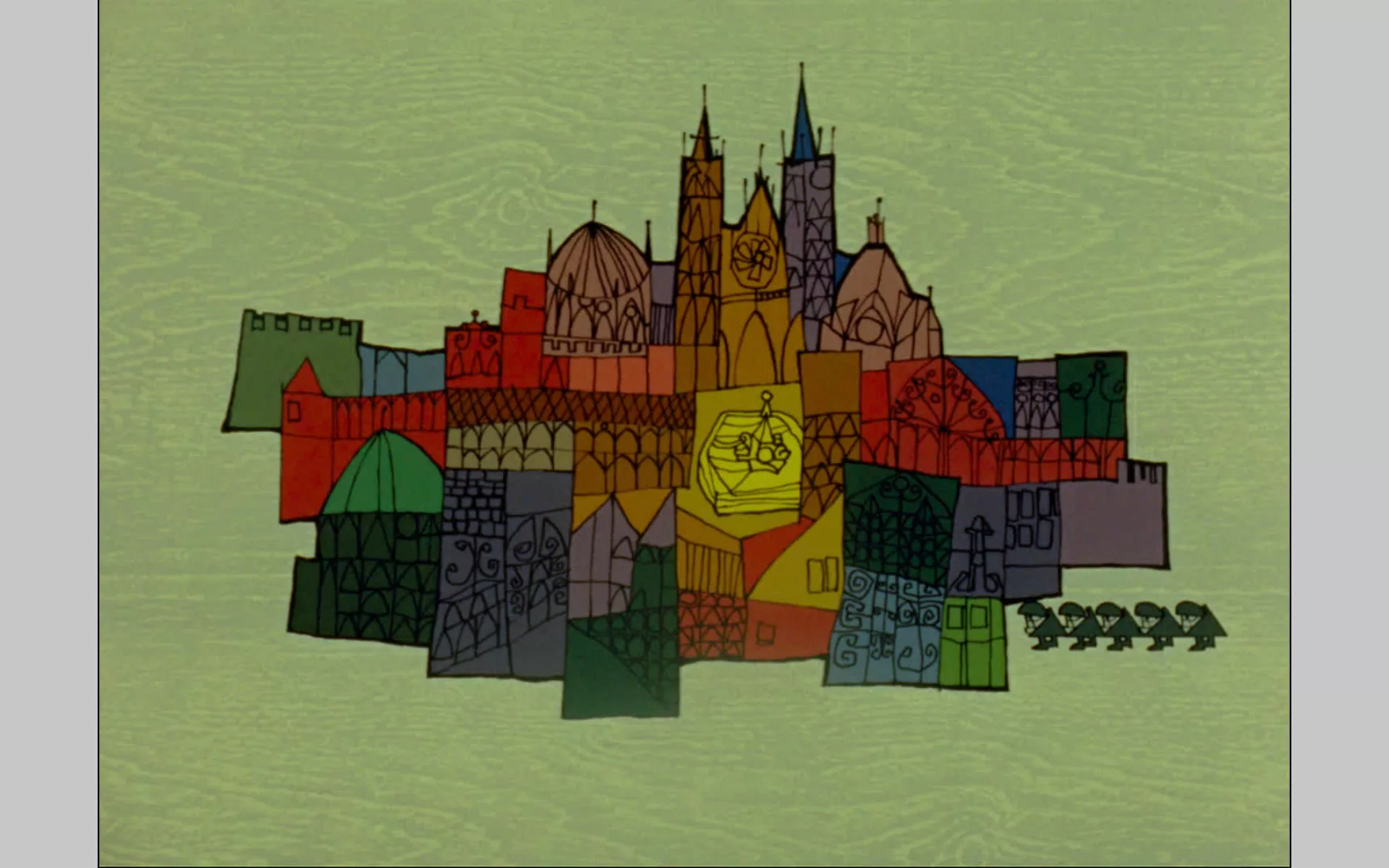
Chromophobia
Raoul Servais, Belgium 1965 / Color / 10’ / V: NO-DIALOGUE
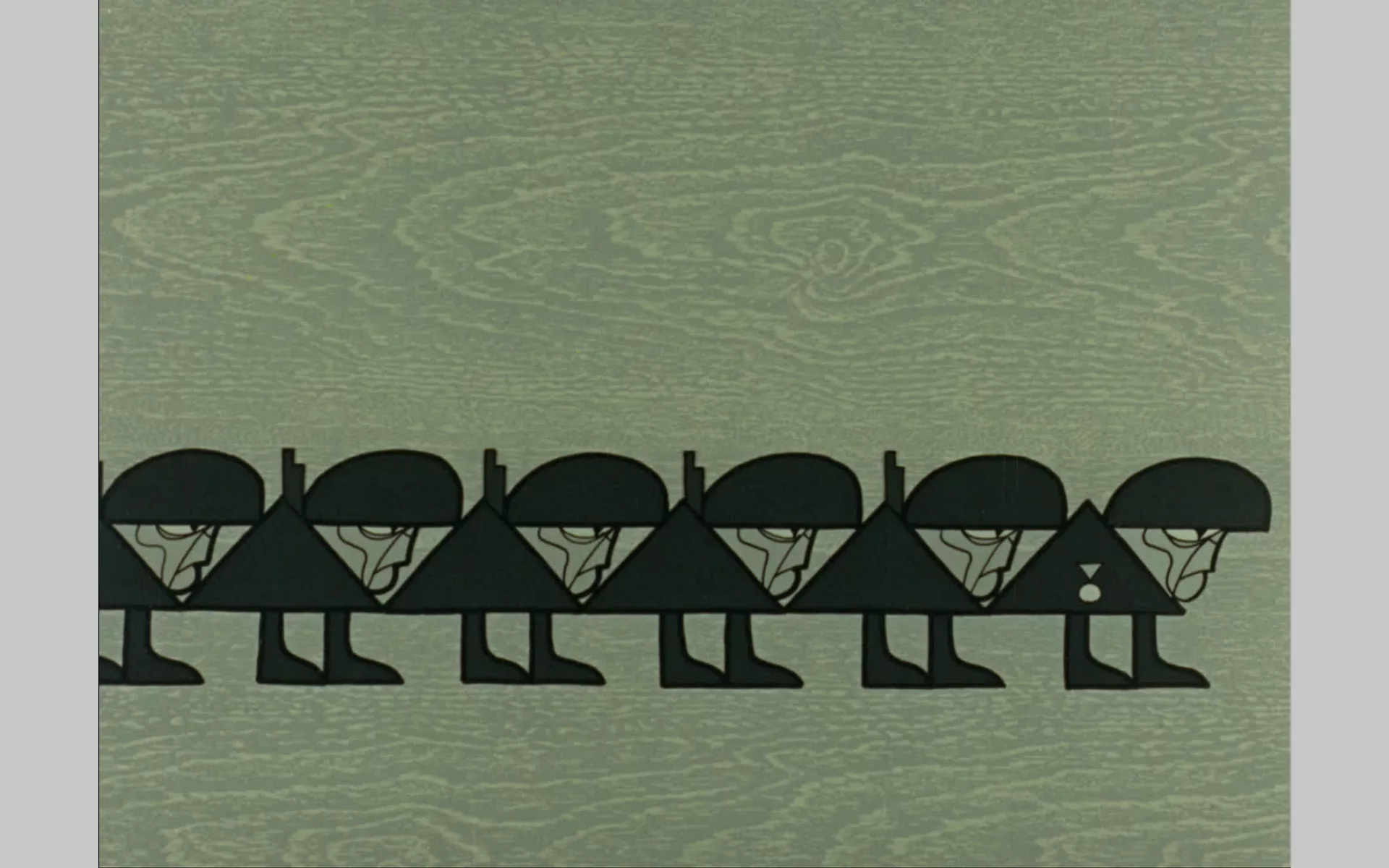
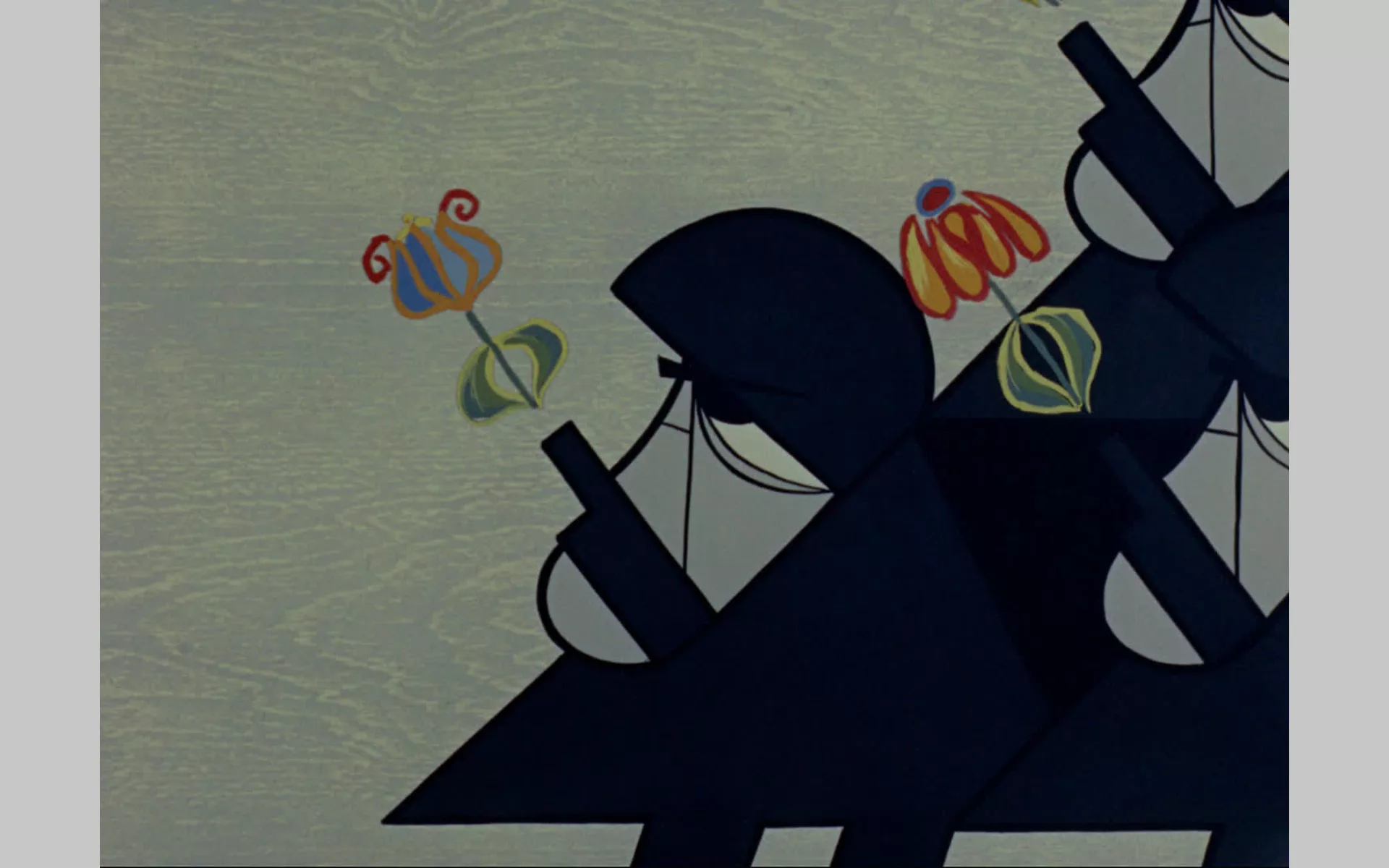
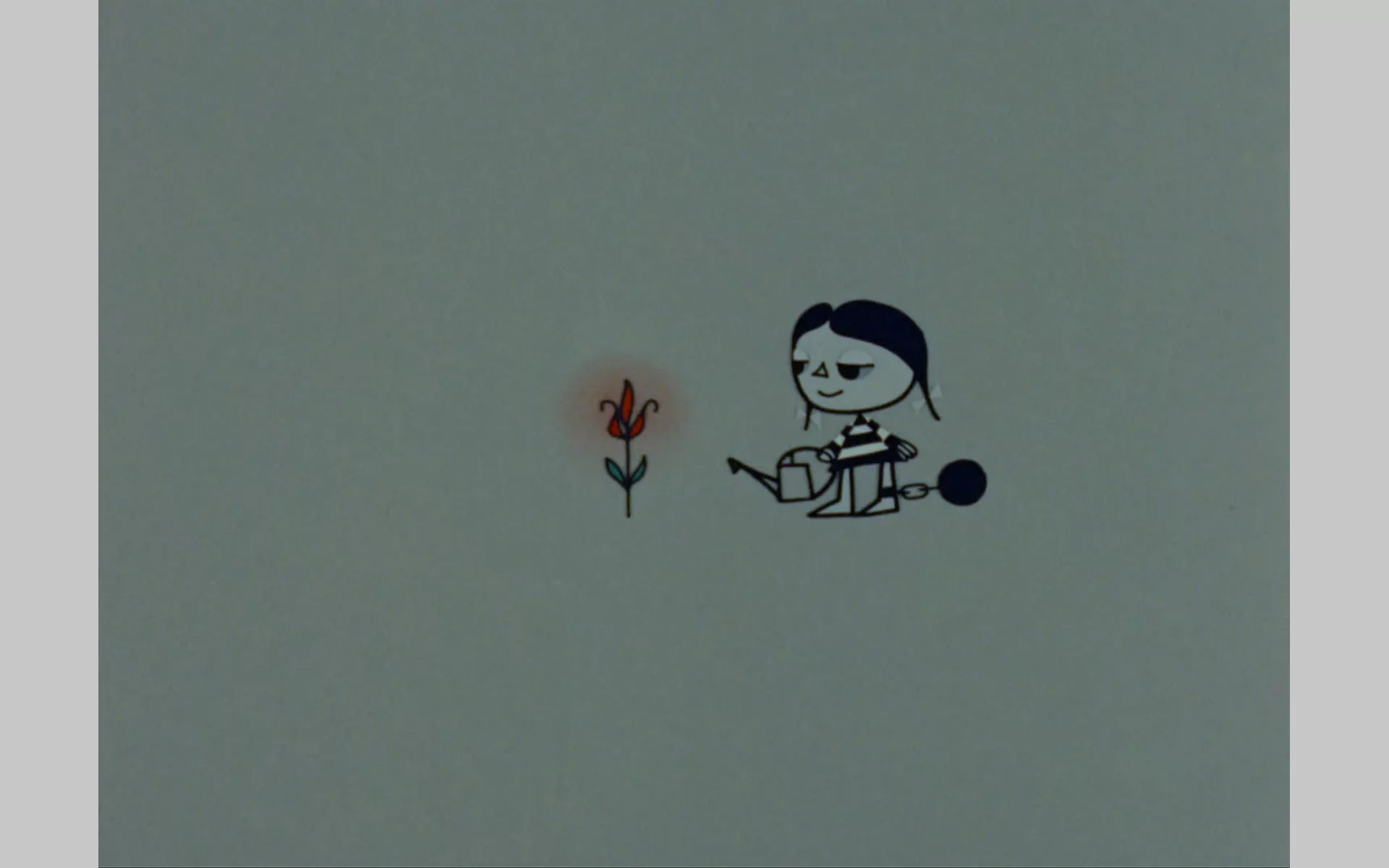
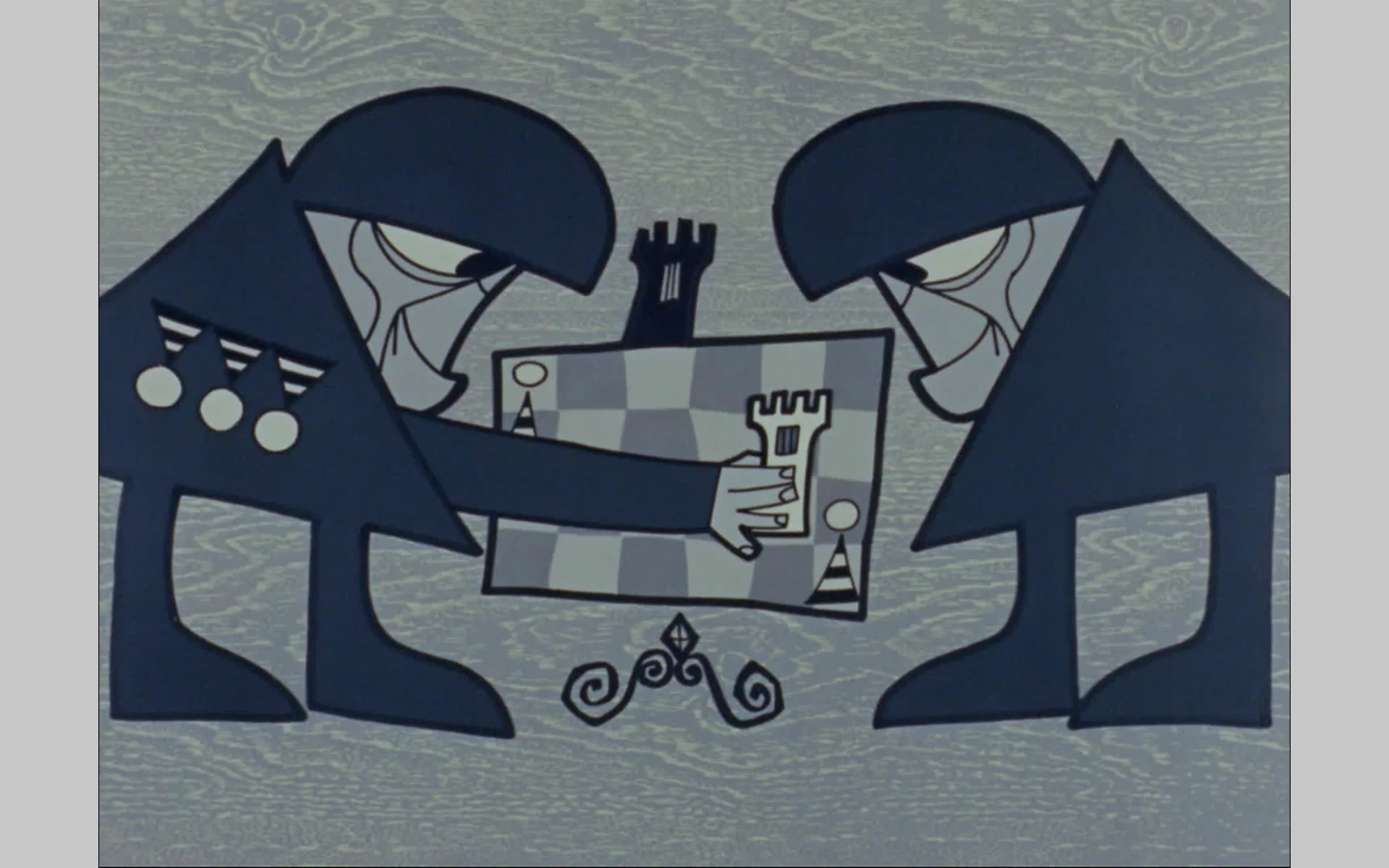
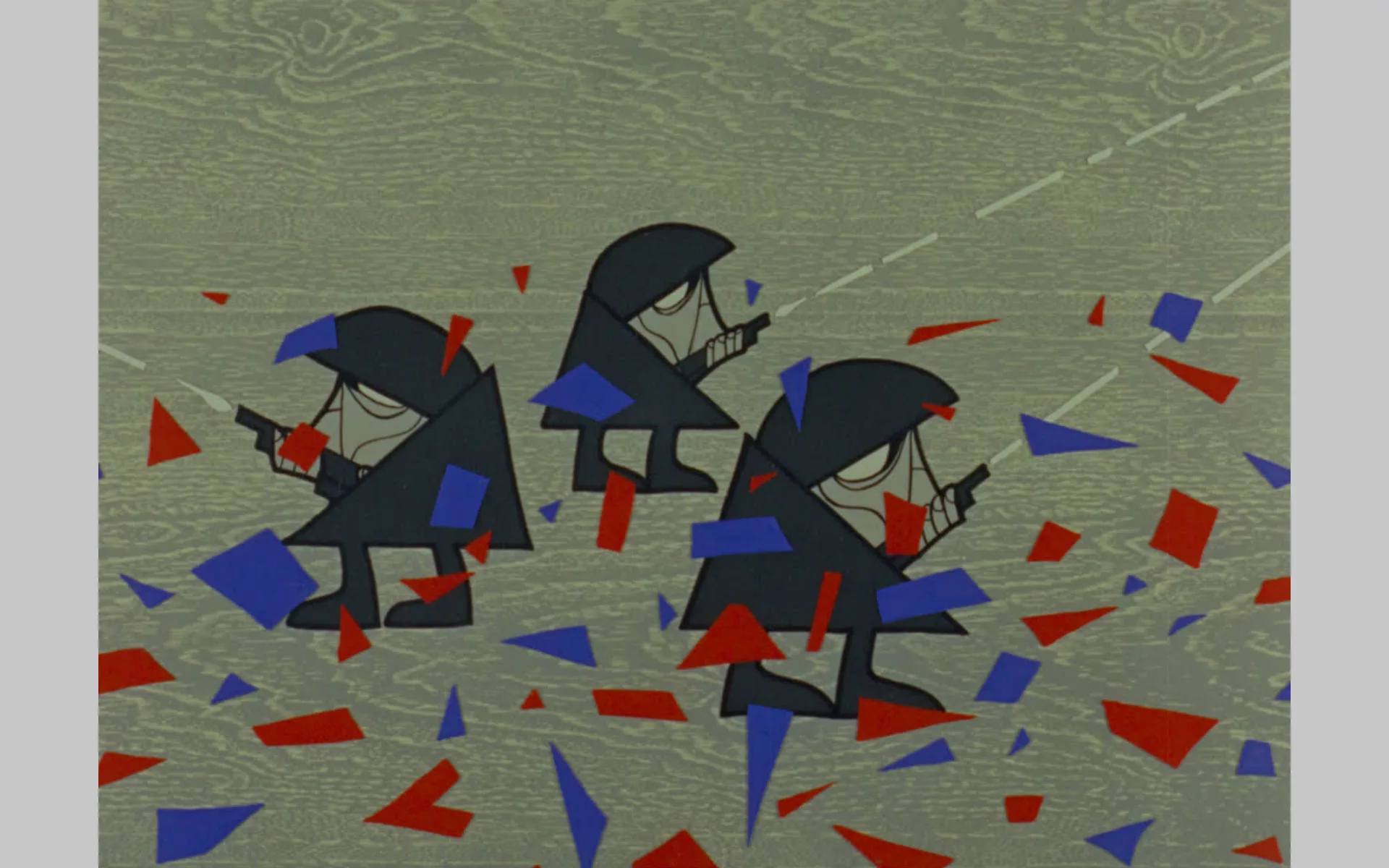
The grey legions invade the world of colour to establish their colourless dominance. Resistance appears in the shape of a scarlet jester, who restores the reign of colour using his chromatic trickery.
“Chromophobia was another step in my evolution towards a simplified, almost schematic graphic design, together with dynamic editing.”
Screenwriter: Raoul Servais
Animation: Raoul Servais
Production: Absolon Films / Anagram – Ministry of National Education and Culture
Musical composition: Ralph Darbo
Sound Design: Jean De Cock
Production designer: Norbert Deseyn
Original film format: 35 mm
Sirene
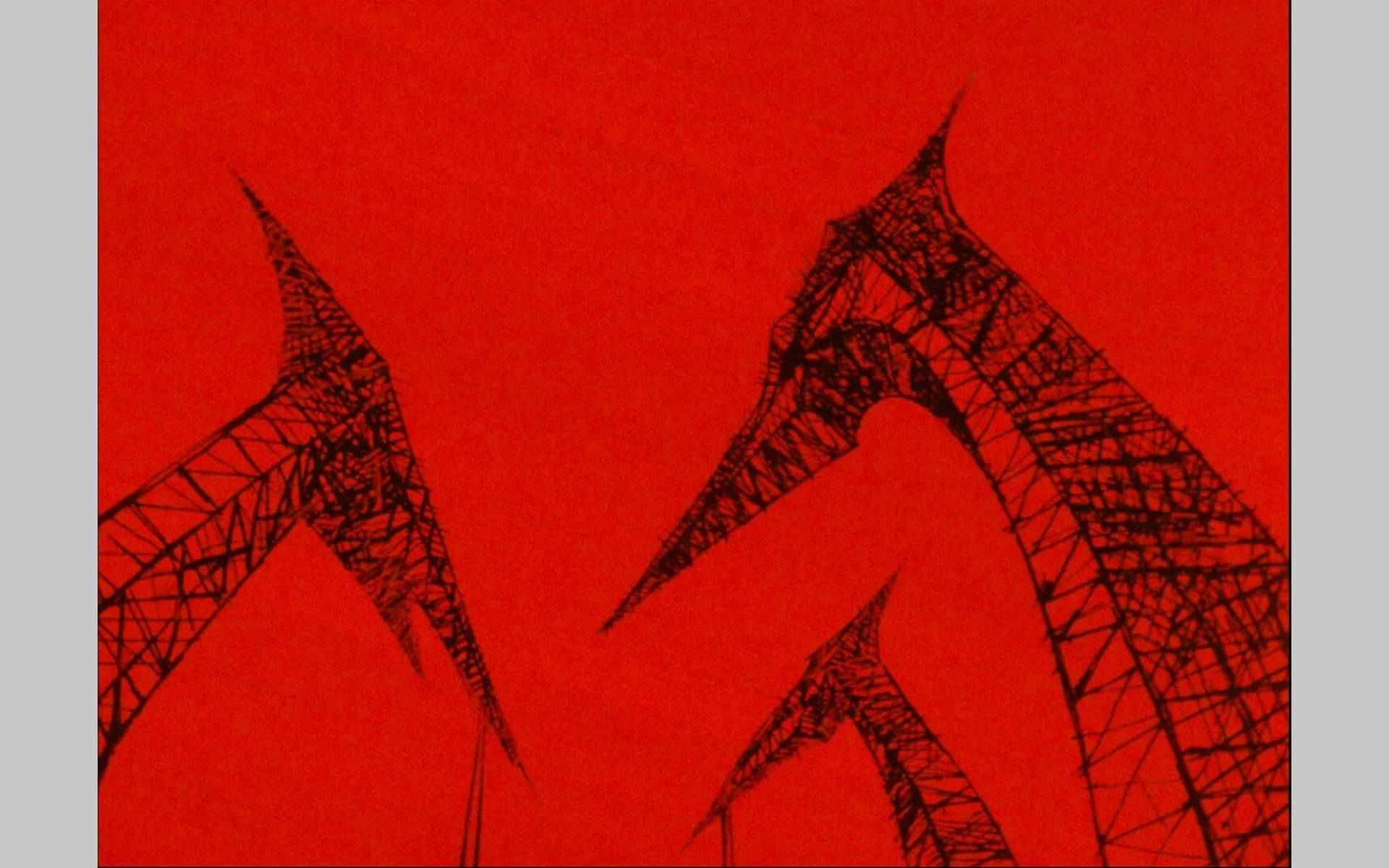
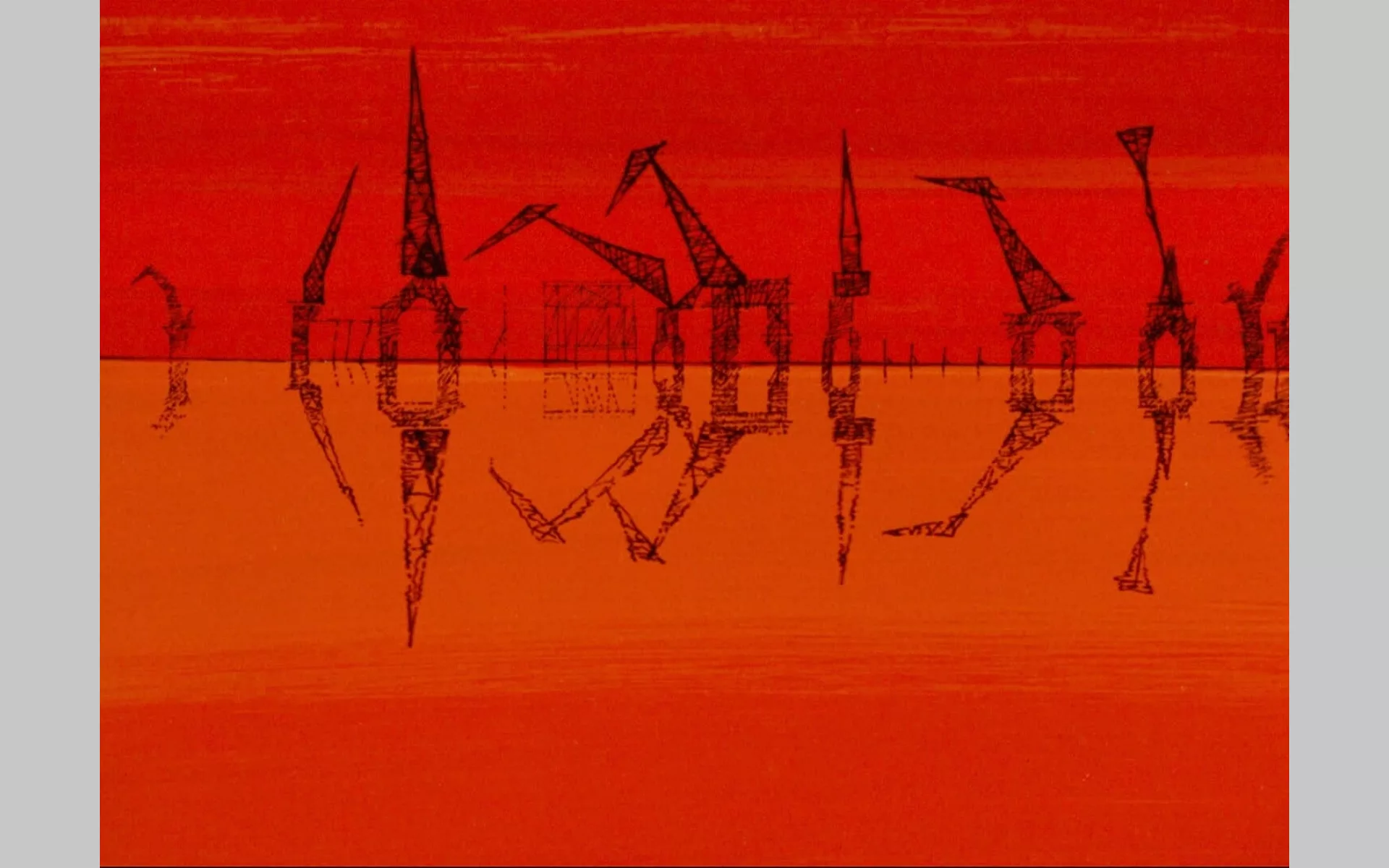
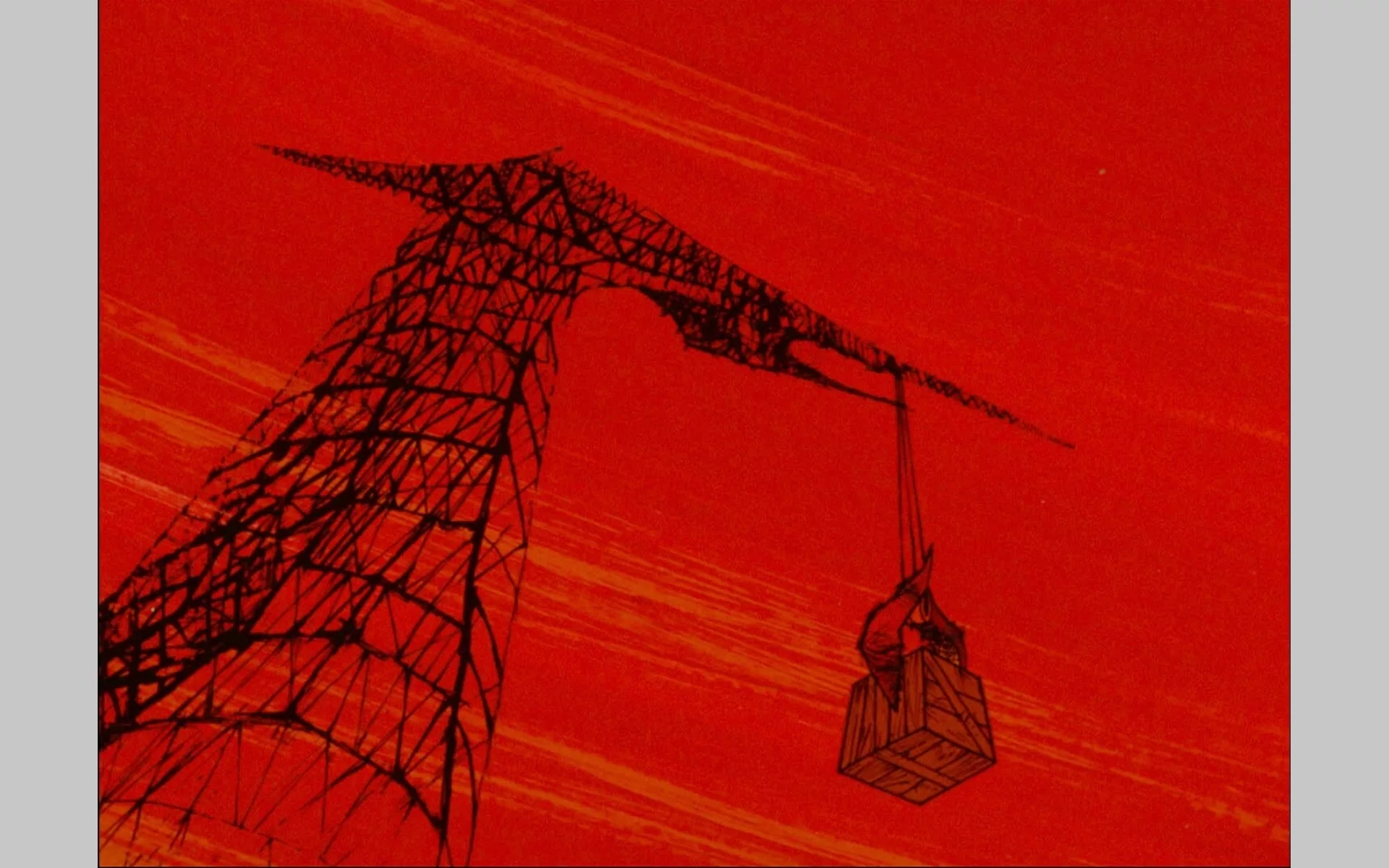
Sirene
Raoul Servais, Belgium 1968 / Color / 9’30’’ / V: NO-DIALOGUE
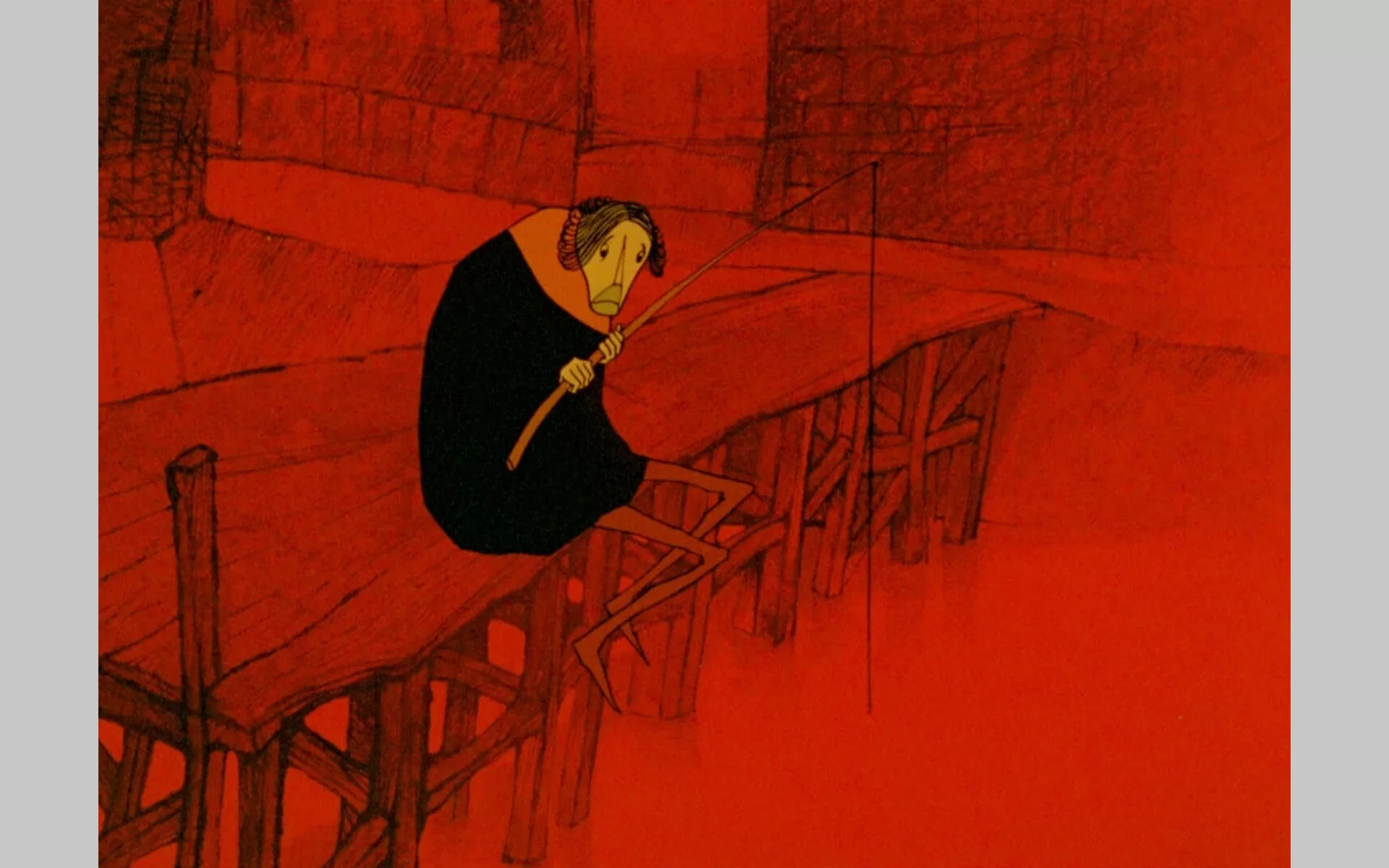
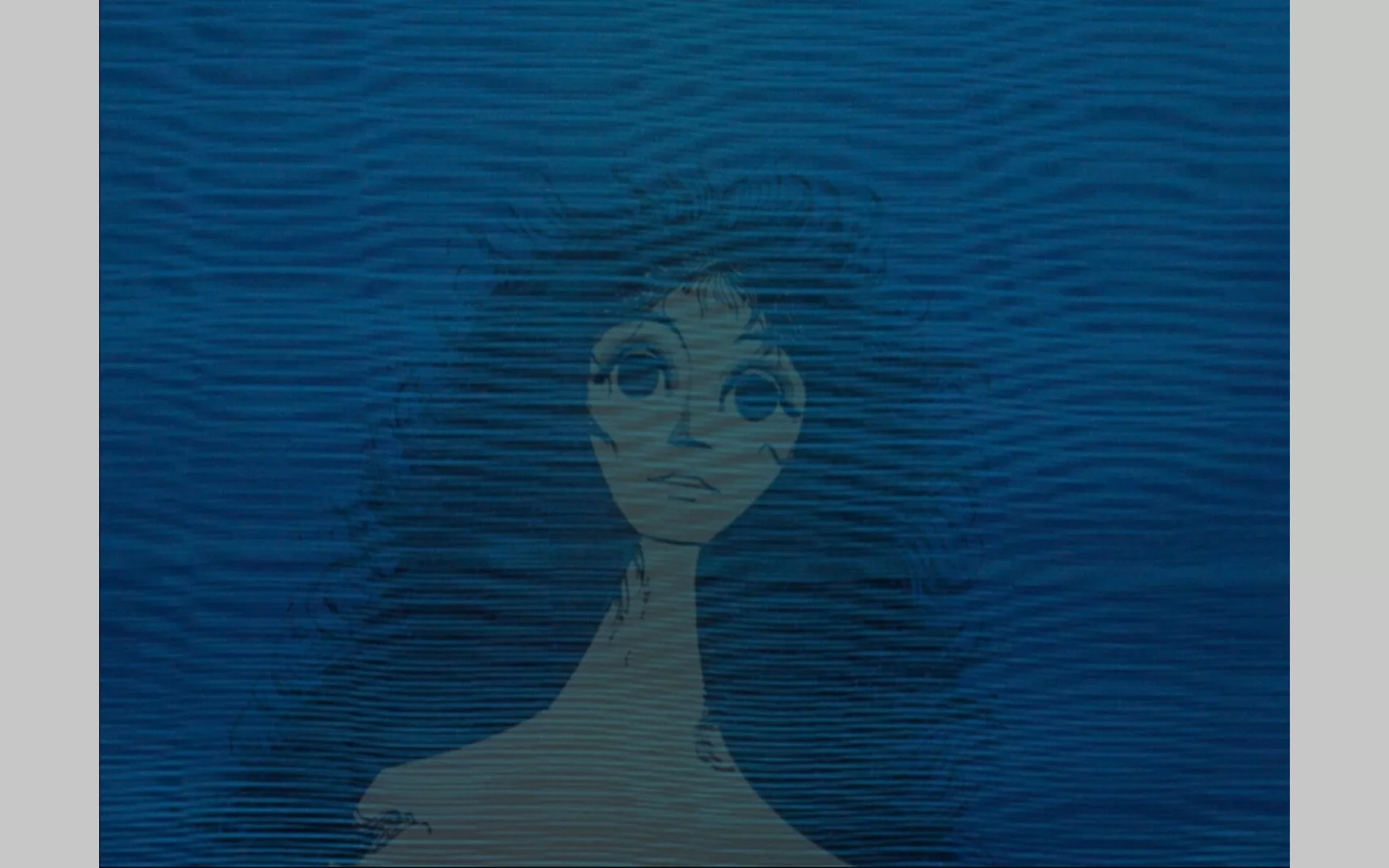
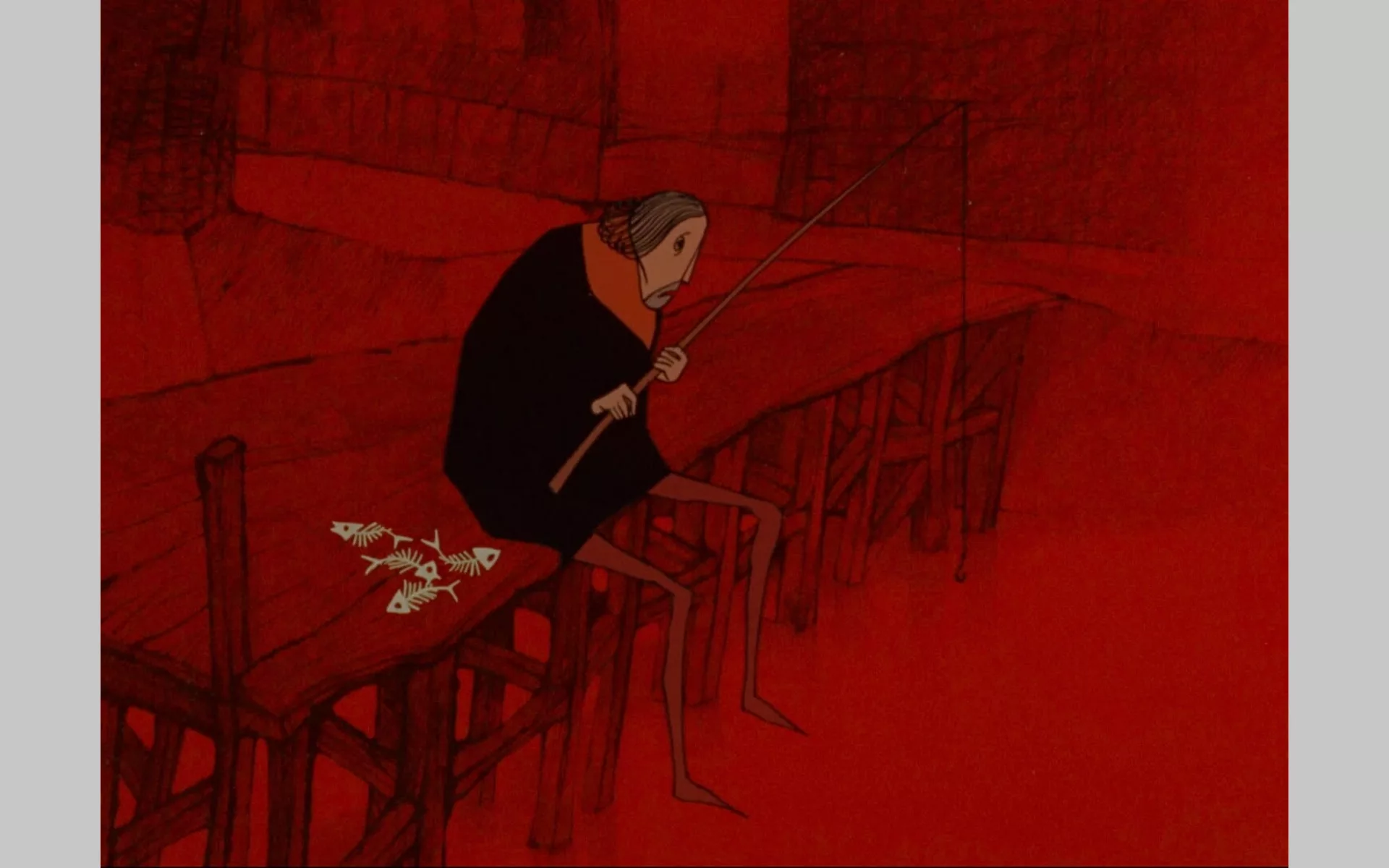
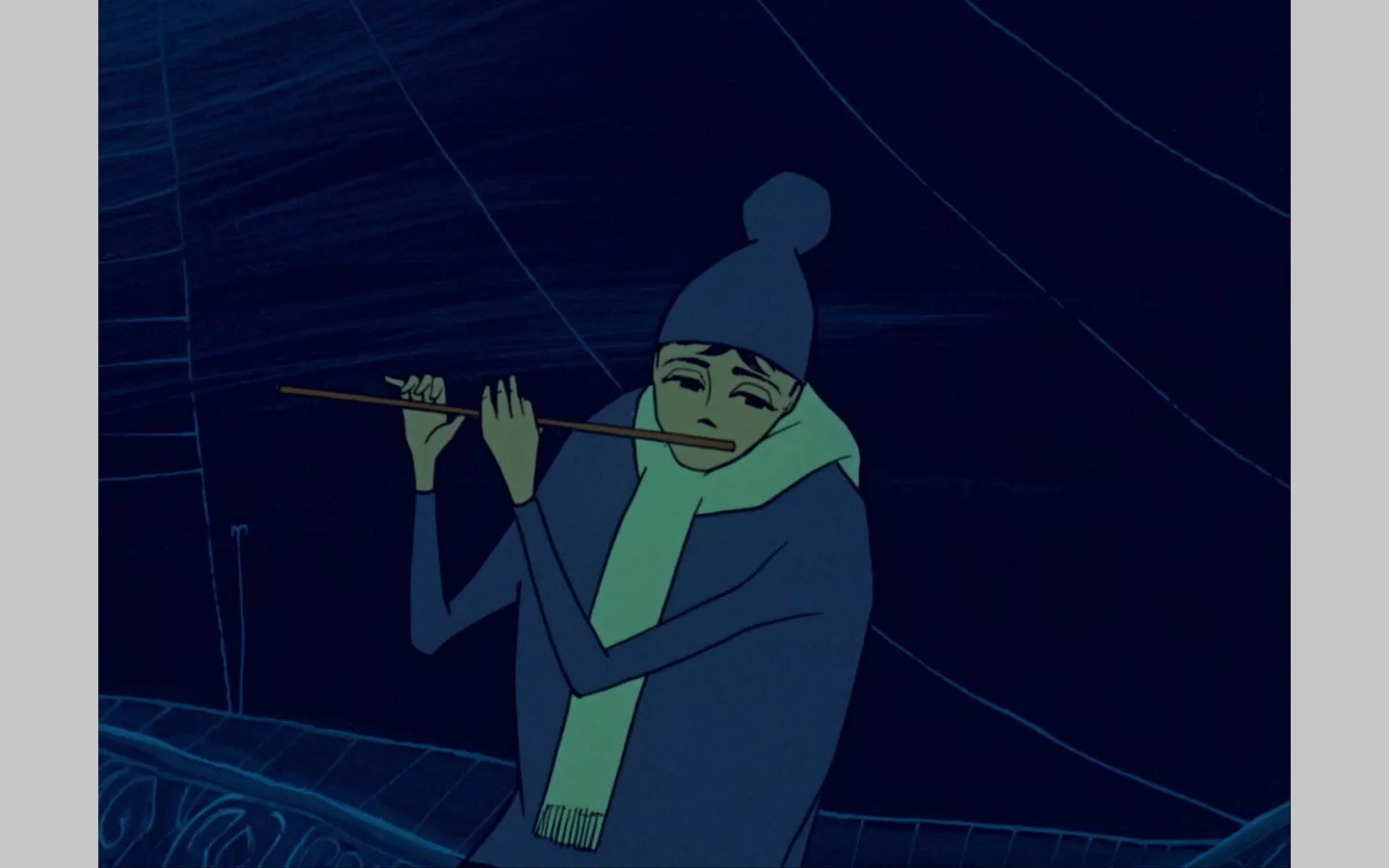
Monsterlike cranes reign over an inhospitable harbour as prehistorical reptiles. The only human being they accept is a lonesome fisherman. He is to witness a strange encounter between a ship’s mate and a mermaid. Imagination or reality?
“With Sirene I had to overcome the differences between the strongly stilised cranes and the more poetic appearance of the human characters. The splendid backgrounds by Norbert Desyn brought it all together.”
Screenwriter: Raoul Servais
Animation: Raoul Servais & Willy Verschelde
Production: Absolon Films / Anagram
Musical composition: Lucien Goethals
Sound Design: Jef Bruyninckx
Production designer: Norbert Deseyn
Goldframe
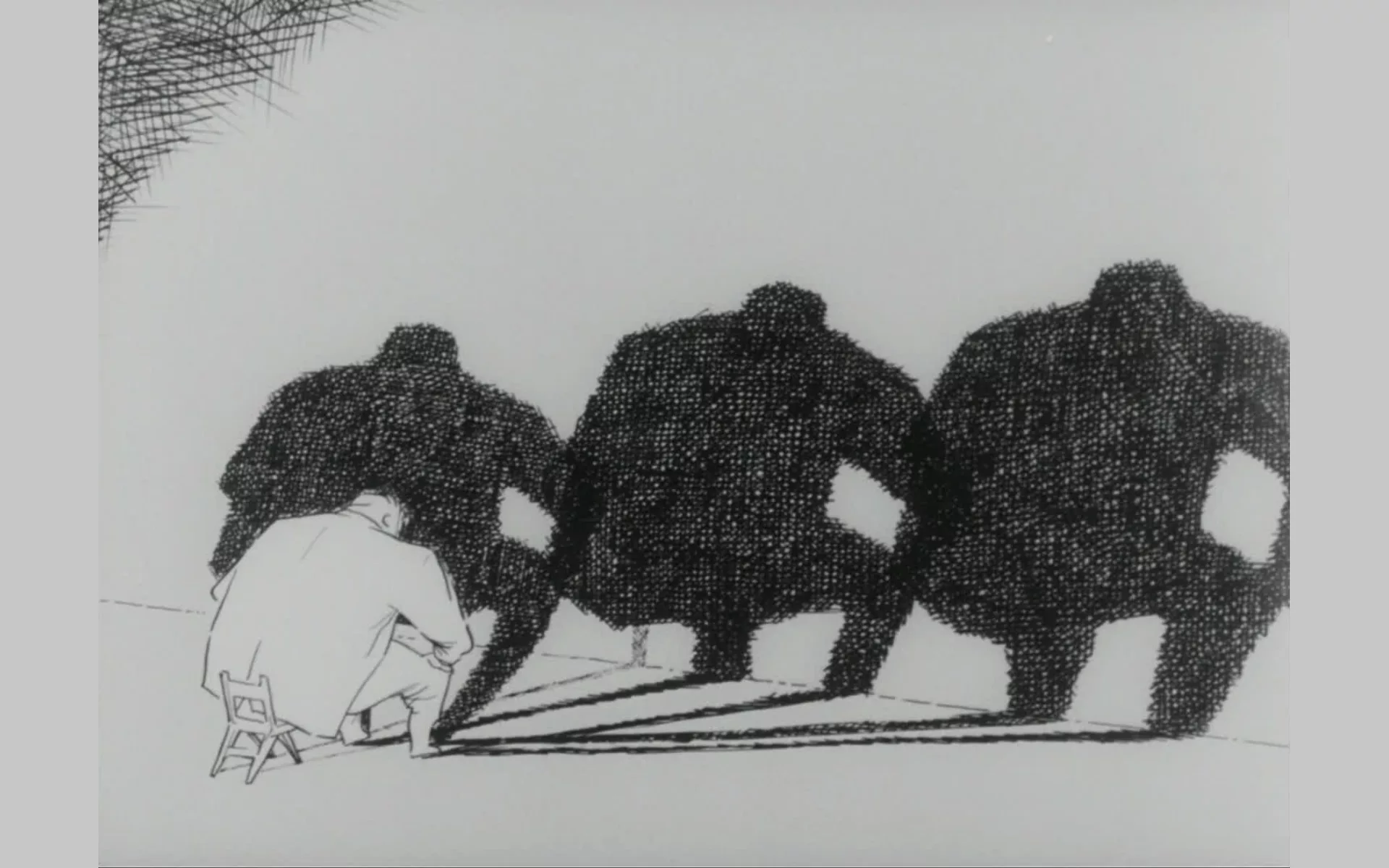
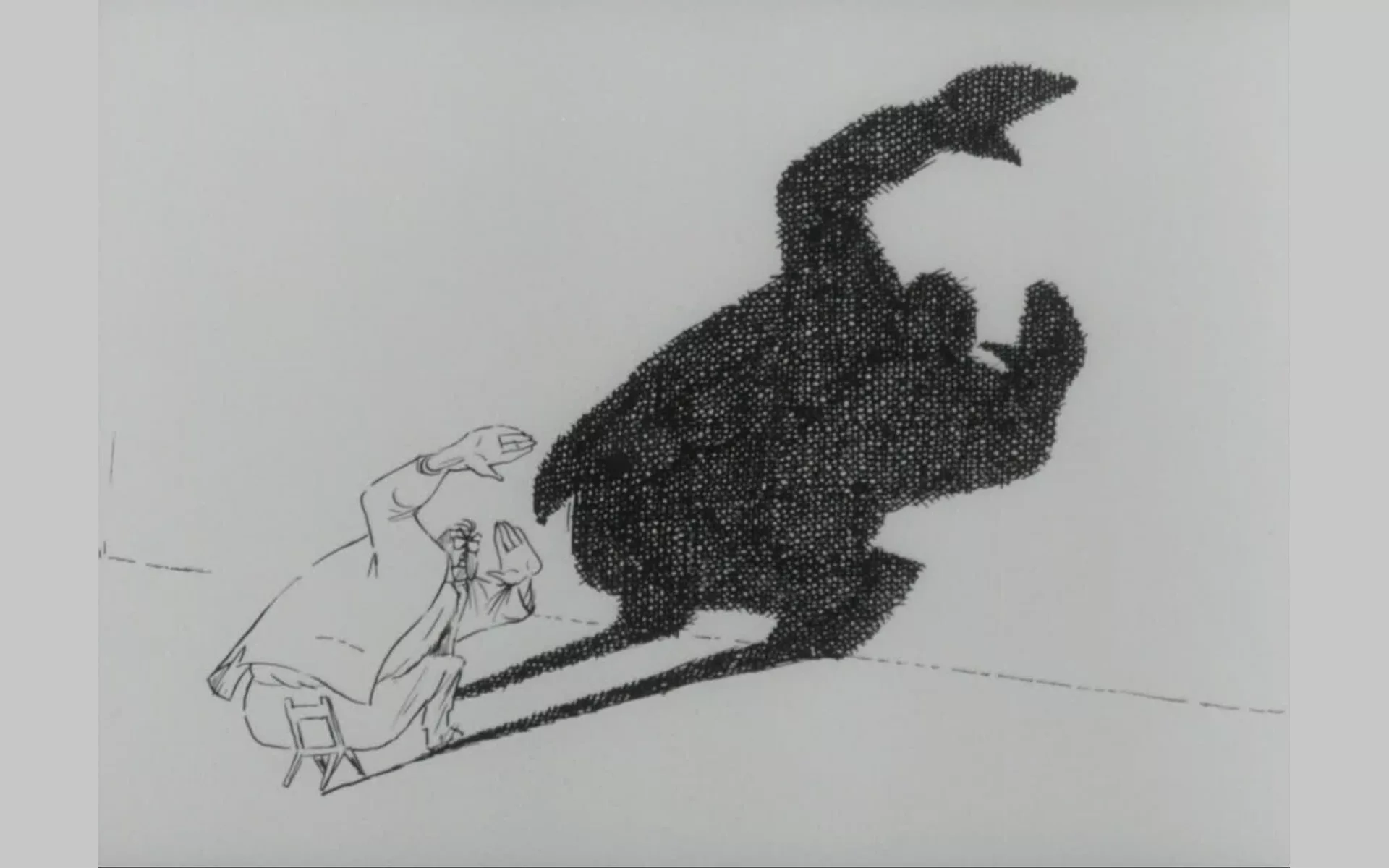
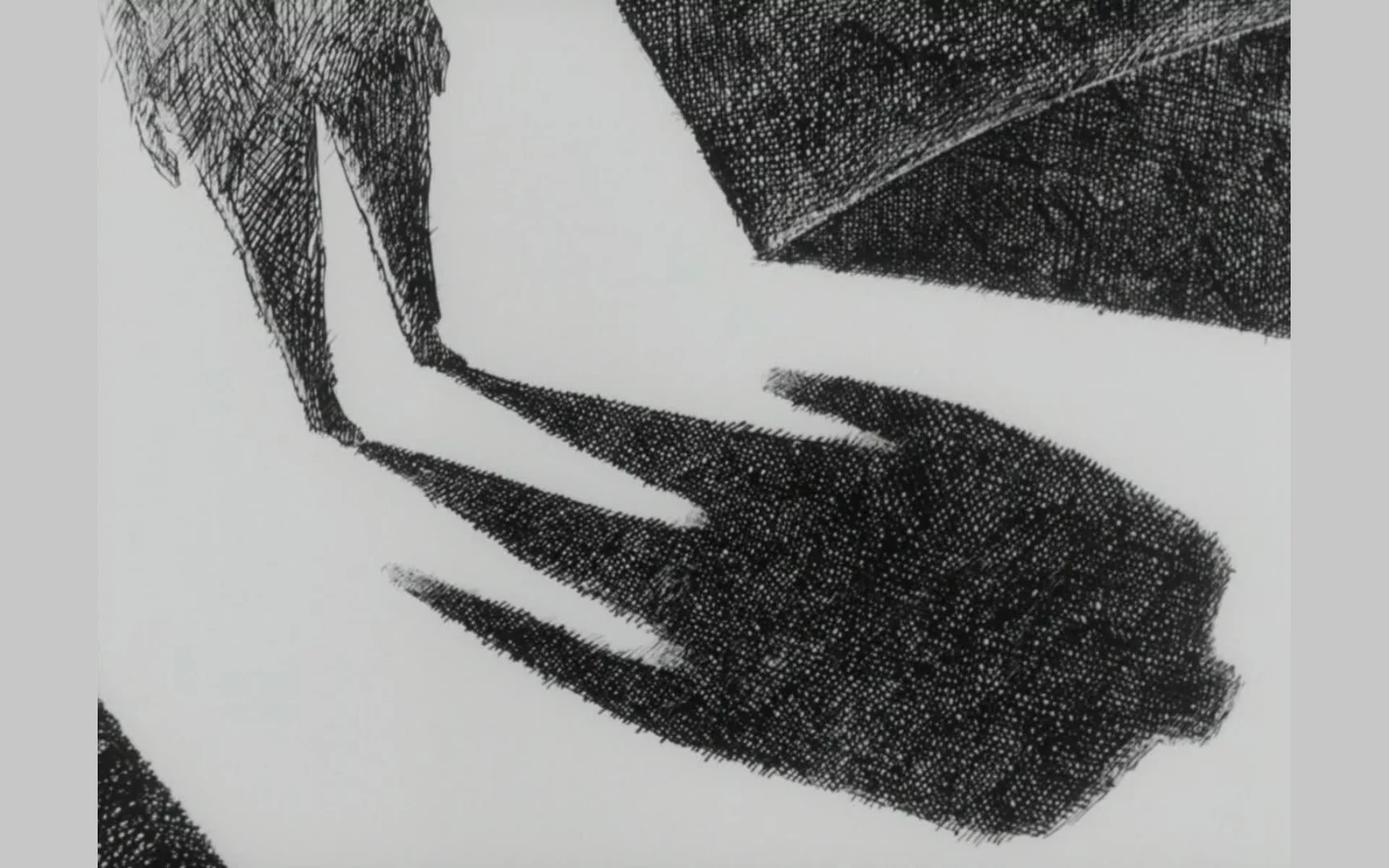
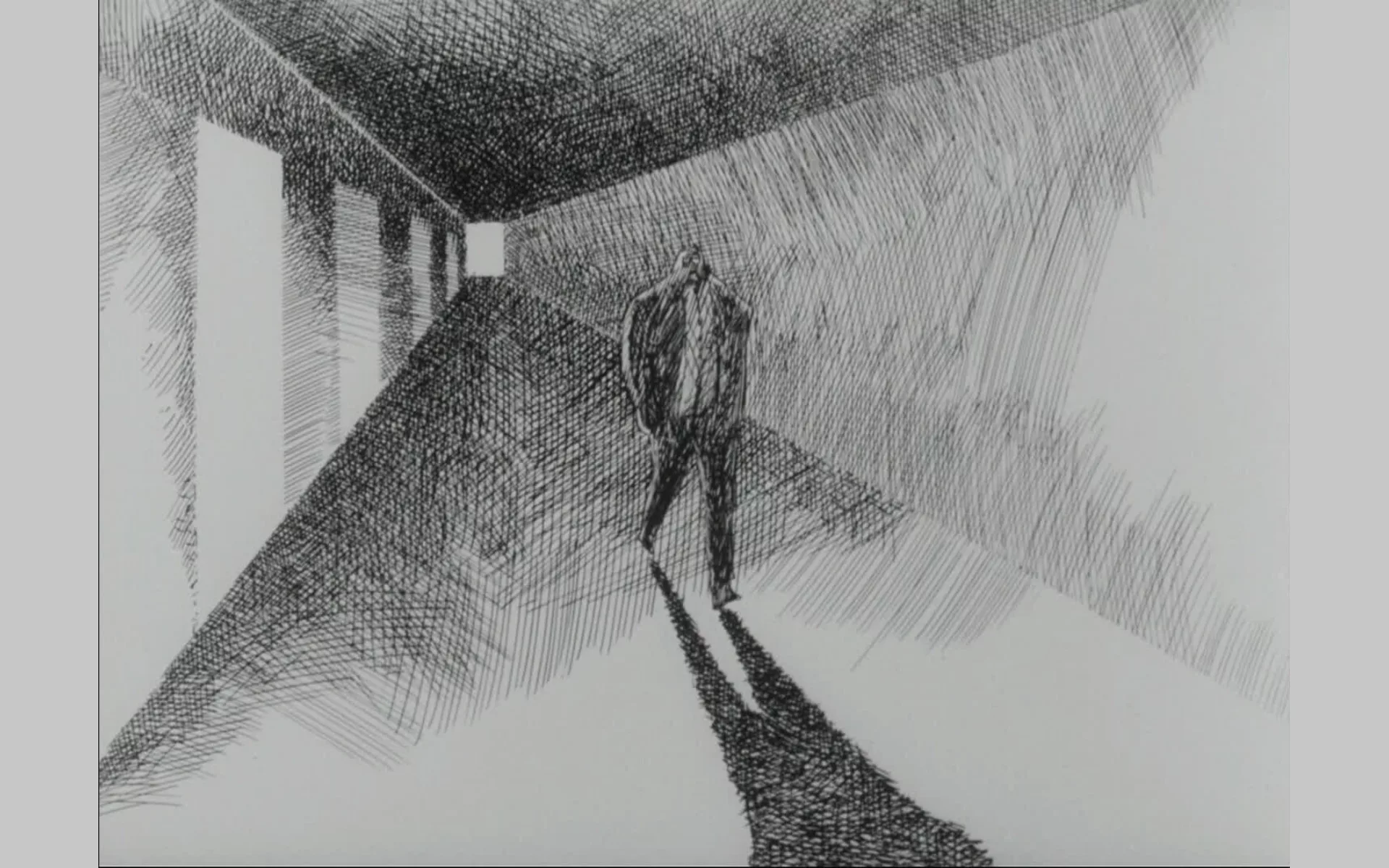
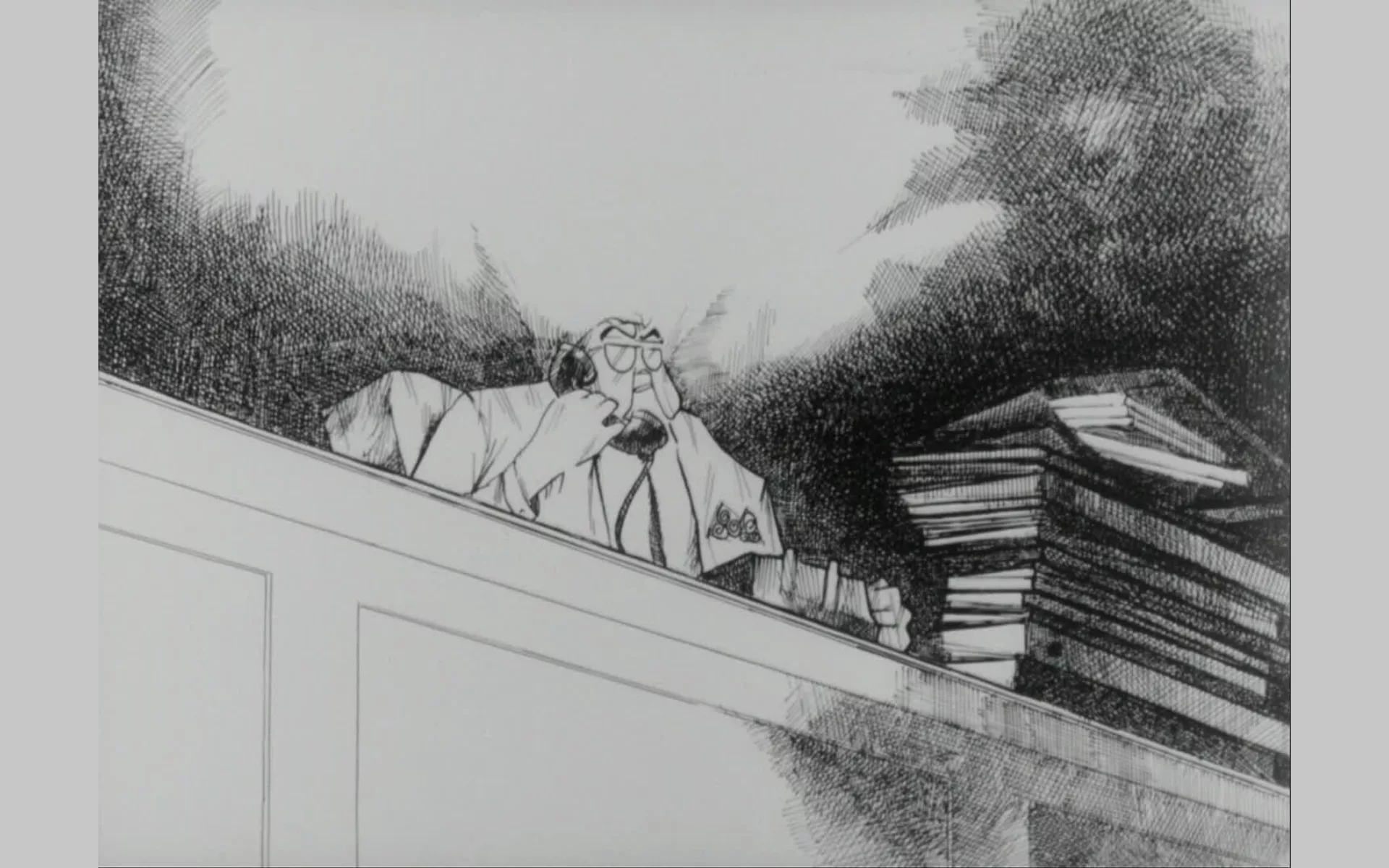
Goldframe
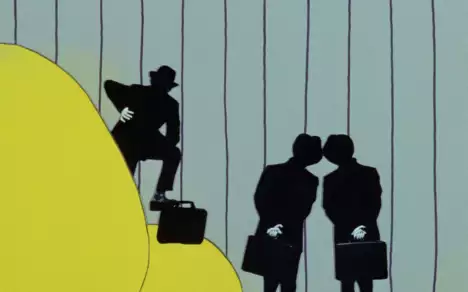
Raoul Servais, Belgium 1969 / BW / 5’ / V: EN ST: FR-NL
Jason Goldframe, a film producer, is always the best and the first! It’s his ambition to be the very first to achieve the inconceivable: making a 270mm film. Obsessed as he is, he even wants to be faster than his shadow. One evening he succeeds.
“Goldframe was a first experiment in freeing myself of rigid and cleaned tracing of characters. The spontaneous, freehand drawing of the only character in the film, Mr. Jason Goldframe, was in perfect symbiosis with the brilliant backgrounds by Paul Van Gysegem.”
Screenwriter: Raoul Servais
Animation: Willy Verschelde
Production: Raoul Servais, Absolon Films / Anagram
Musical composition: Duncan Calyer, Paul Van Gysegem
Sound Design: Jef Bruyninckx
Production designer: Paul Van Gysegem
To speak or not to speak


To speak or not to speak
Raoul Servais, Belgium 1970 / Color / 11’ / V: EN ST: FR-NL
When the average man in the street is asked what he thinks of the political situation, there’s not much to be learned. Only a dropout is willing to give a truly personal opinion.
“What I tried to do was finding an expressive way of emphasizing what the characters were saying, and even more how they were saying it.”
Screenwriter: Raoul Servais
Animation: Willy Verschelde
Production: Raoul Servais, Absolon Films / Anagram
Musical composition: Lucien Goethals
Sound Design: Jef Bruyninckx
Production designer: Norbert Deseyn
Operation X-70
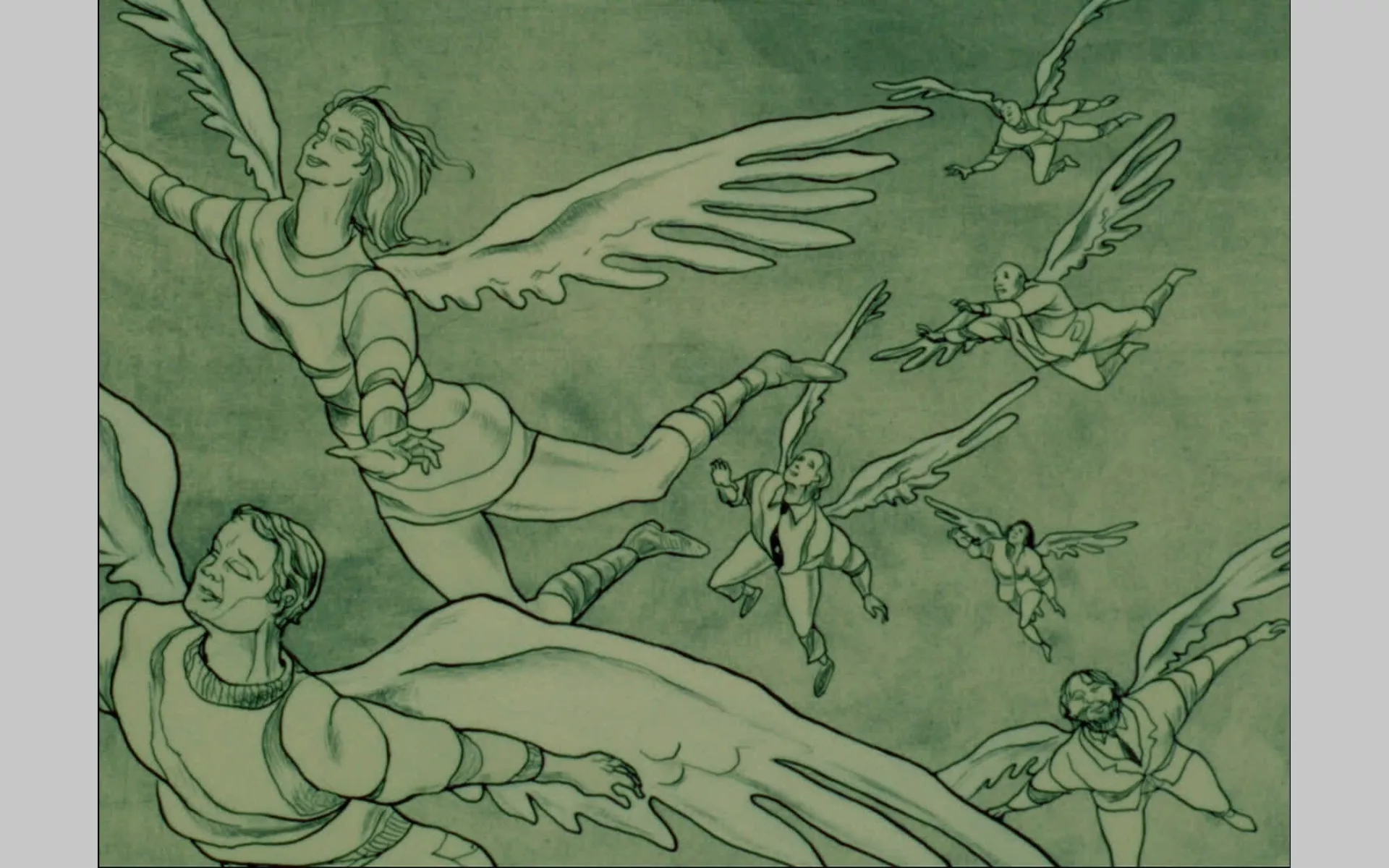
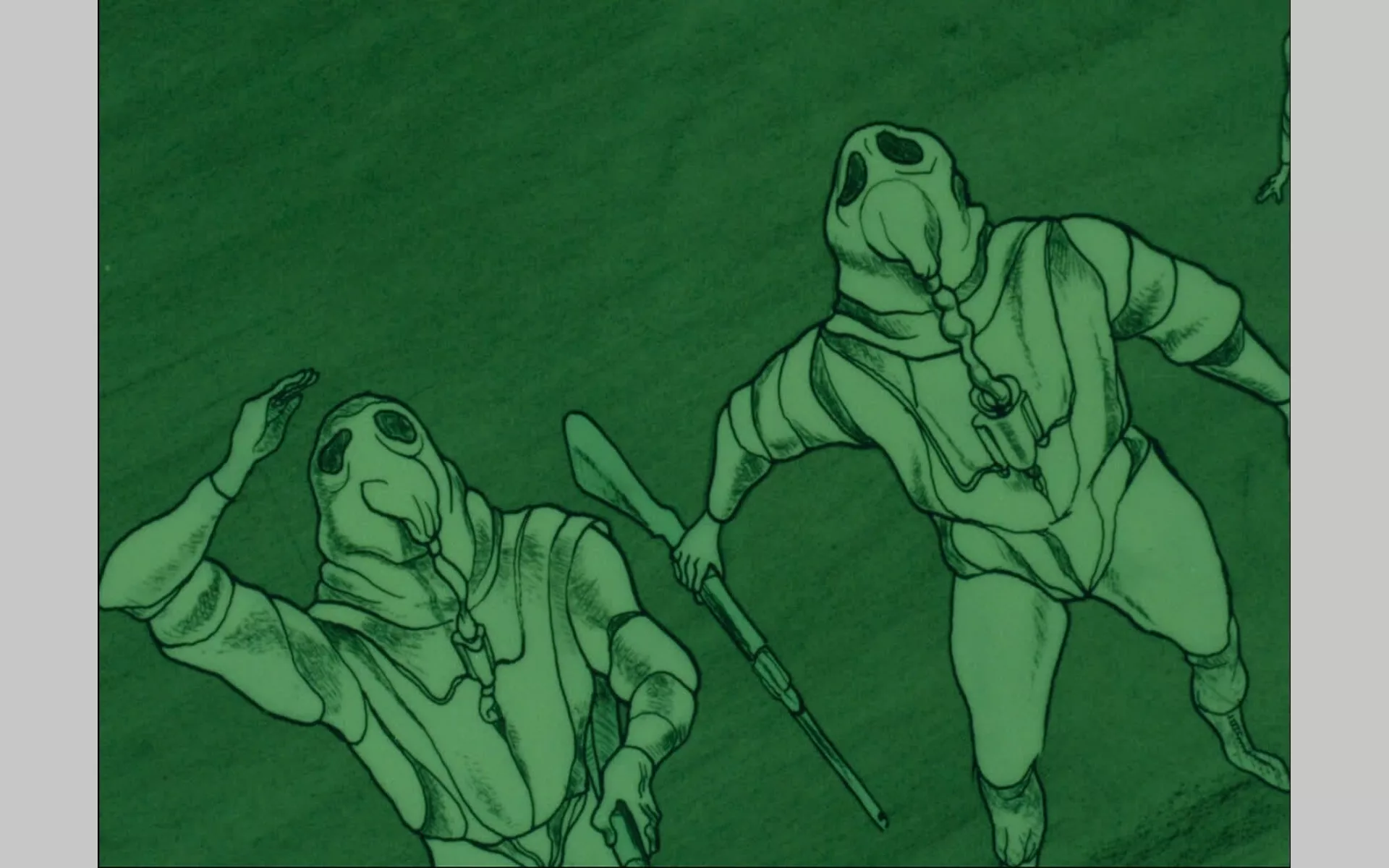
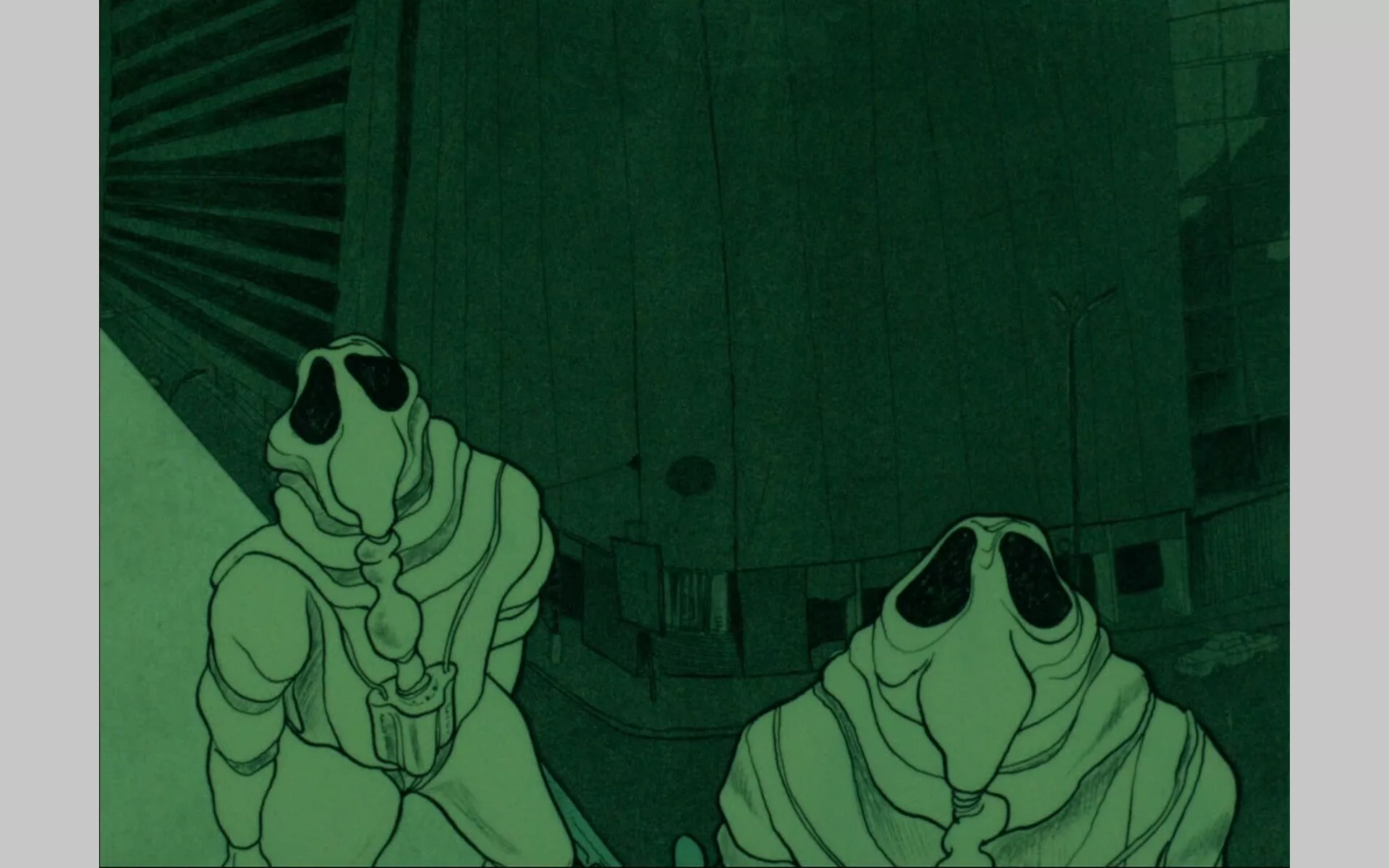
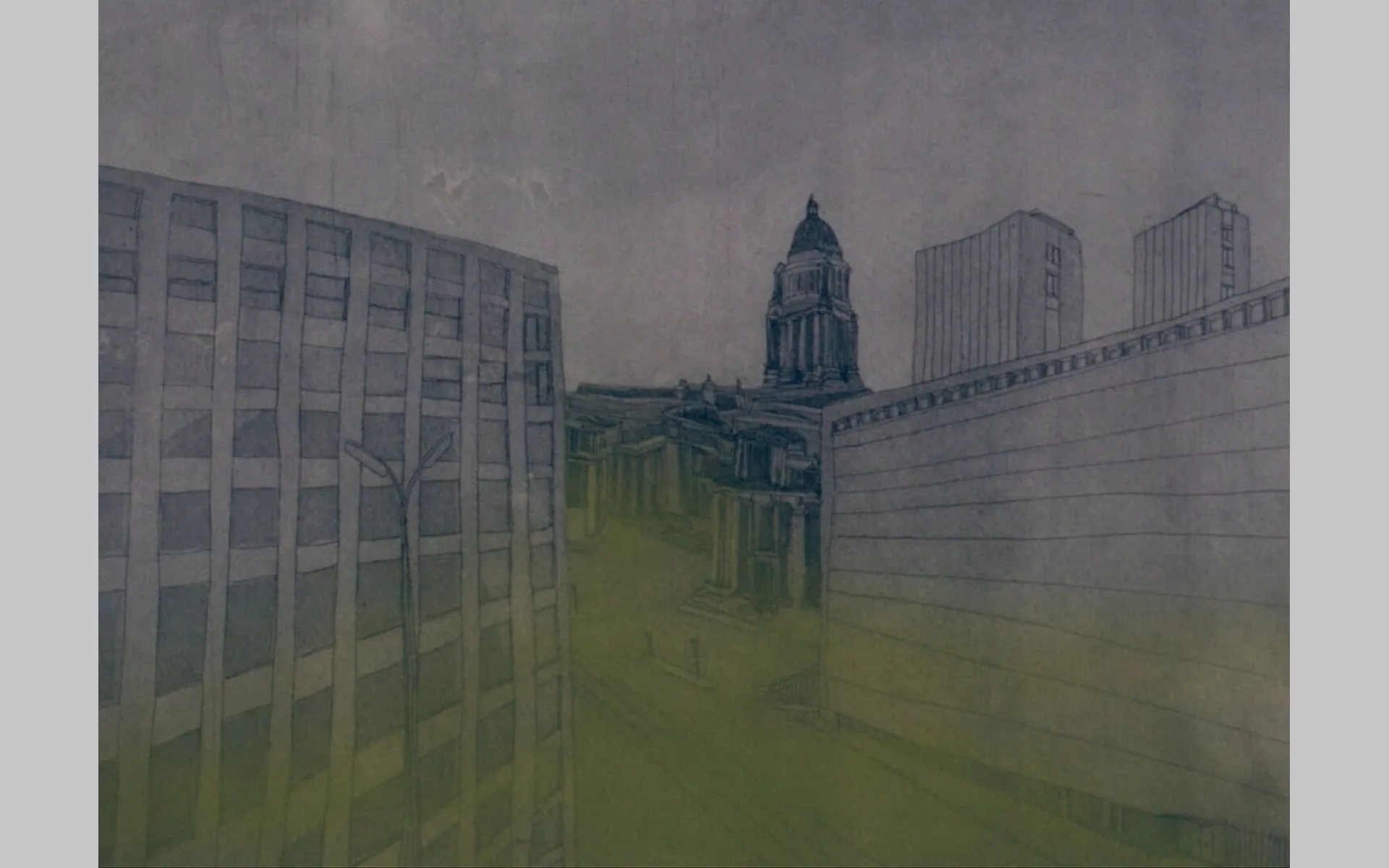
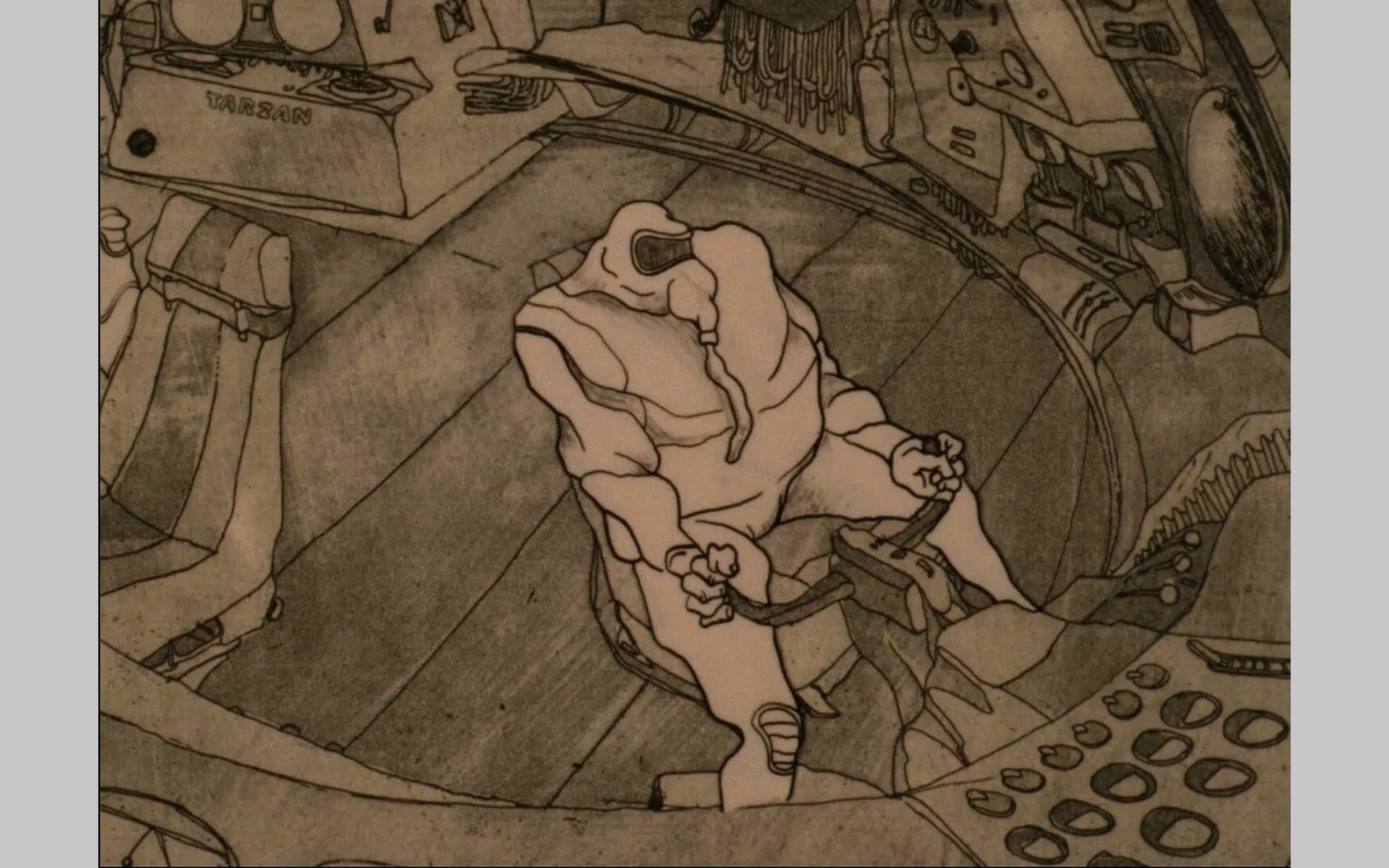
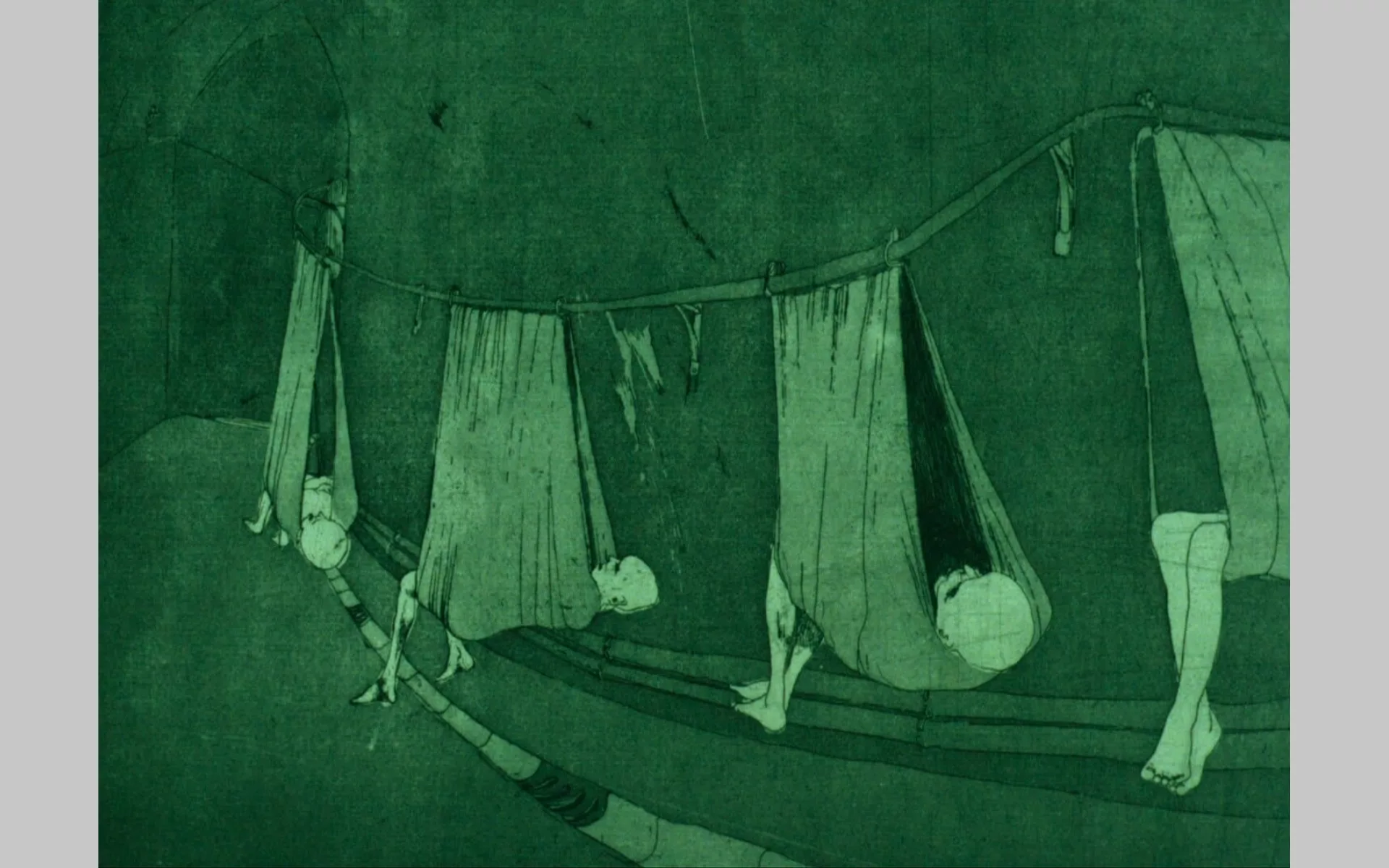
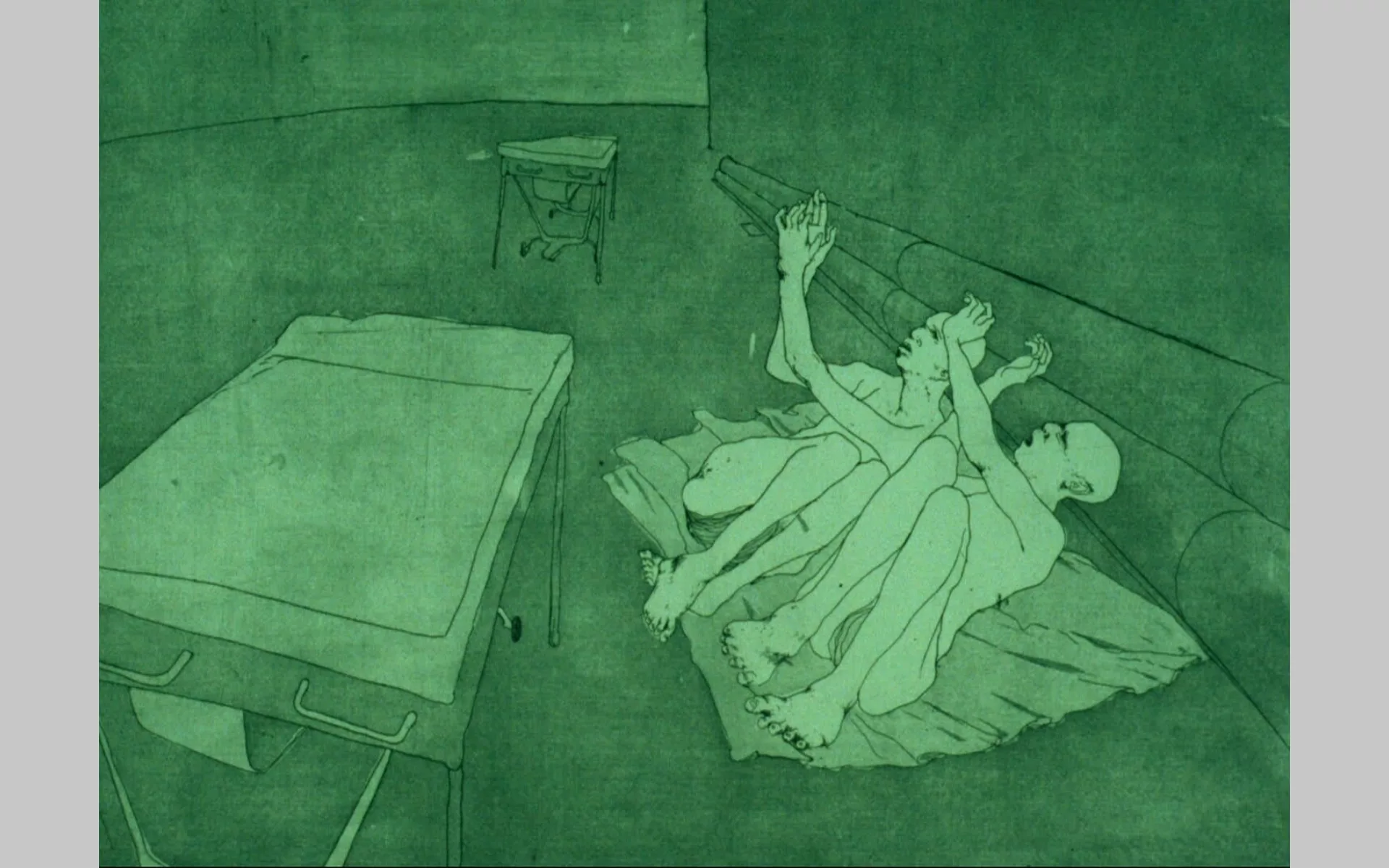
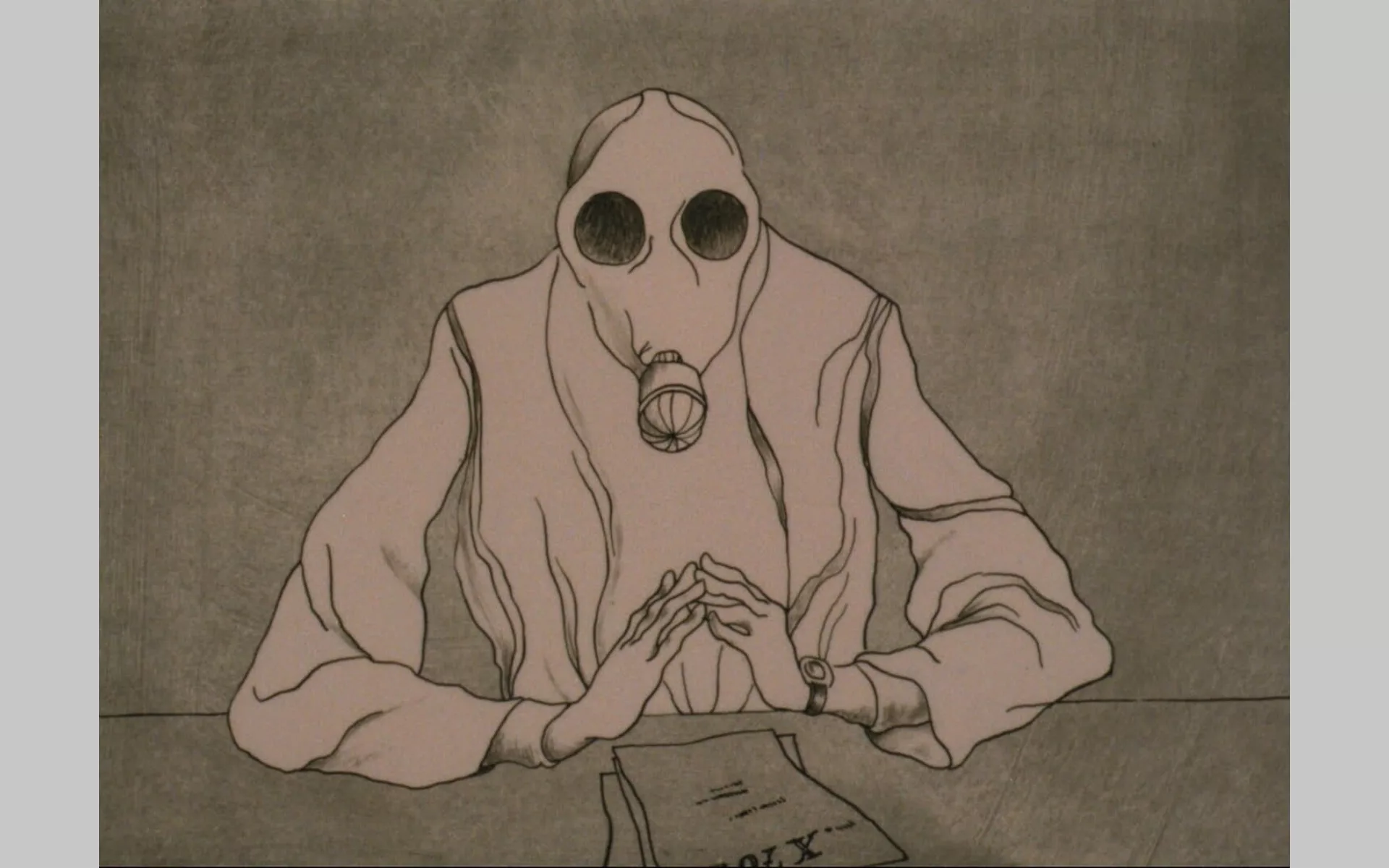
Operation X-70
Raoul Servais, Belgium 1971 / Color / 9’40’’ / V: EN ST: FR-NL
A mighty state is experimenting with a new nerve gas that doesn’t kill, but numbs people. By accident some of the gas is dropped on a peaceful country ‘Nebelux’, where suddenly strange mutations appear.
“For Operation X-70 the backgrounds were made with prints from copper etchings by Marc Ampe. Willy Verschelde adapted the character designs by giving them an etching-like appearance.”
Screenwriter: Raoul Servais
Animation: Willy Verschelde
Production: Pen Film
Musical composition: Arsène Souffriau
Sound Design: Roger Defays
Production designer: Marc Ampe
Pegasus
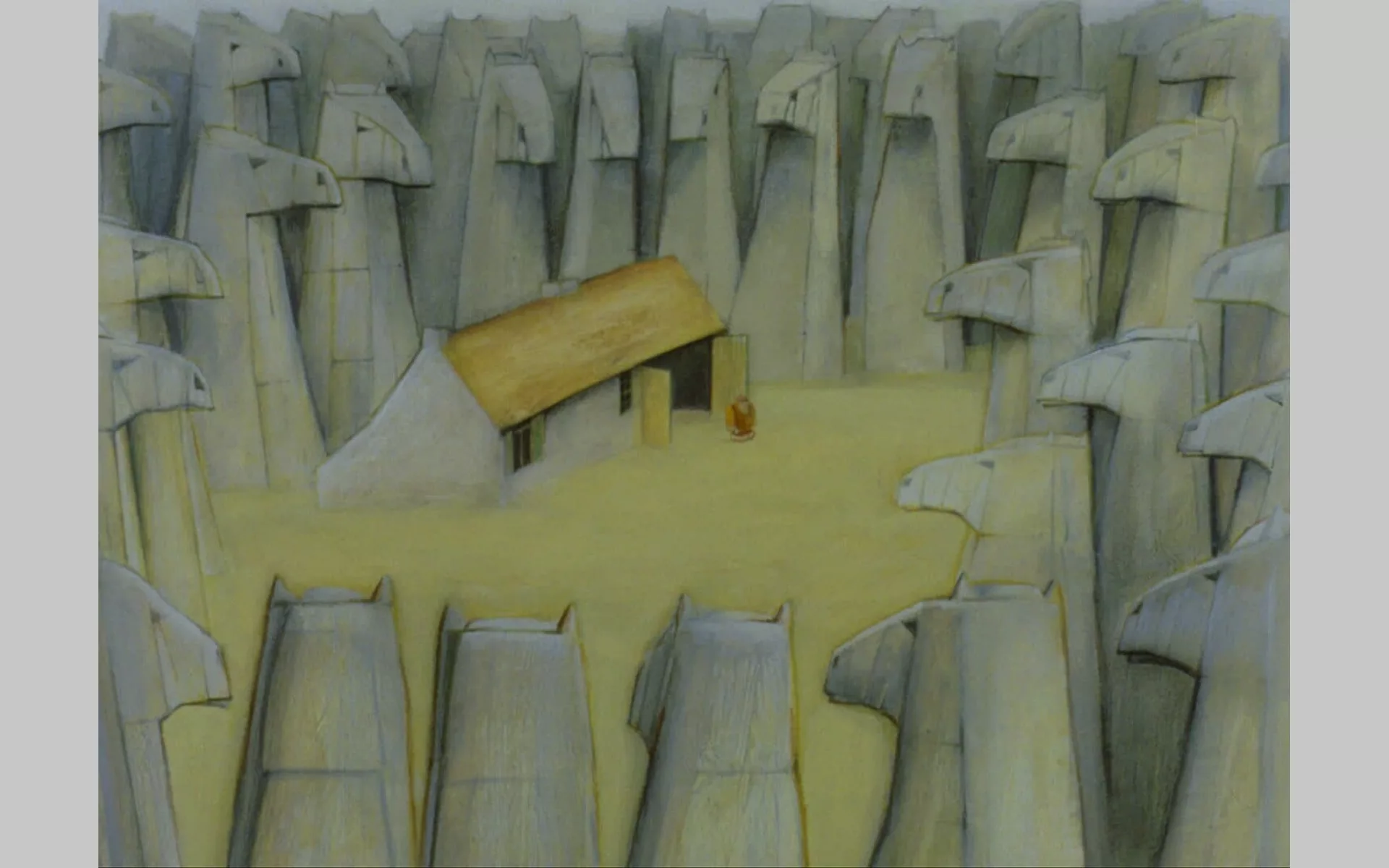
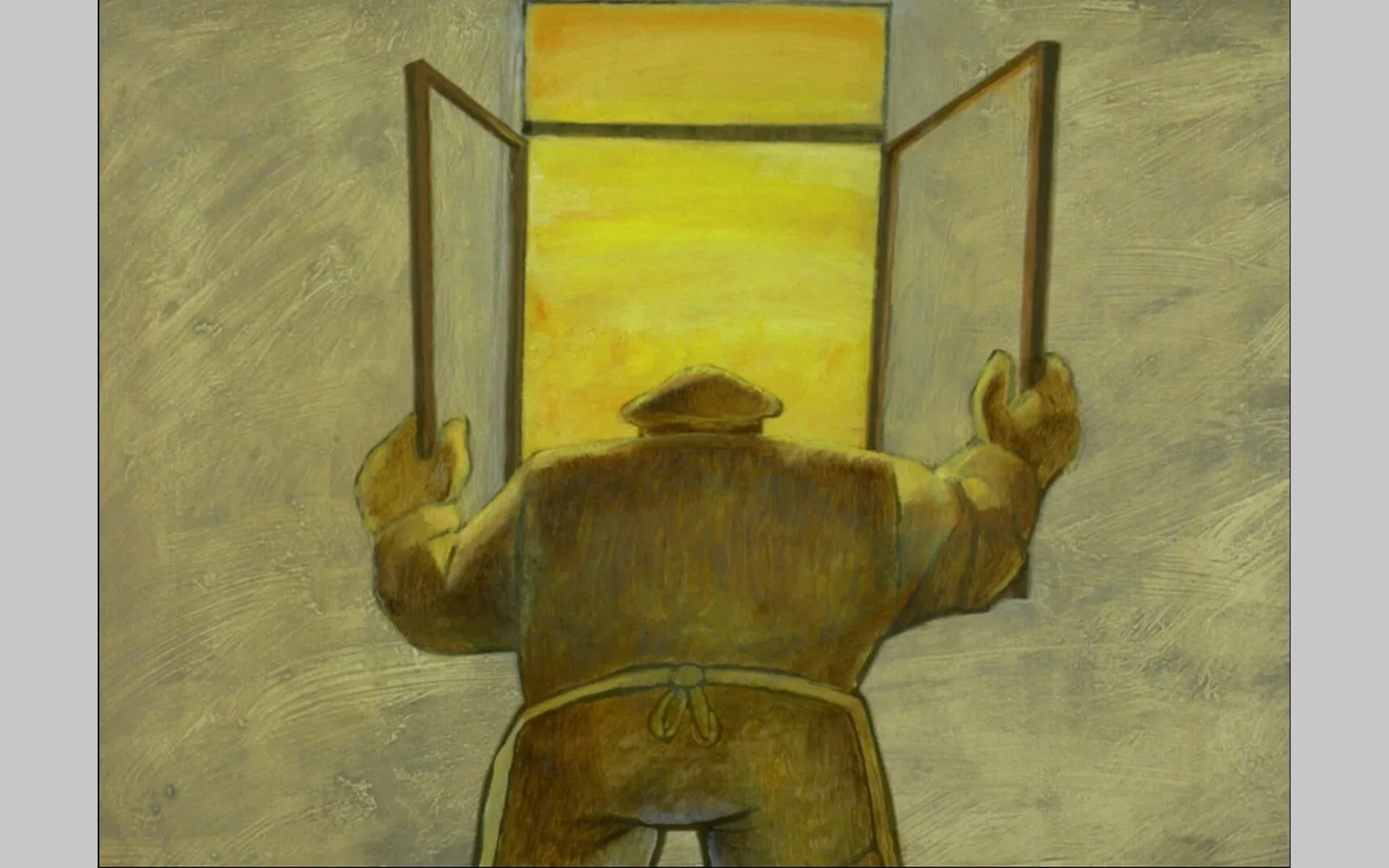
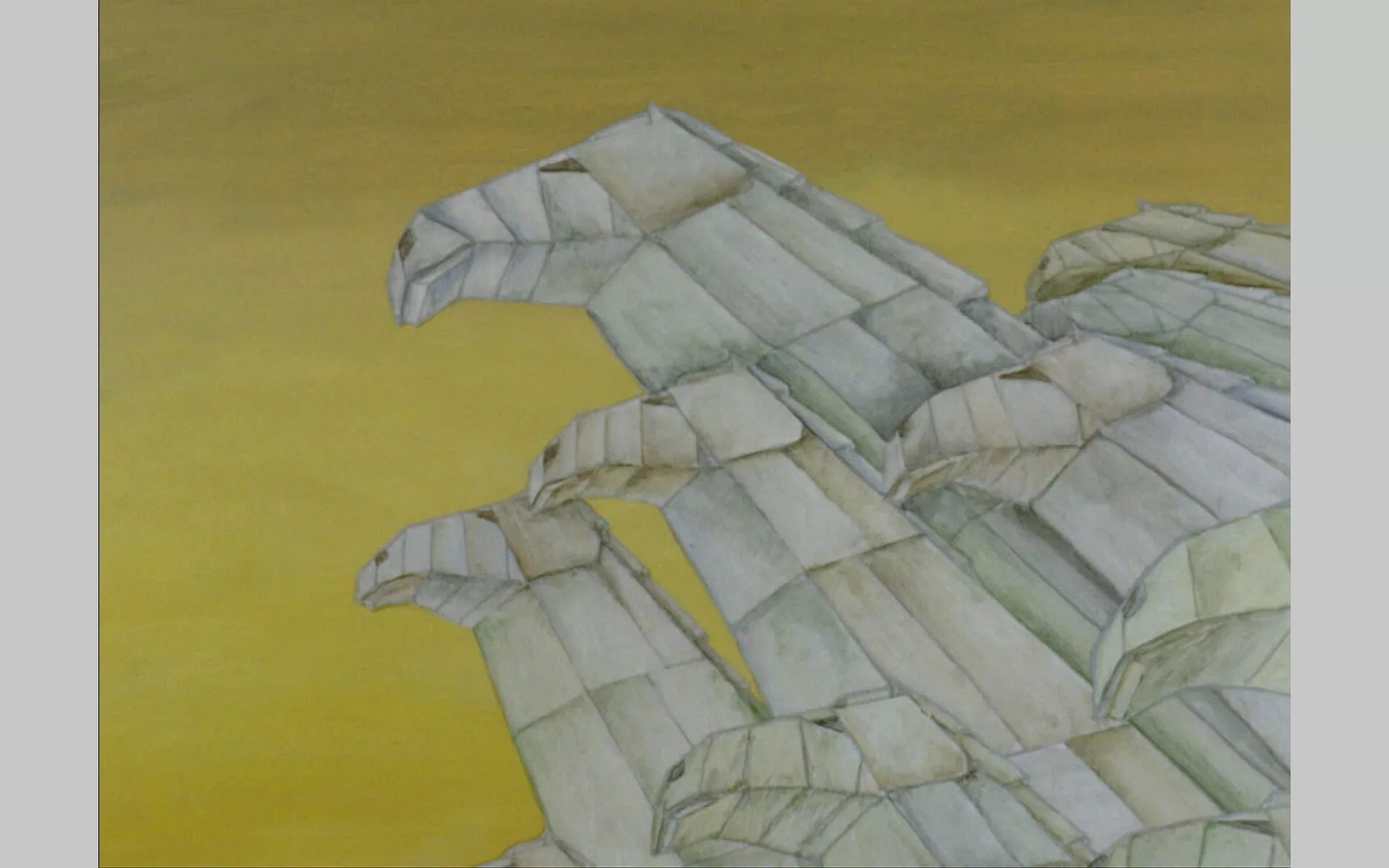
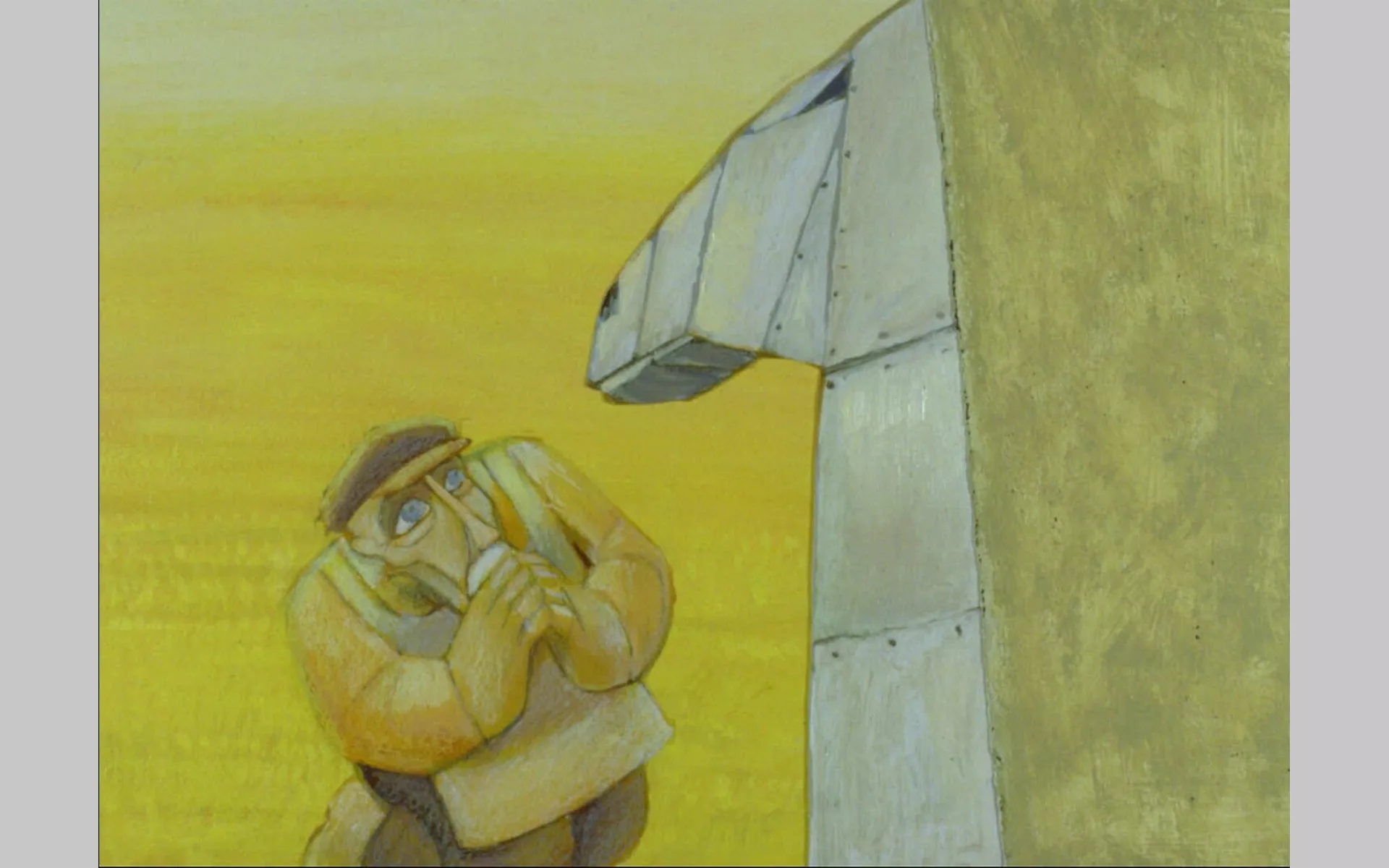
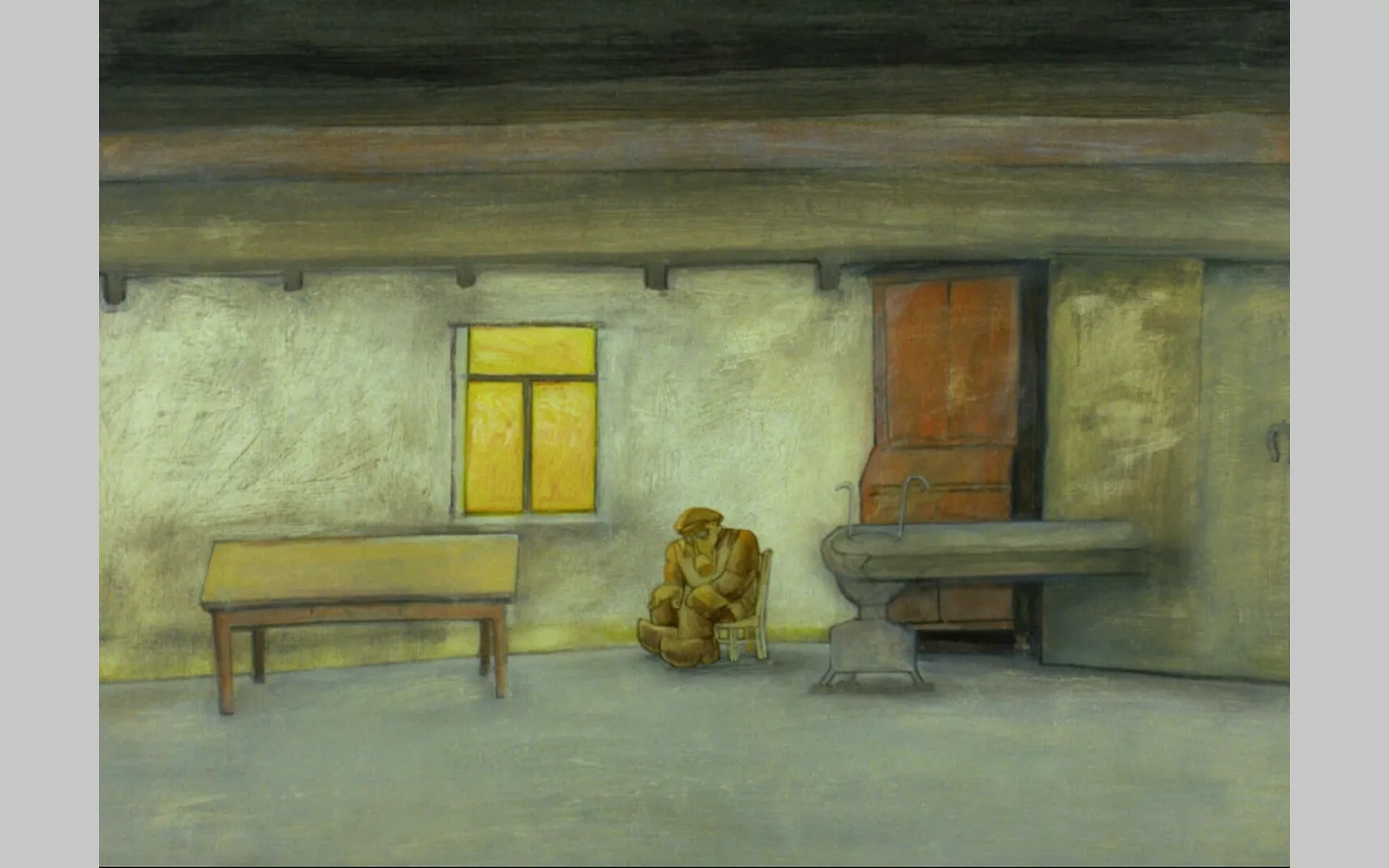
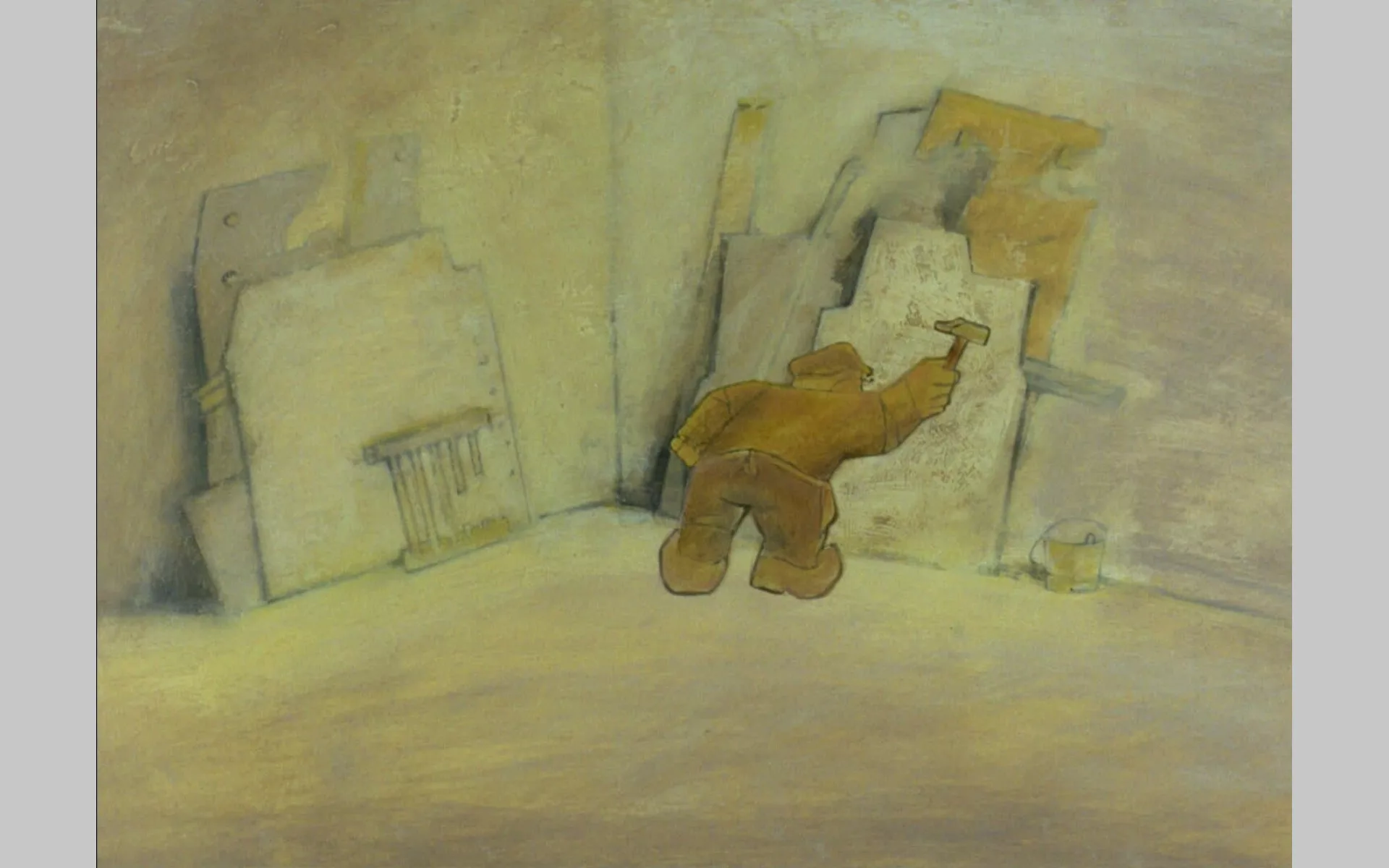
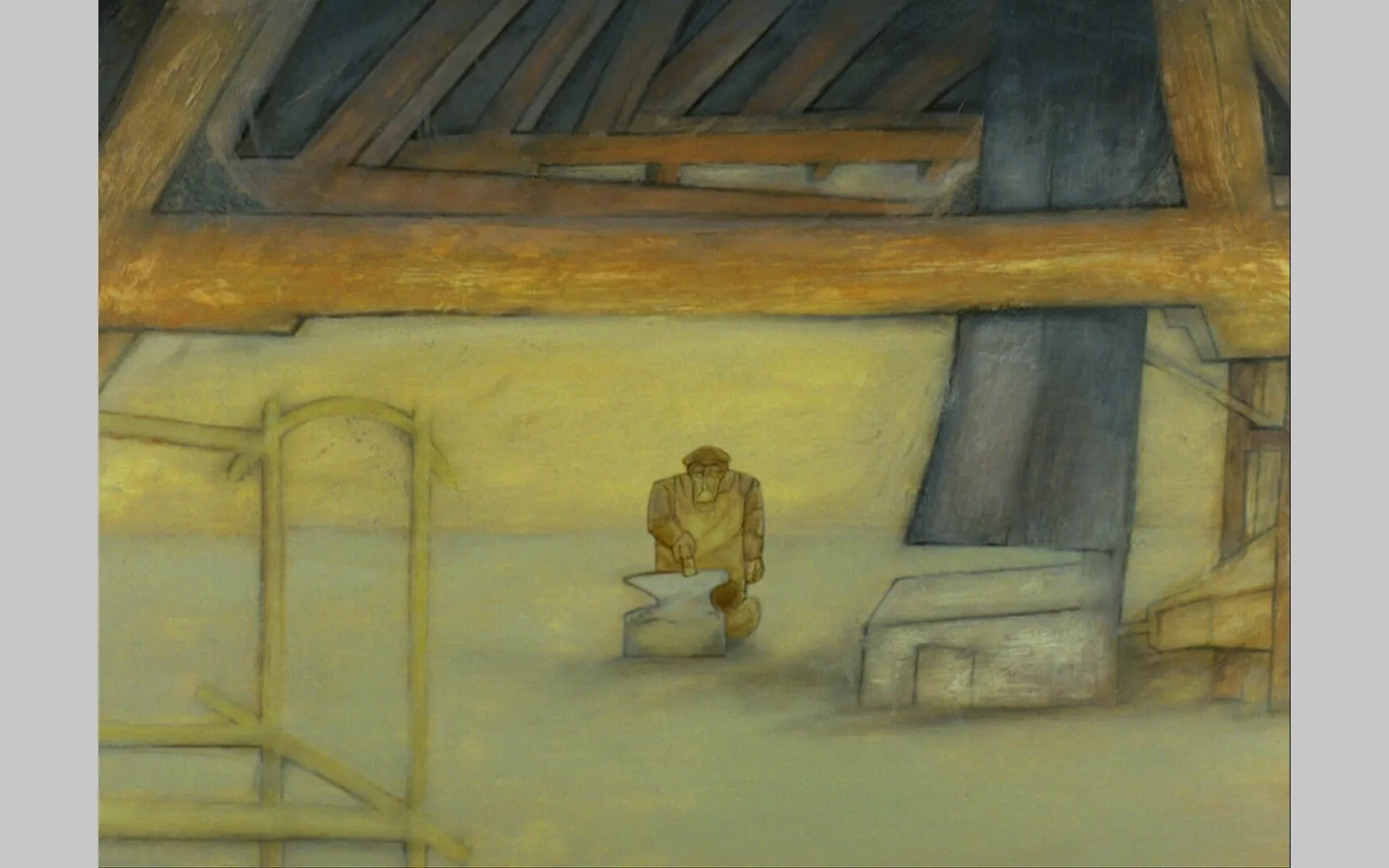
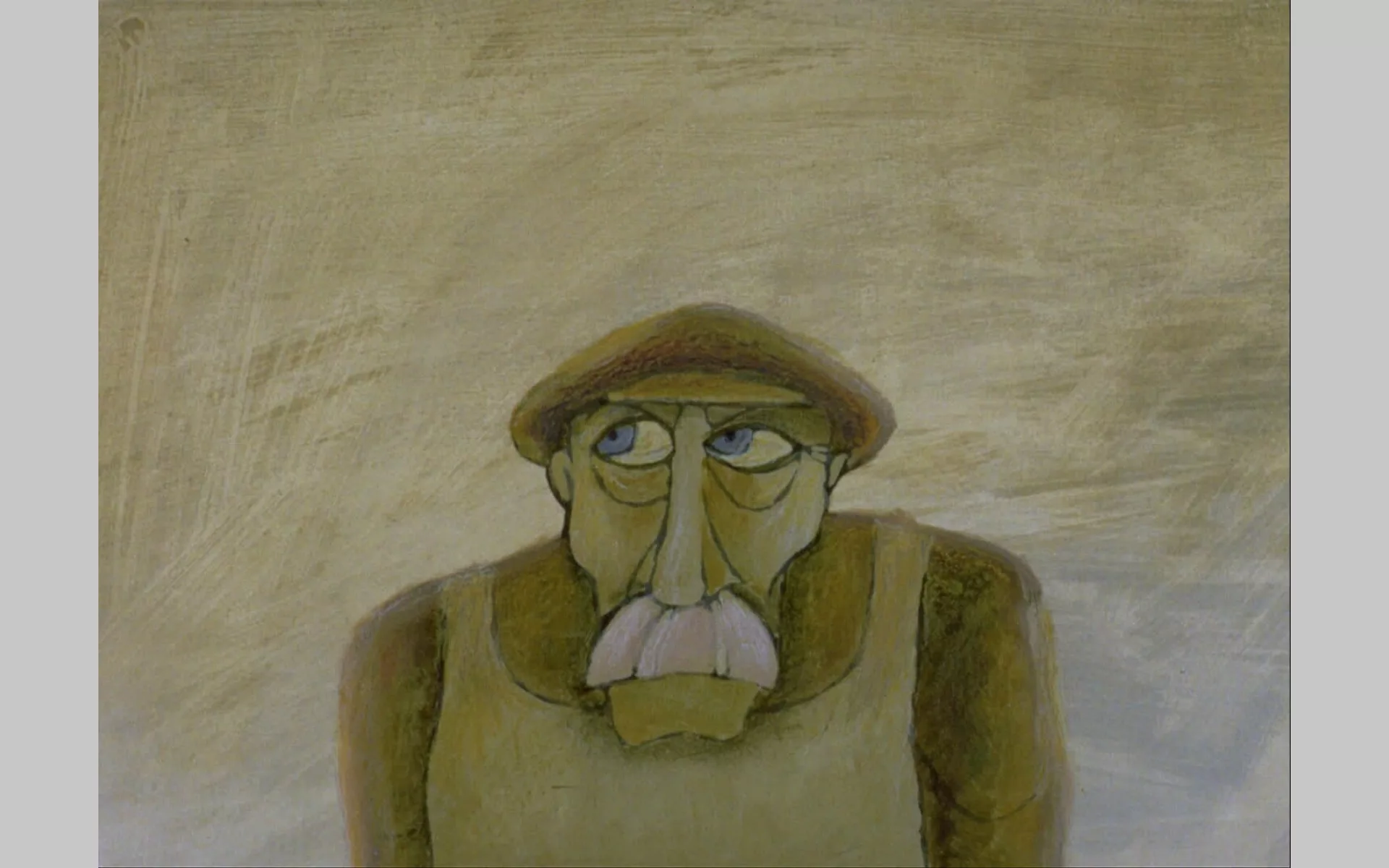
Pegasus
Raoul Servais, Belgium 1973 / Color / 8’29’’ / V: NO-DIALOGUE
An old blacksmith is now too old to adapt to the changing technological society. Frustrated, he creates his own universe in which he eventually also becomes obsolete.
“The rural aspects of the subject required an expressionistic approach in technique. The Laethem painting school from the turn of the 20th century brought lots of inspiration. The technique we developed was extremely time consuming.”
Screenwriter: Raoul Servais
Animation: Willy Verschelde
Director of Photography: Raoul Servais, Étienne Debruyne
Production: Pen Film
Musical composition: Lucien Goethals
Sound Design: Roger Defays
Production designer: Norbert Deseyn
Het lied van Halewyn
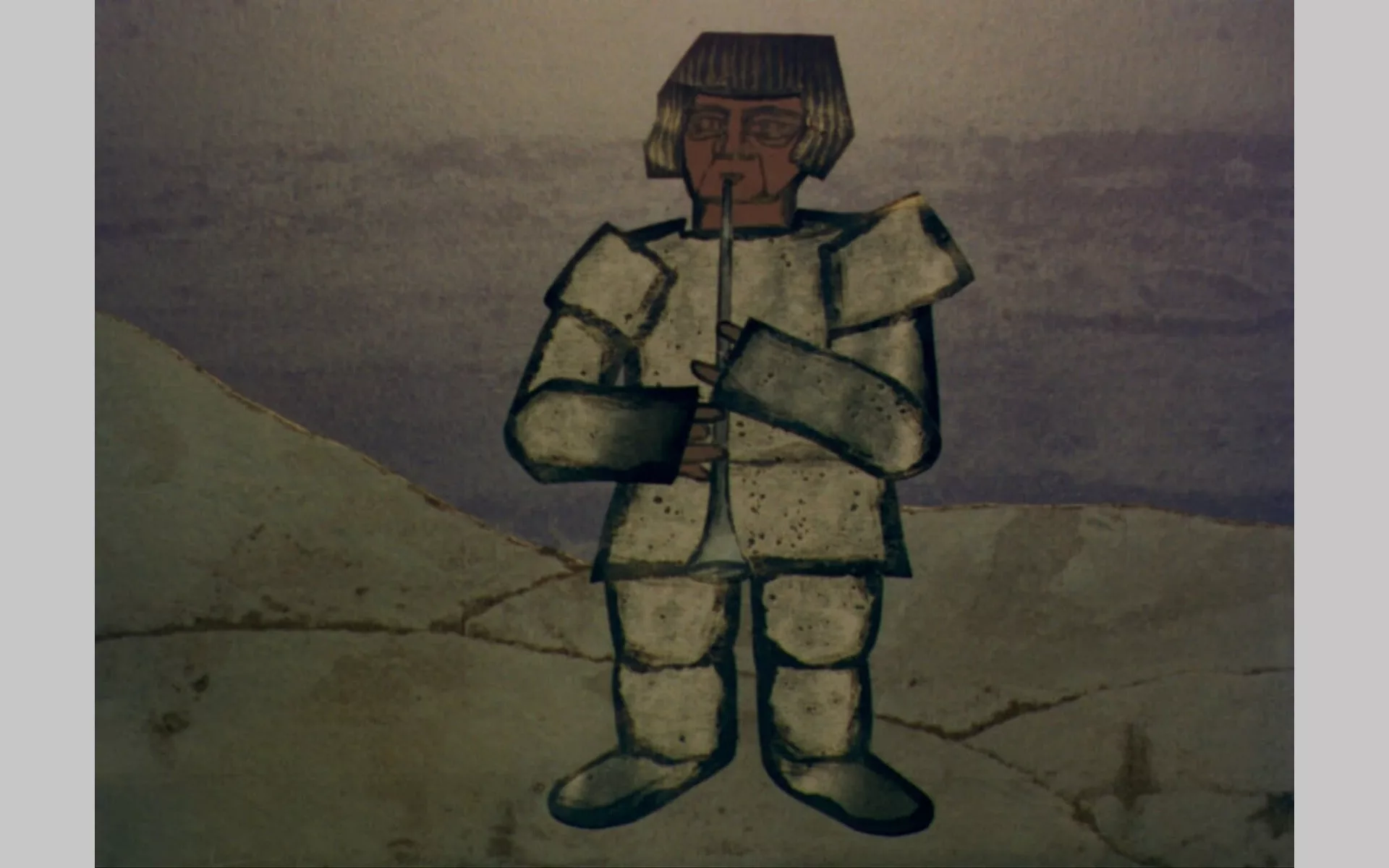
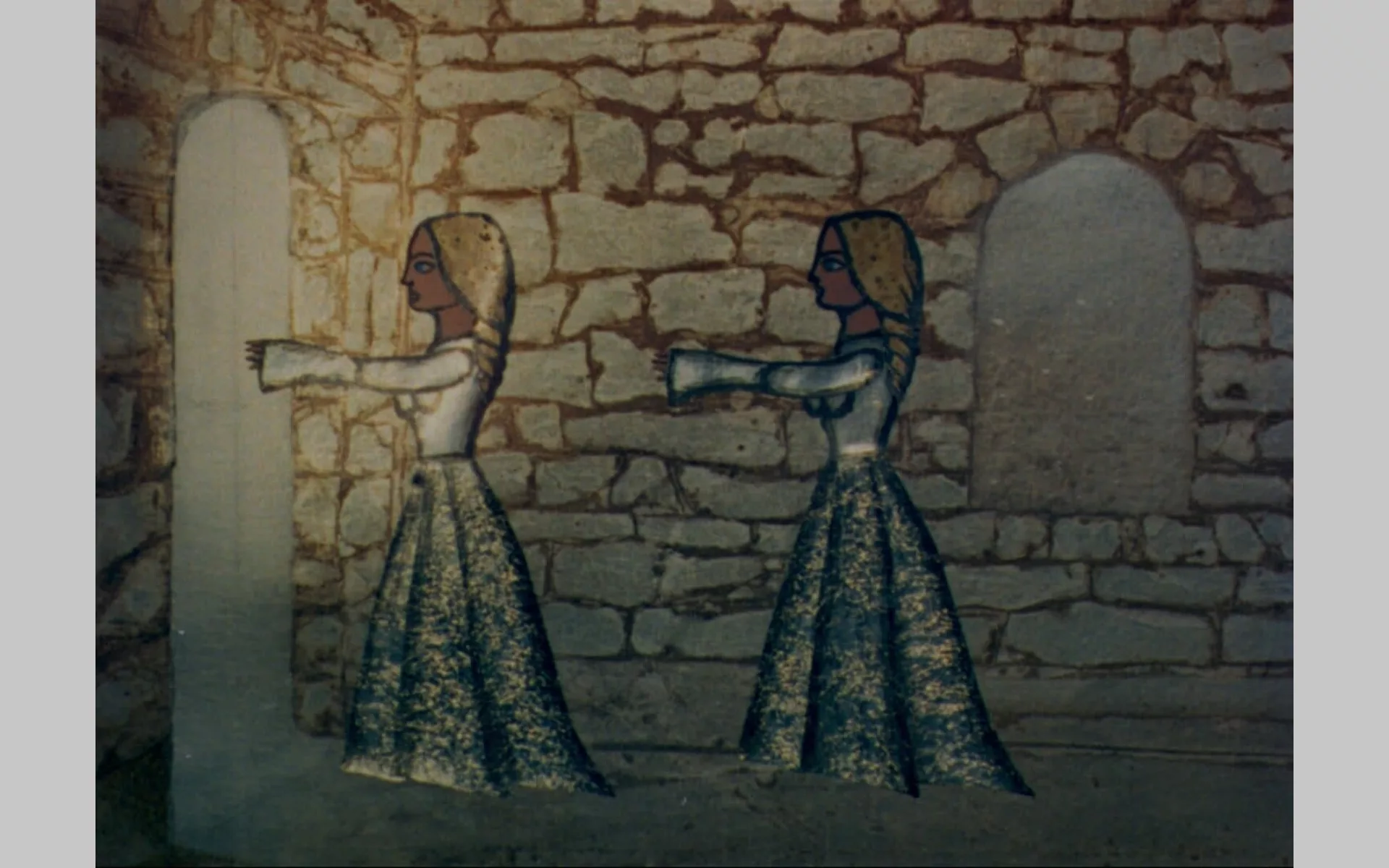
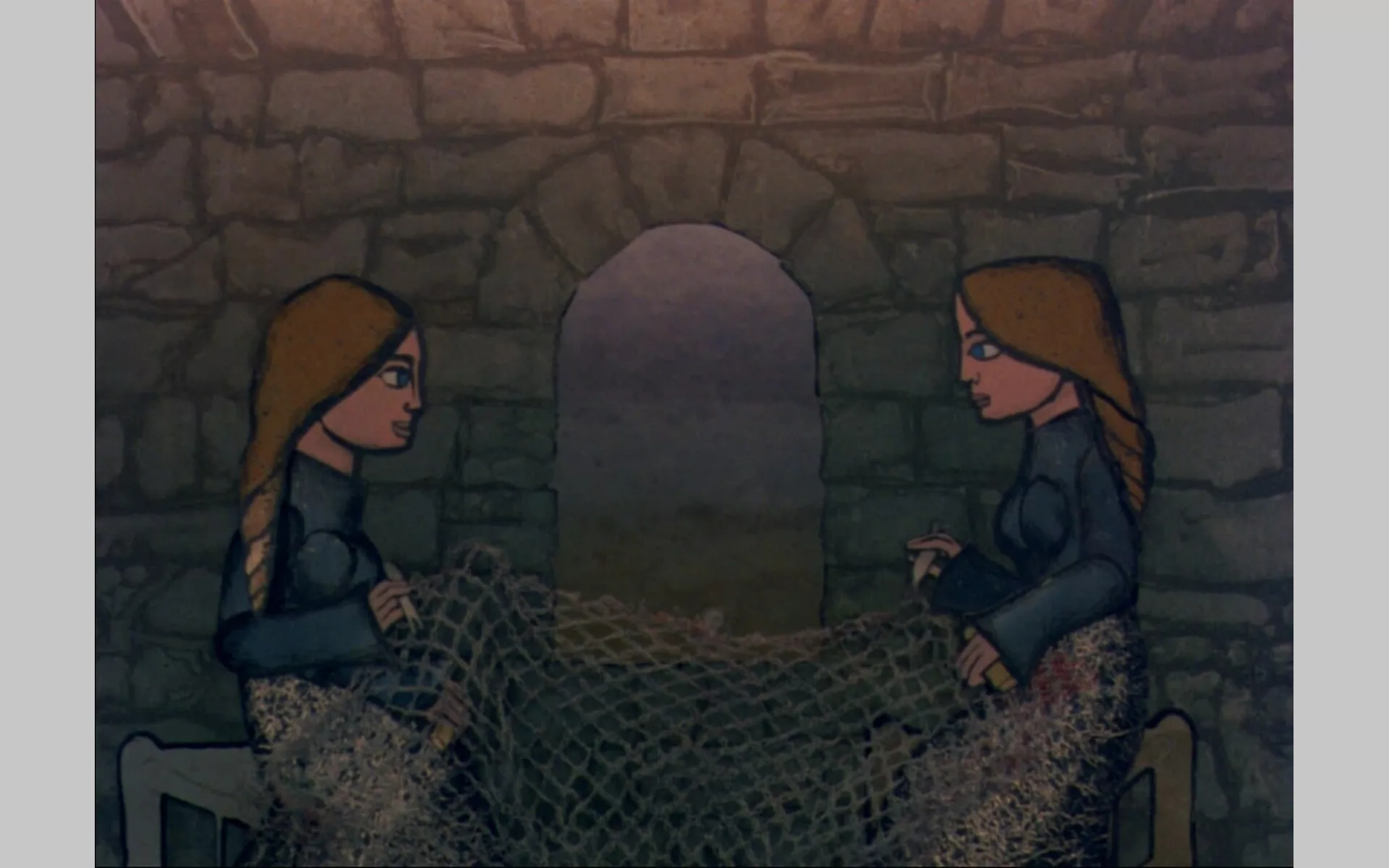
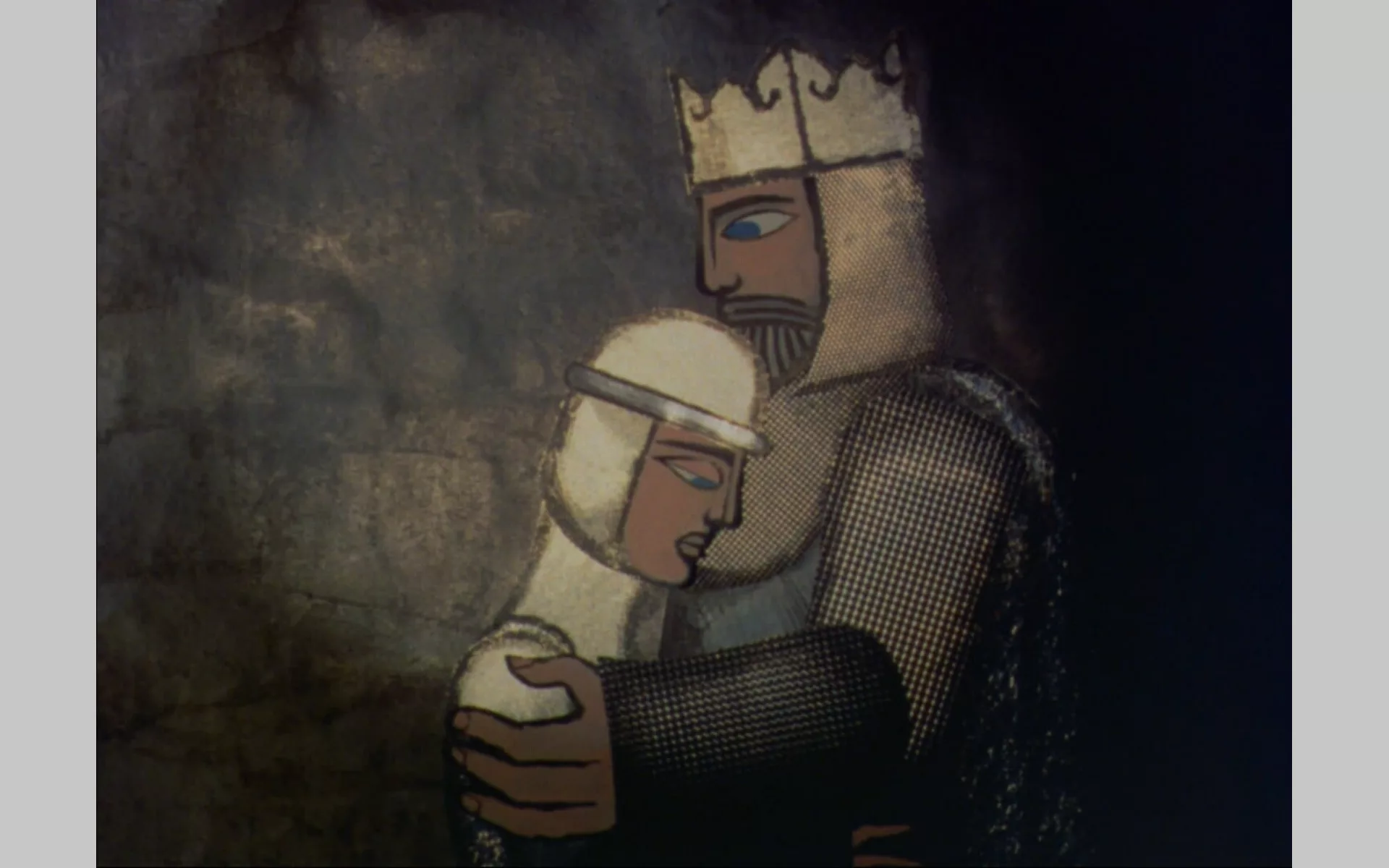
Halewyn’s Song
Het lied van Halewyn
Raoul Servais, Belgium, Italy 1976 / Color / 12’ / V: NO-DIALOGUE
Sir Halewyn’s magical song lures girls from afar to his gloomy forest, from where no-one ever returned. Based on a medieval song. This commissioned film was executed in cut-out animation.
“Suzanne Maes made the beautiful backgrounds. We used metal foil for the knight’s armour. Unfortunately, the Italian commissioner did not like the bloodiness of the story, so we were obliged to make a much softer version than I would have liked.”
Screenwriter: Raoul Servais
Animation: Veronique Steeno
Production: Luna Film, Corona Cinematografica
Musical composition: Benedetto Gighlia
Production designer: Suzanne Maes
Harpya
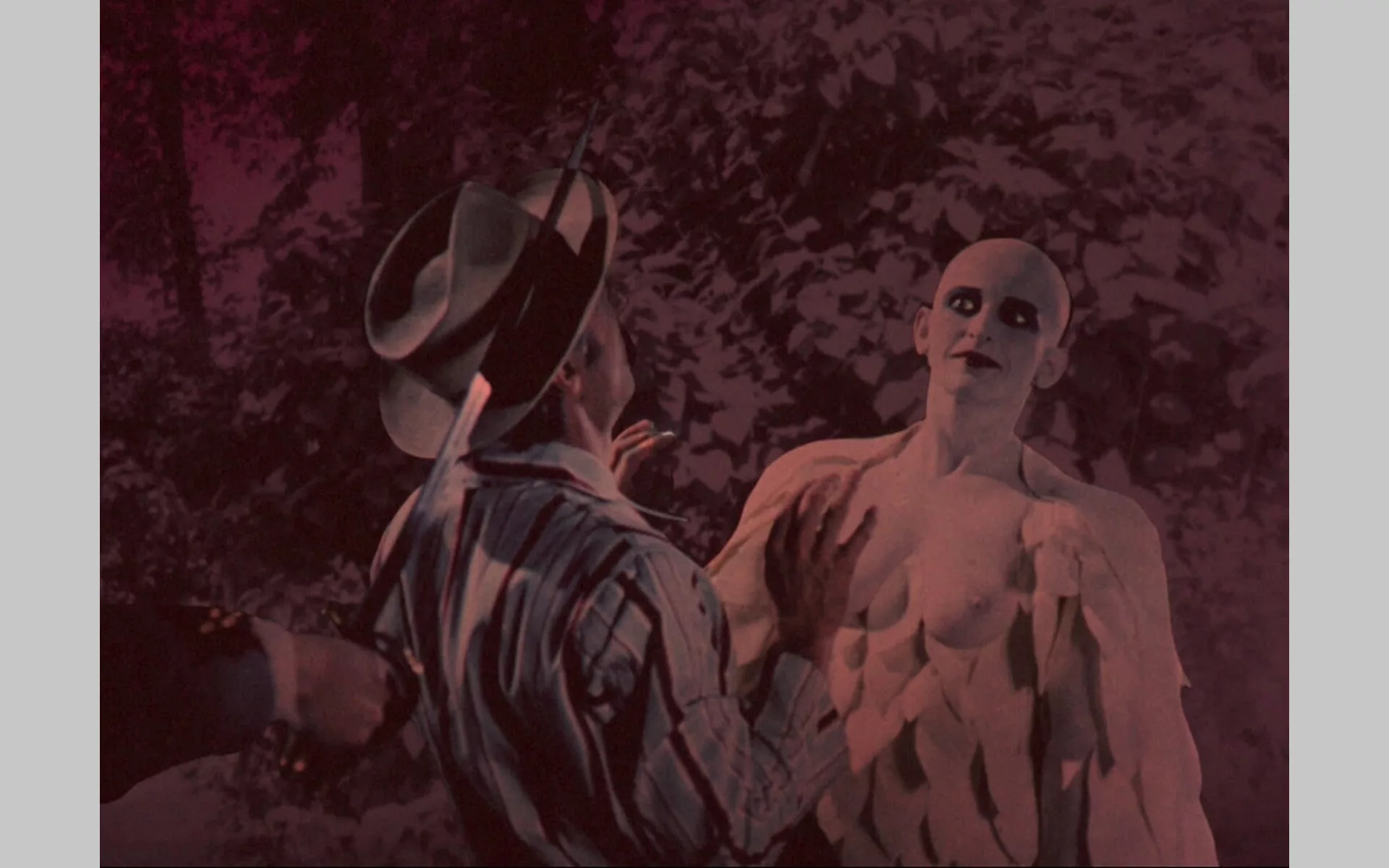
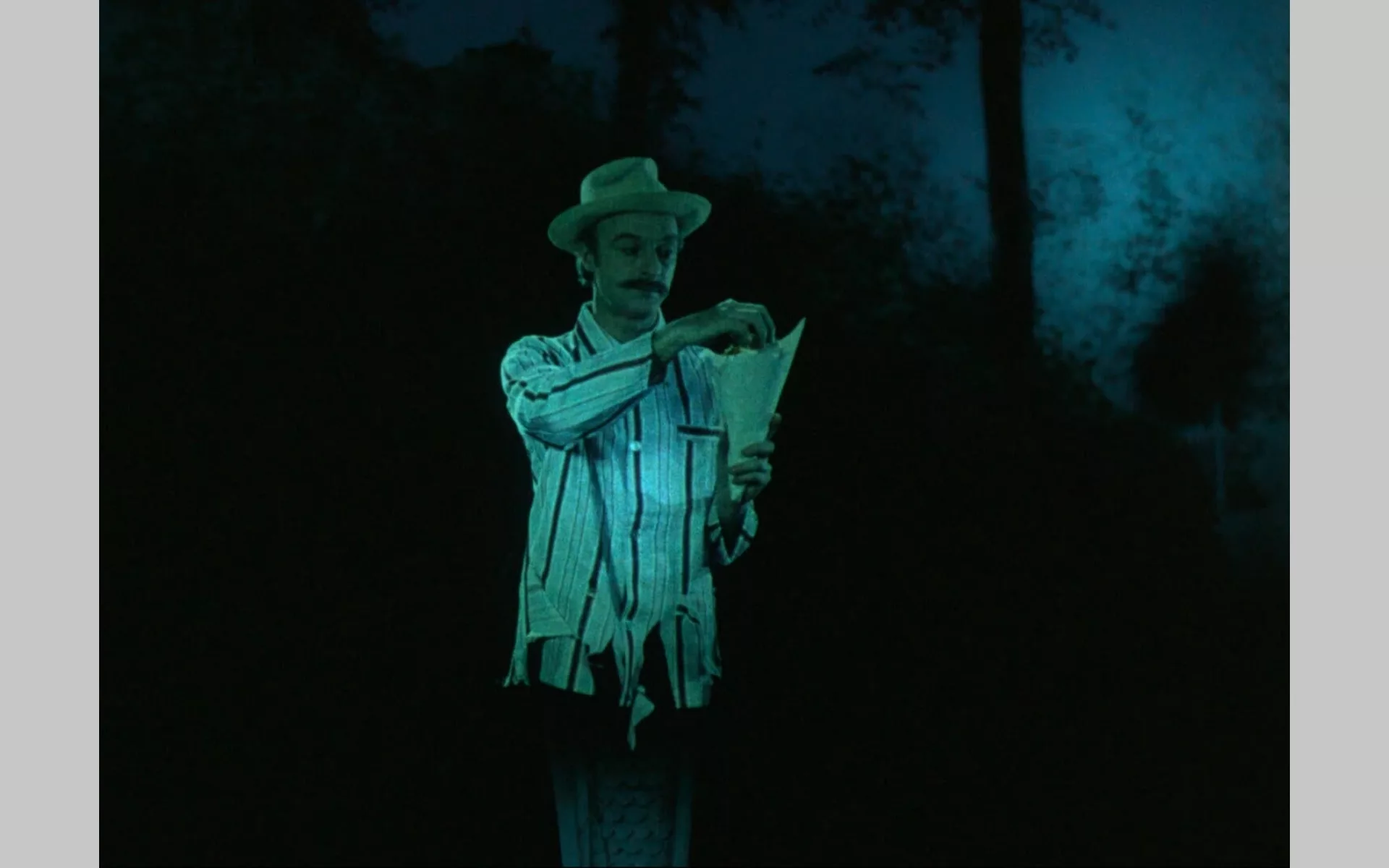
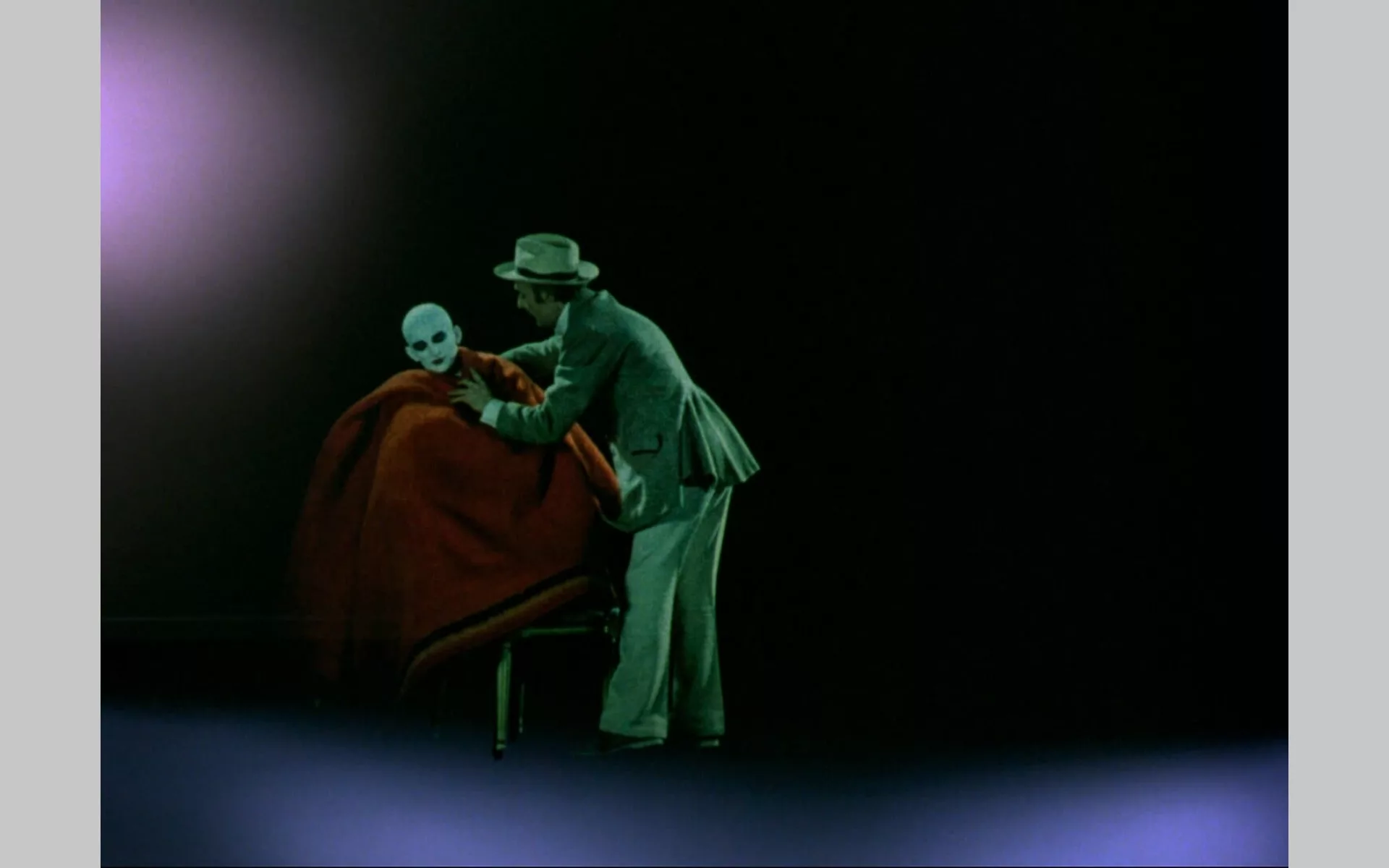
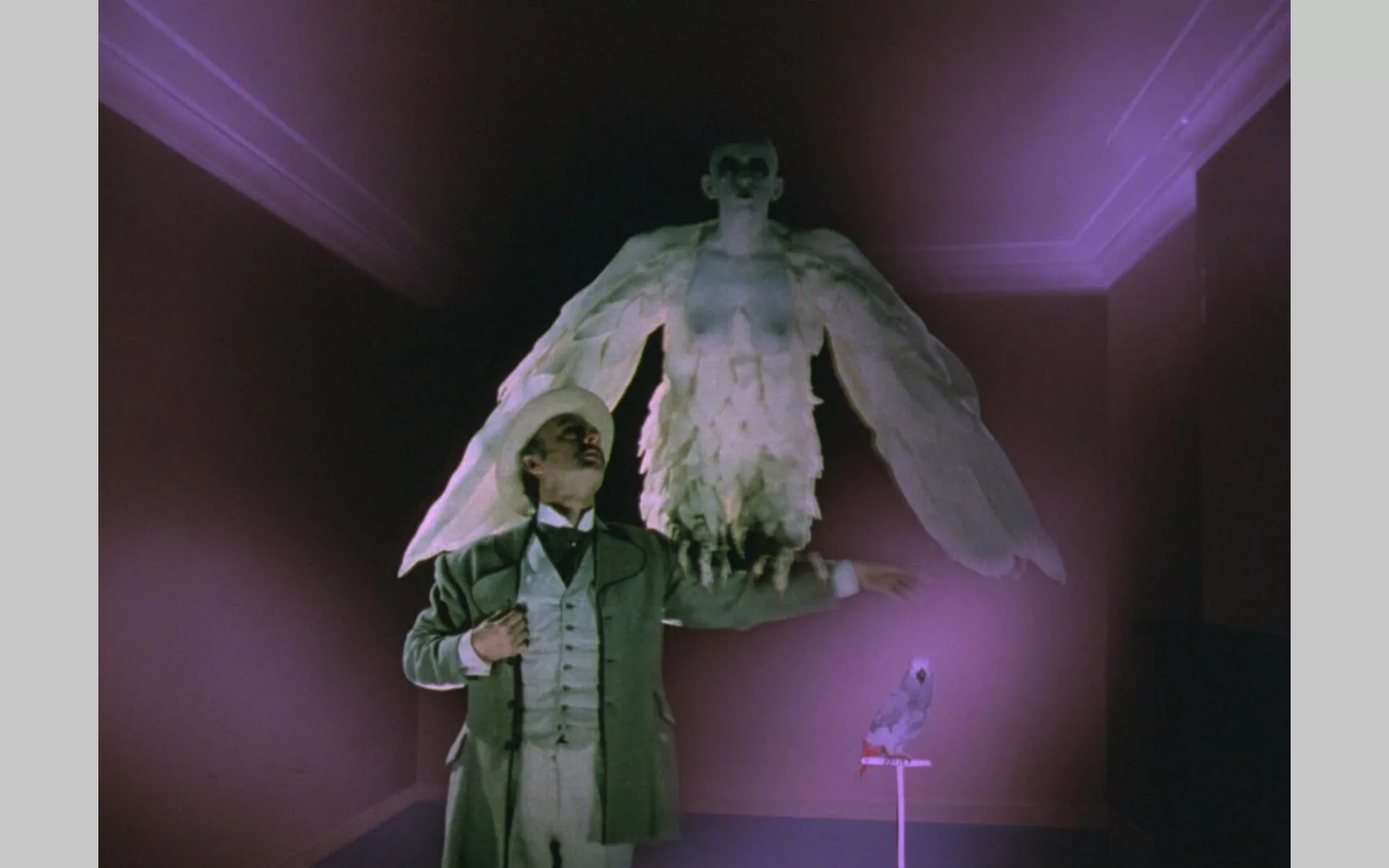
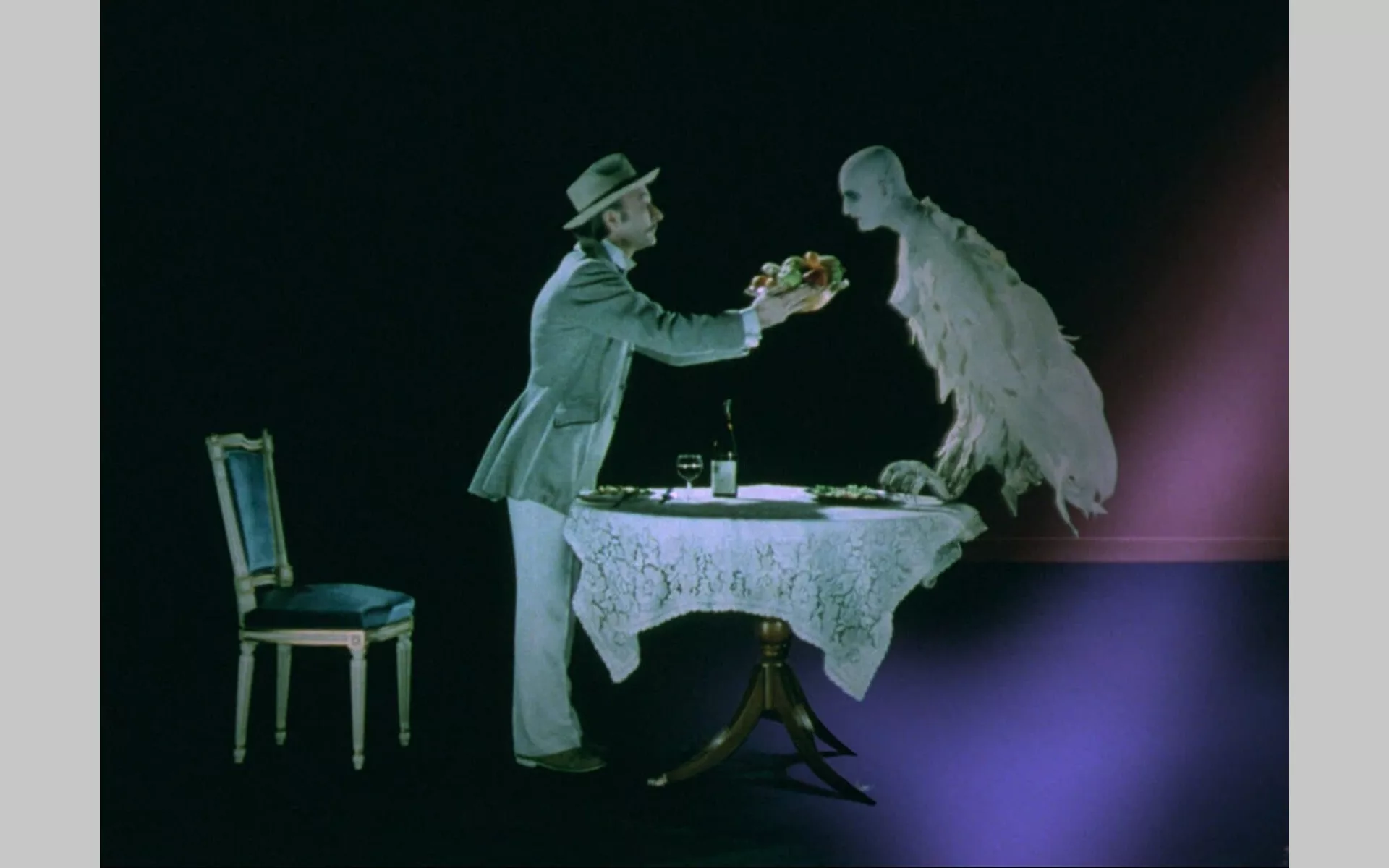
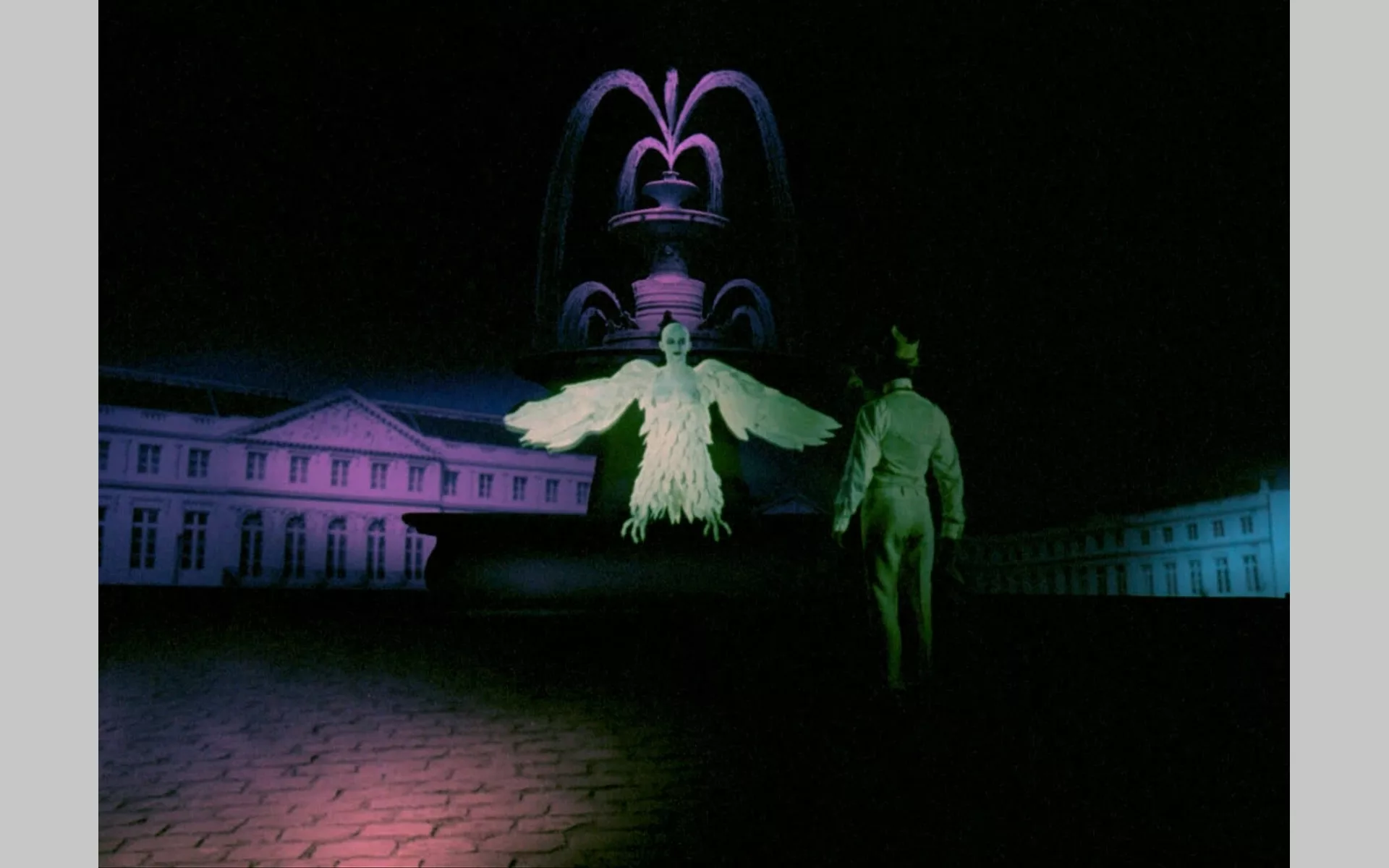
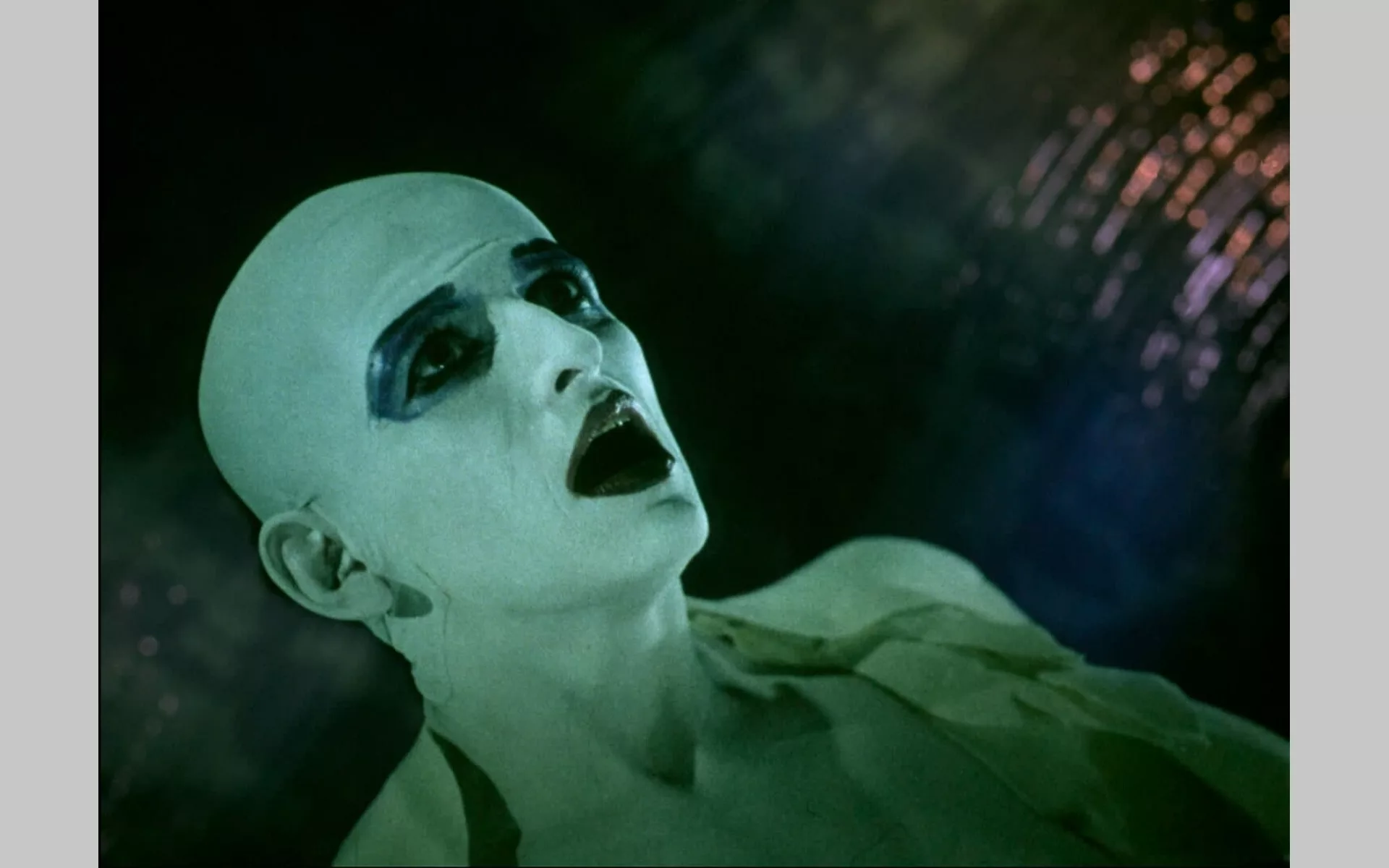
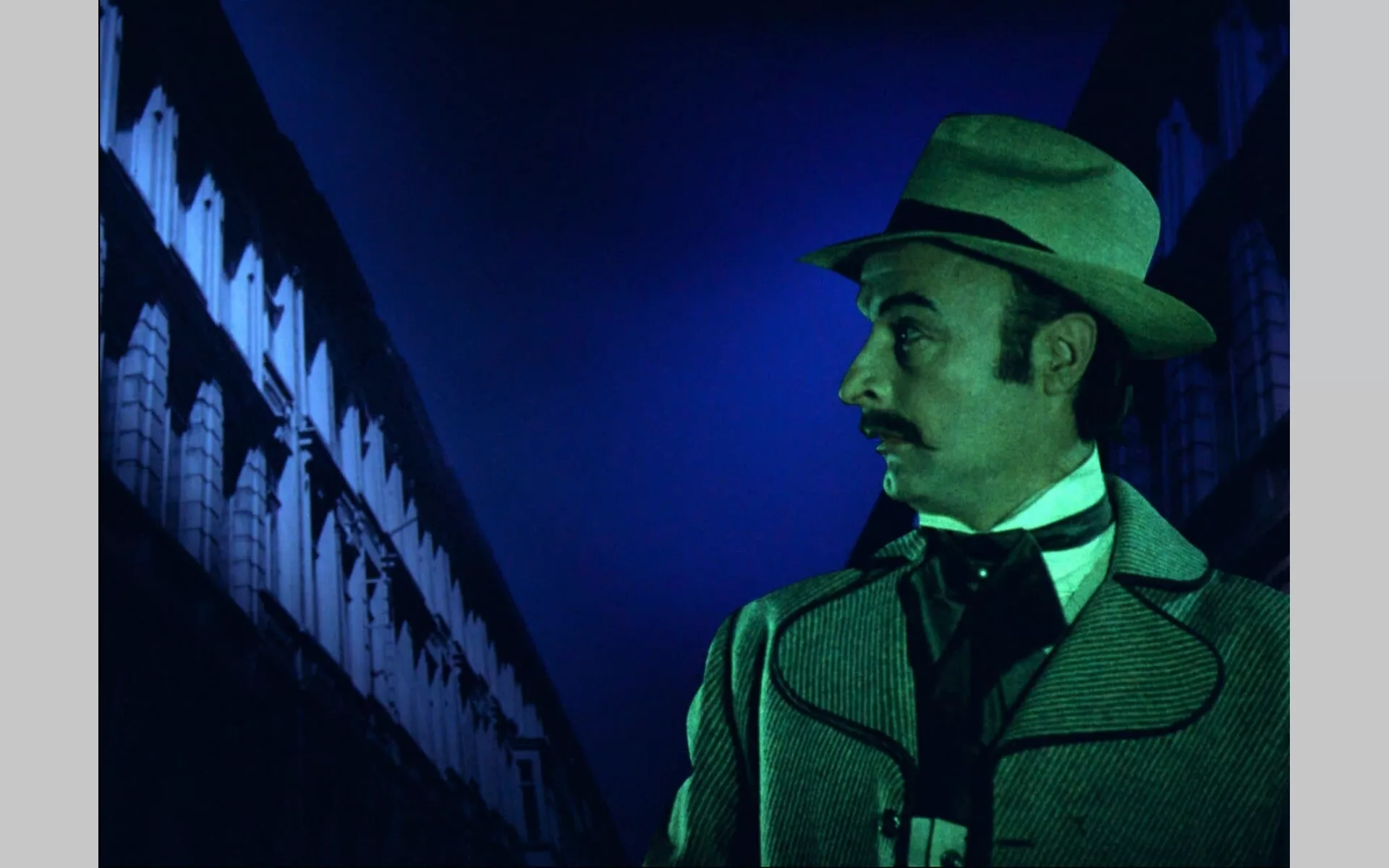
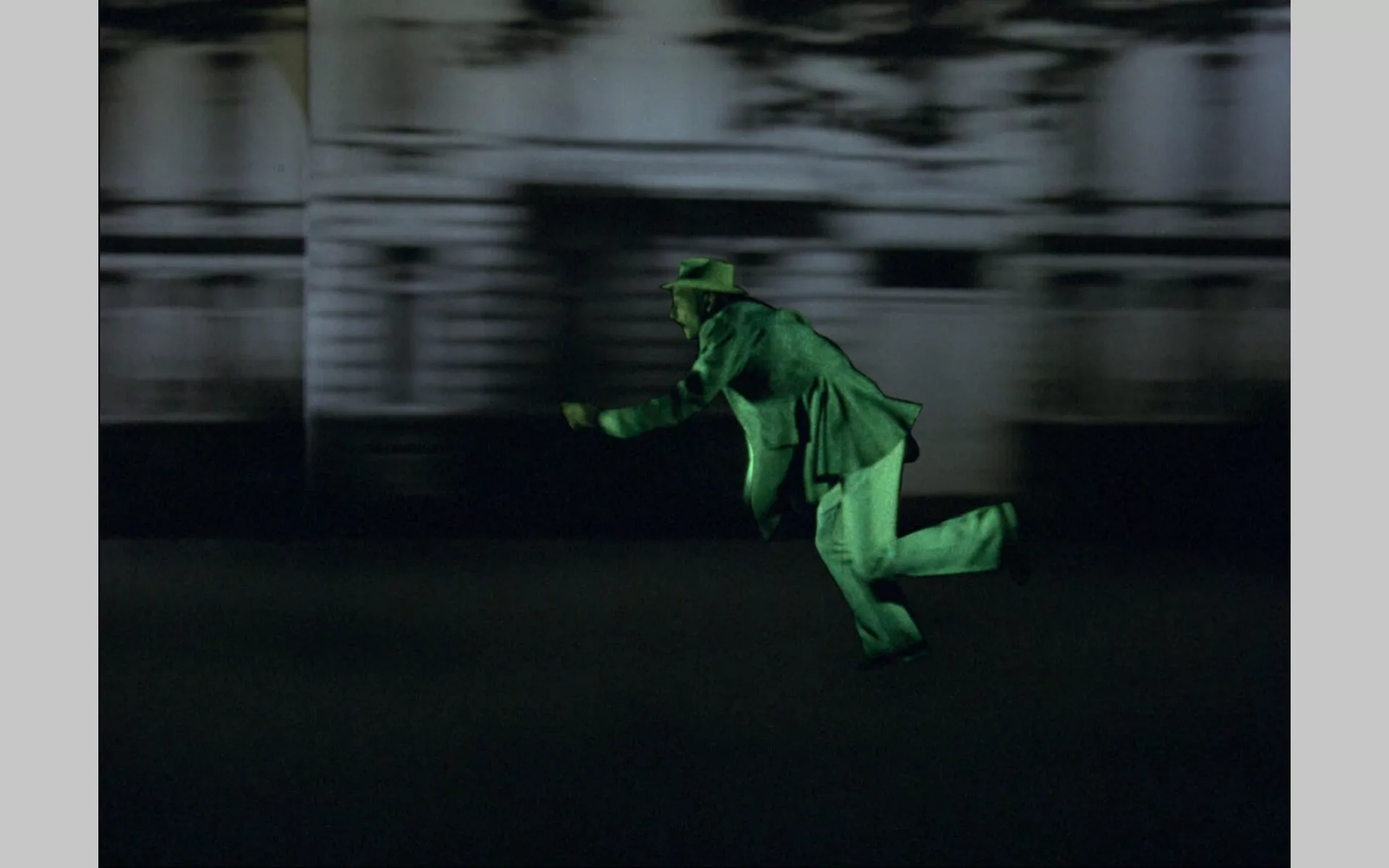
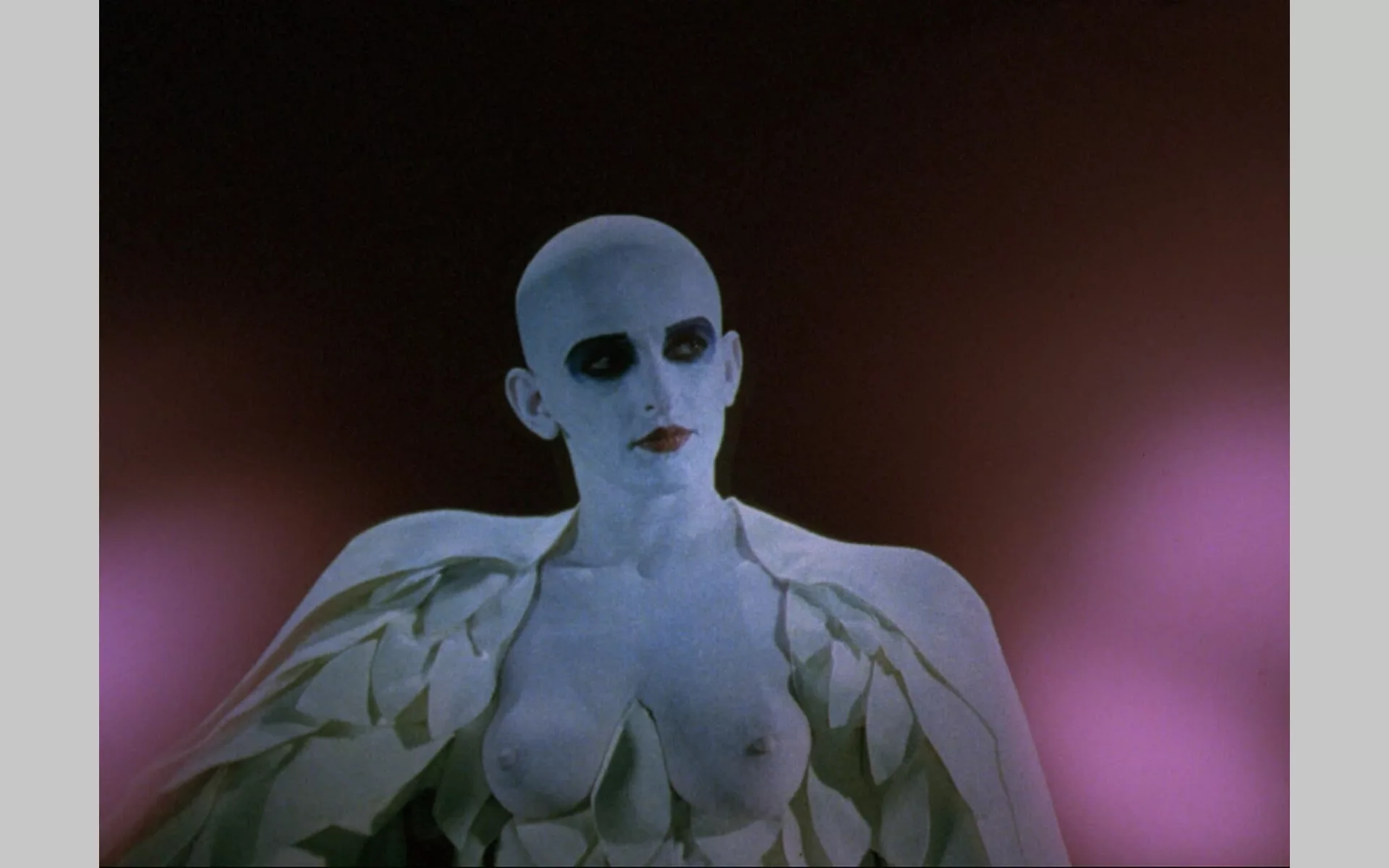
Harpya
Raoul Servais, Belgium 1979 / Color / 9’ / V: NO-DIALOGUE
During his evening walk Mister Oscar witnesses an assault. He is very surprised to see that it is the work of a genuine harpy. He wants to find out more, which is not without danger.
“Harpya was my first attempt to combine live action images with animation. The live actors had to be incorporated in graphical backgrounds, for which I had to invent my own technique at the time. The result was rather satisfying, but very time consuming, because it really was limited to a one person’s job. I guess Harpya will remain the only film ever made in this technique.”
Screenwriter: Raoul Servais
Animation: Raoul Servais
Director of Photography: Walter Smets
Cast: Fran Waller Zeper, Will Spoor, Sjoert Schwibethus
Production: Absolon Films
Musical composition: Lucien Goethals
Production designer: Raoul Servais
Costumes: Jeanne Sels, Fernand Boudens
Nachtvlinders
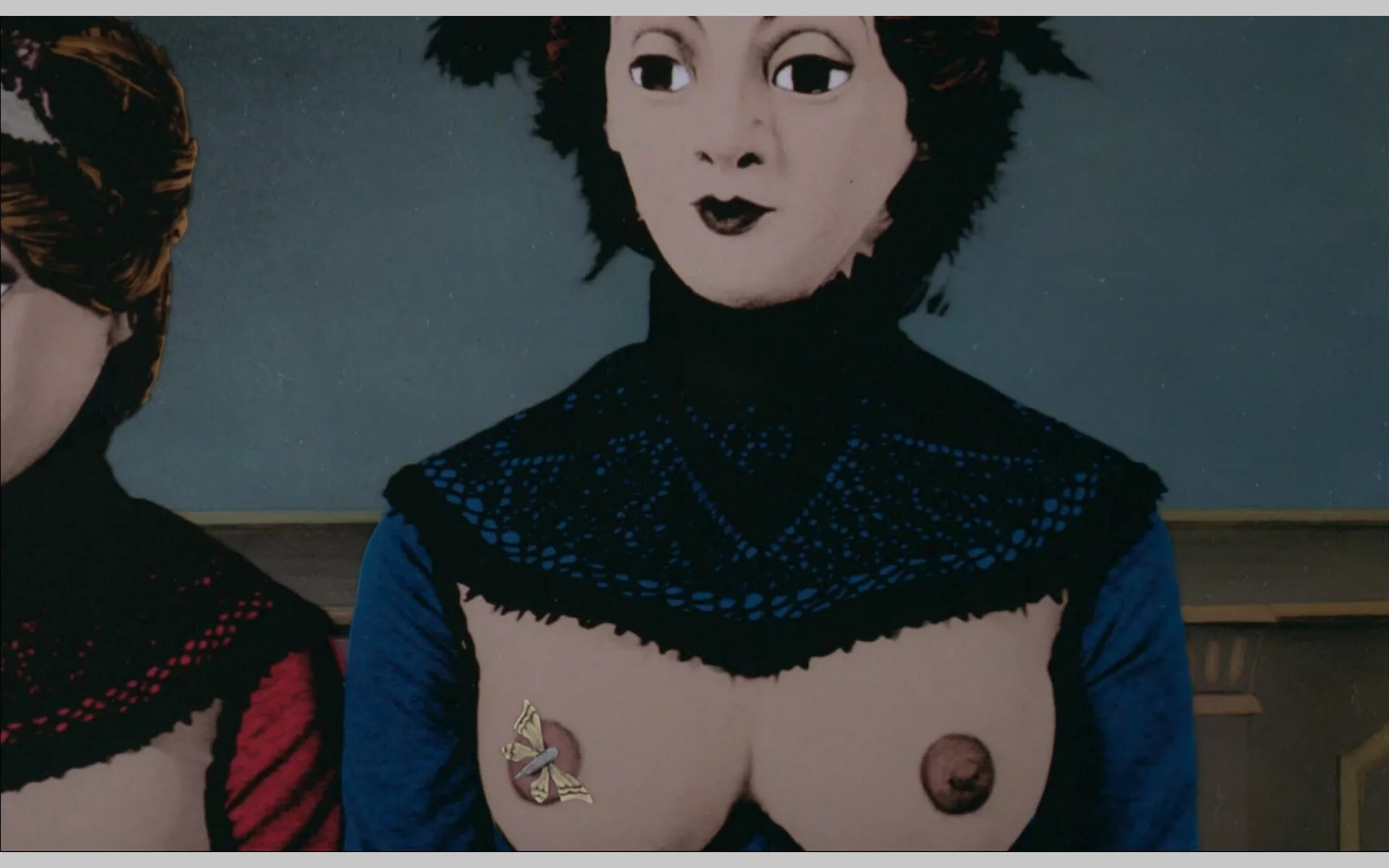
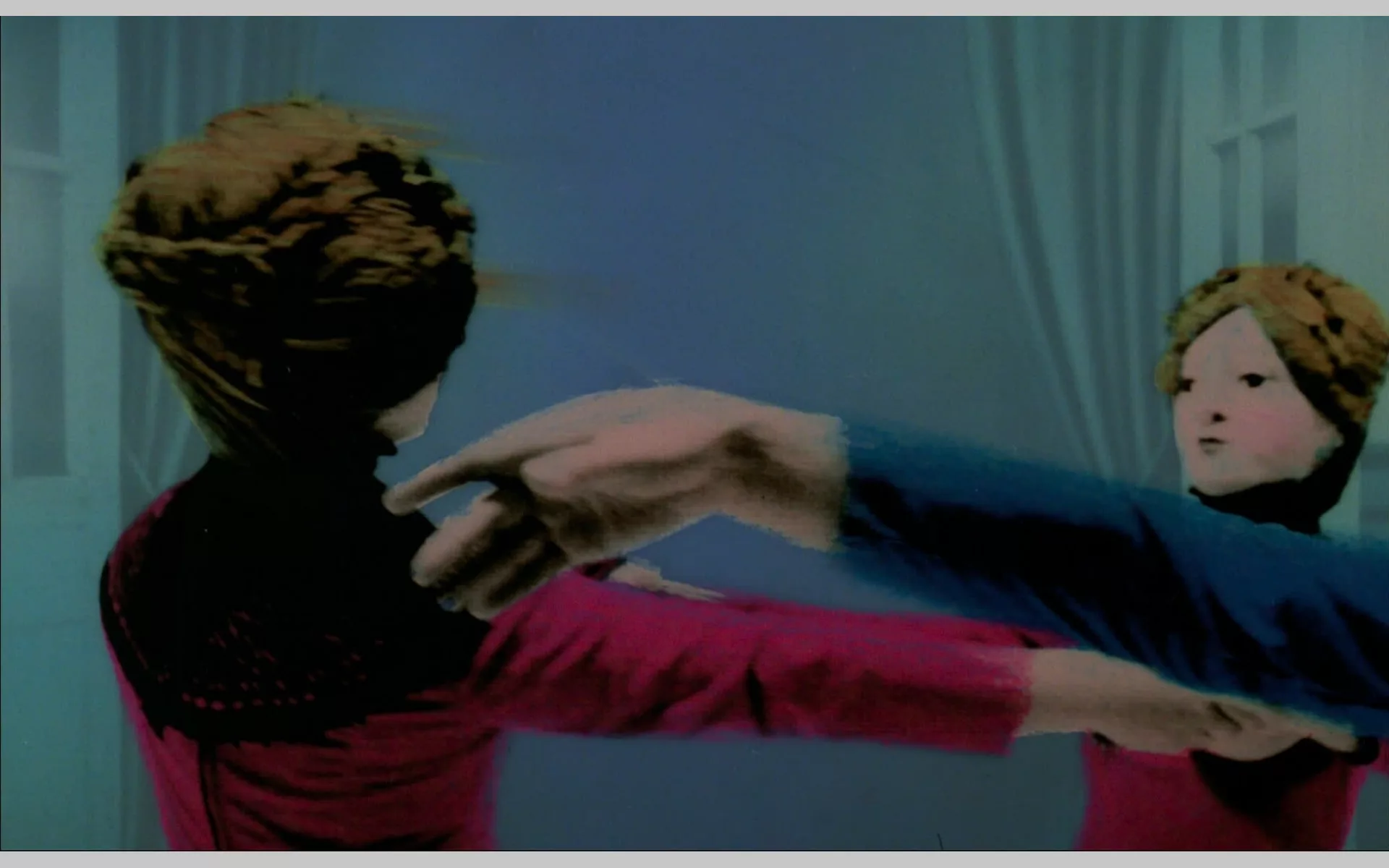
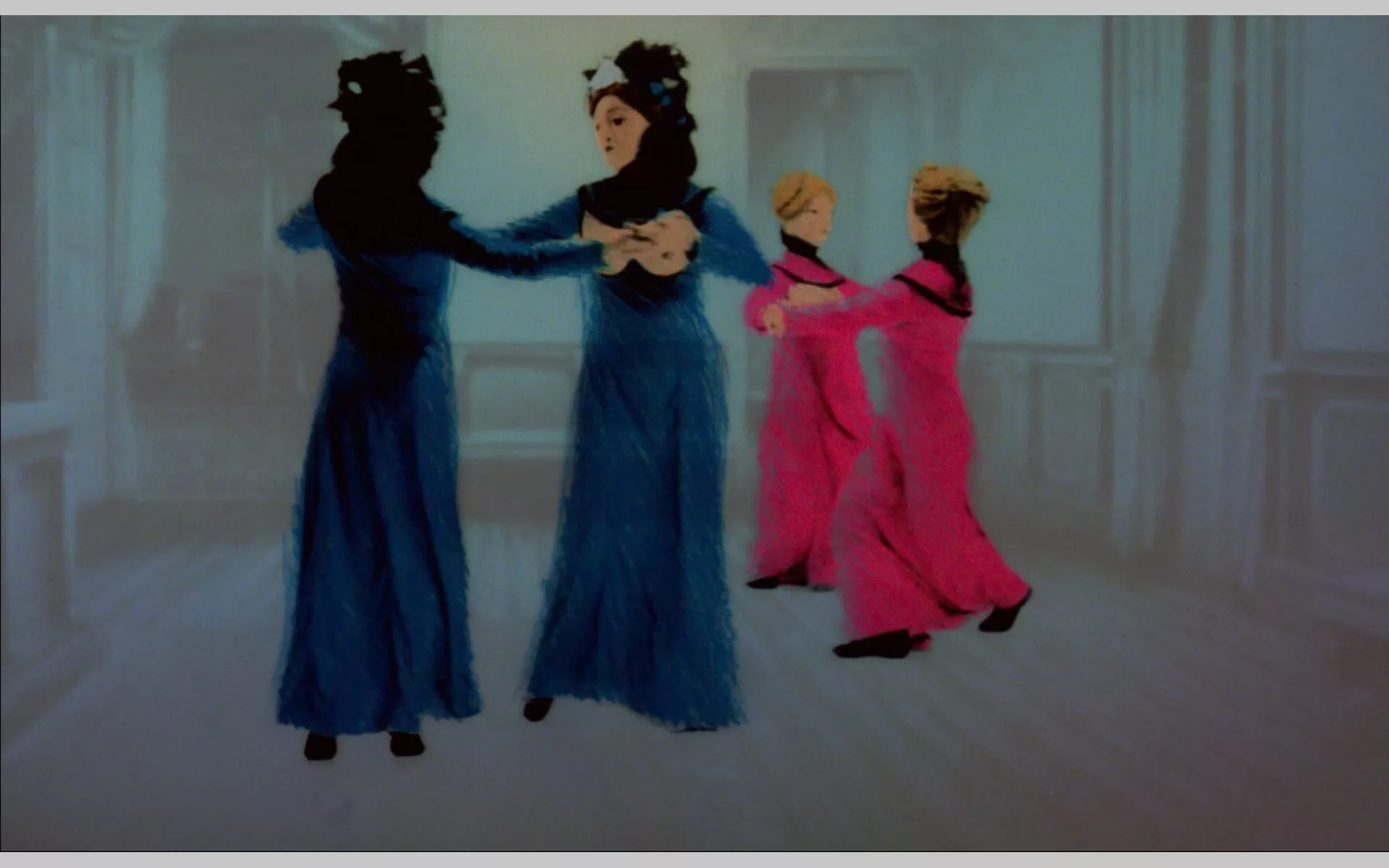
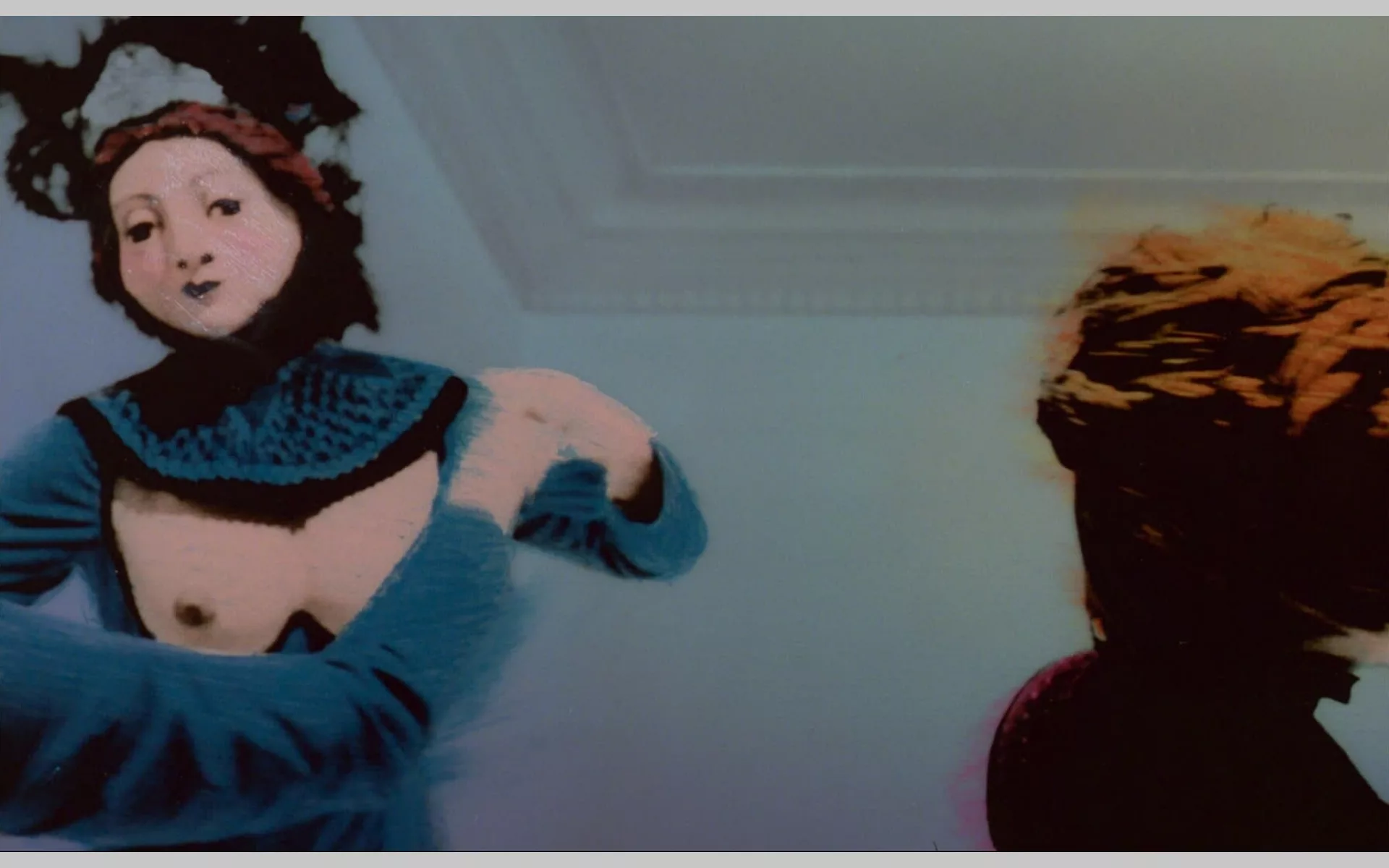
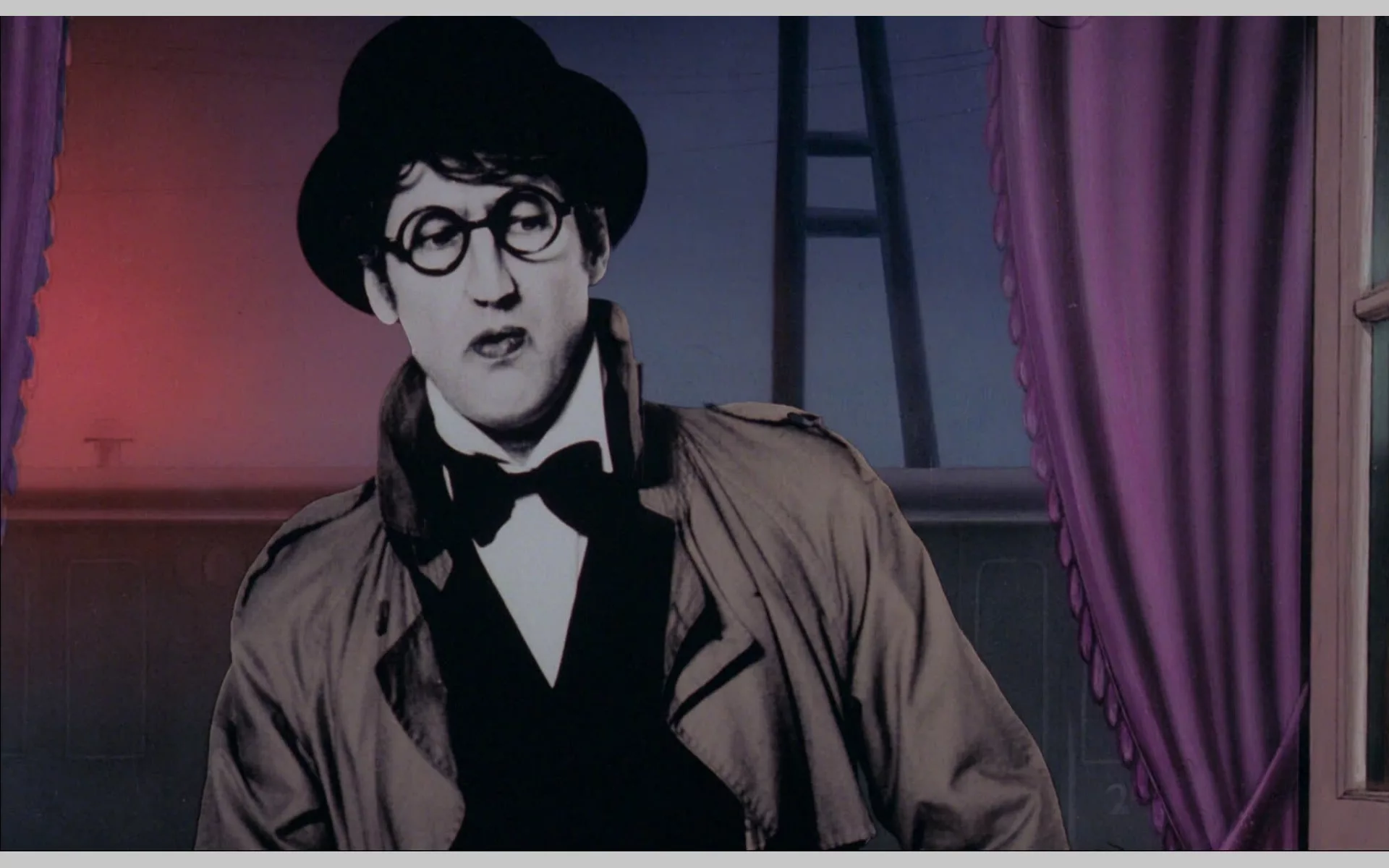
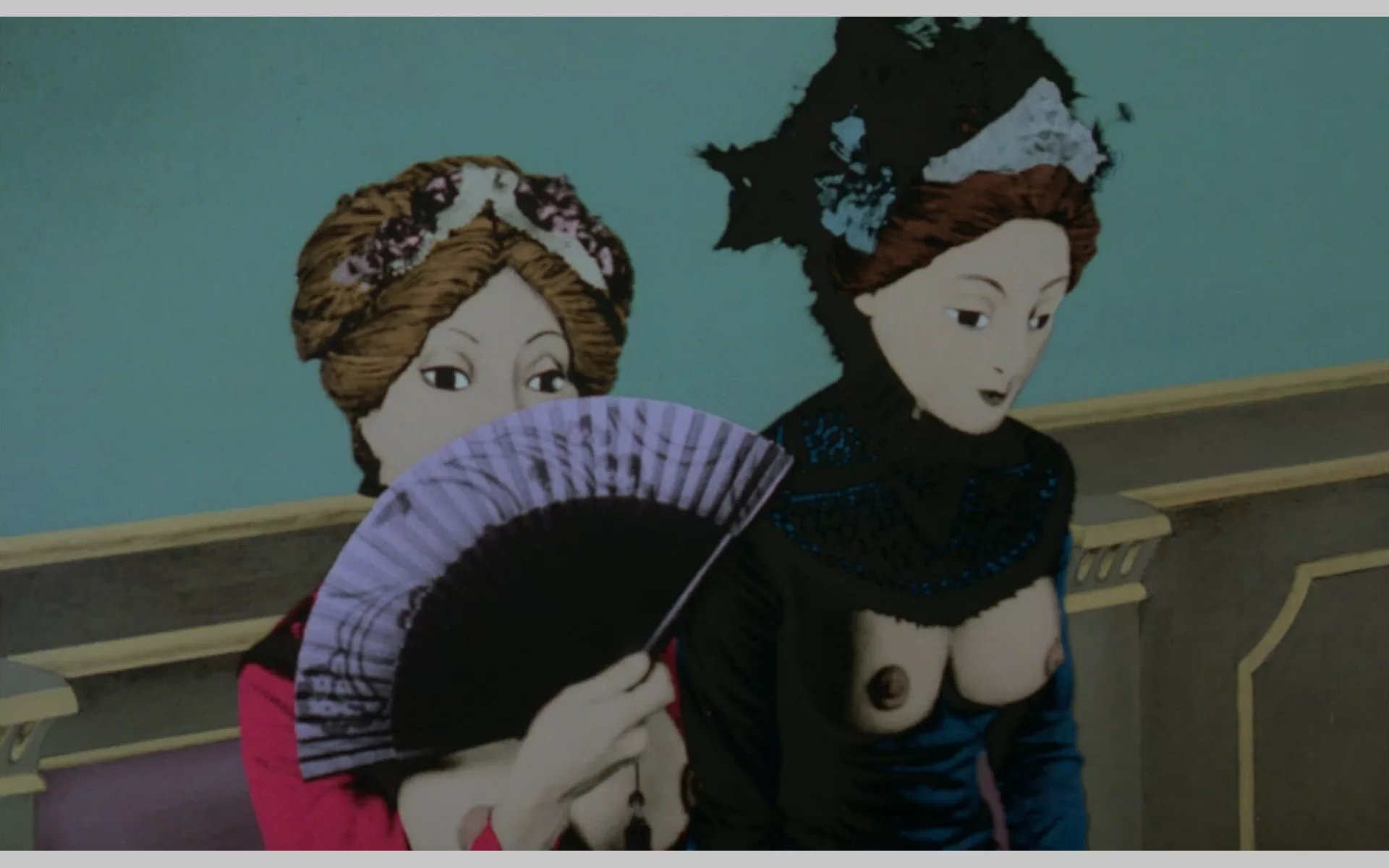
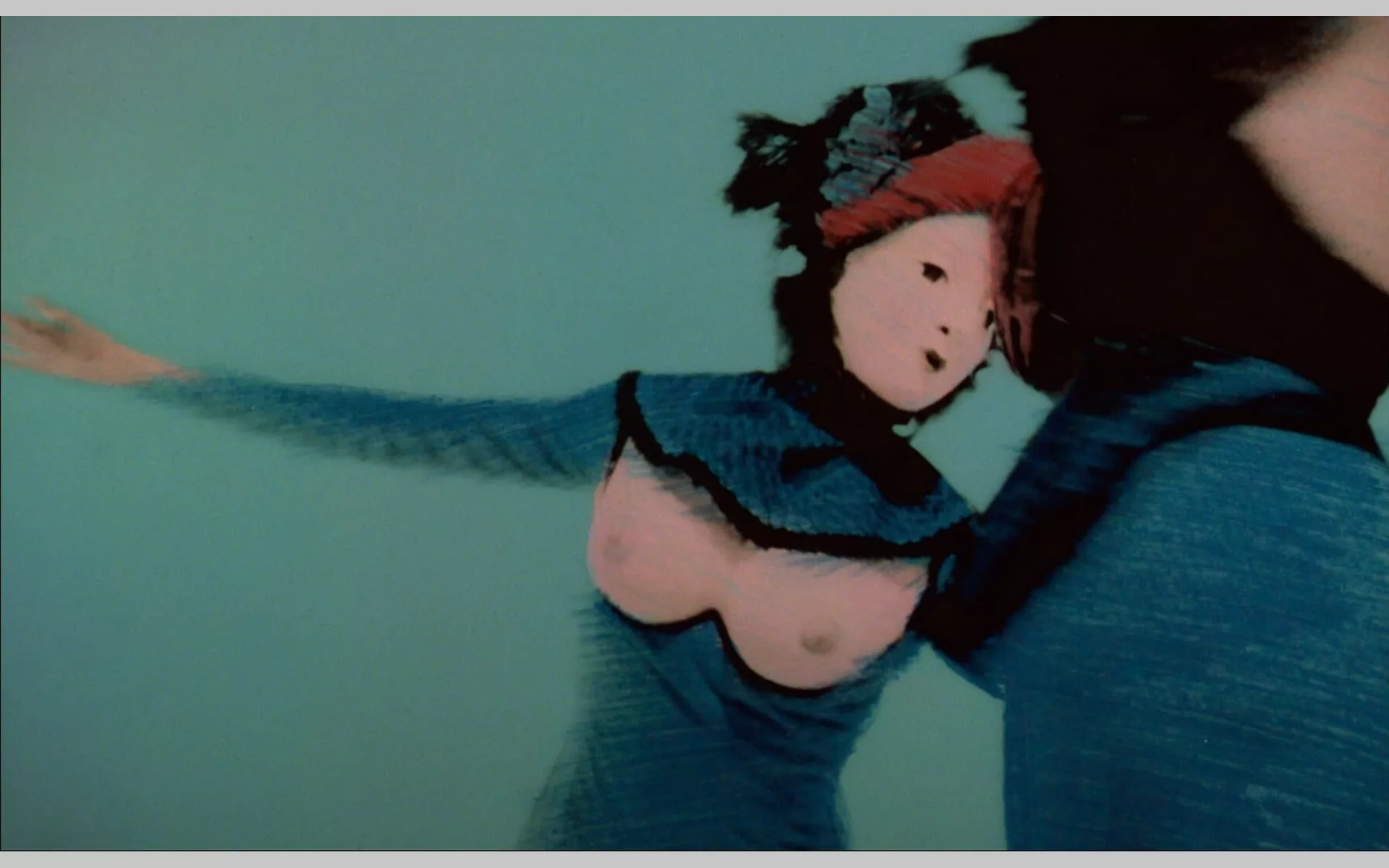
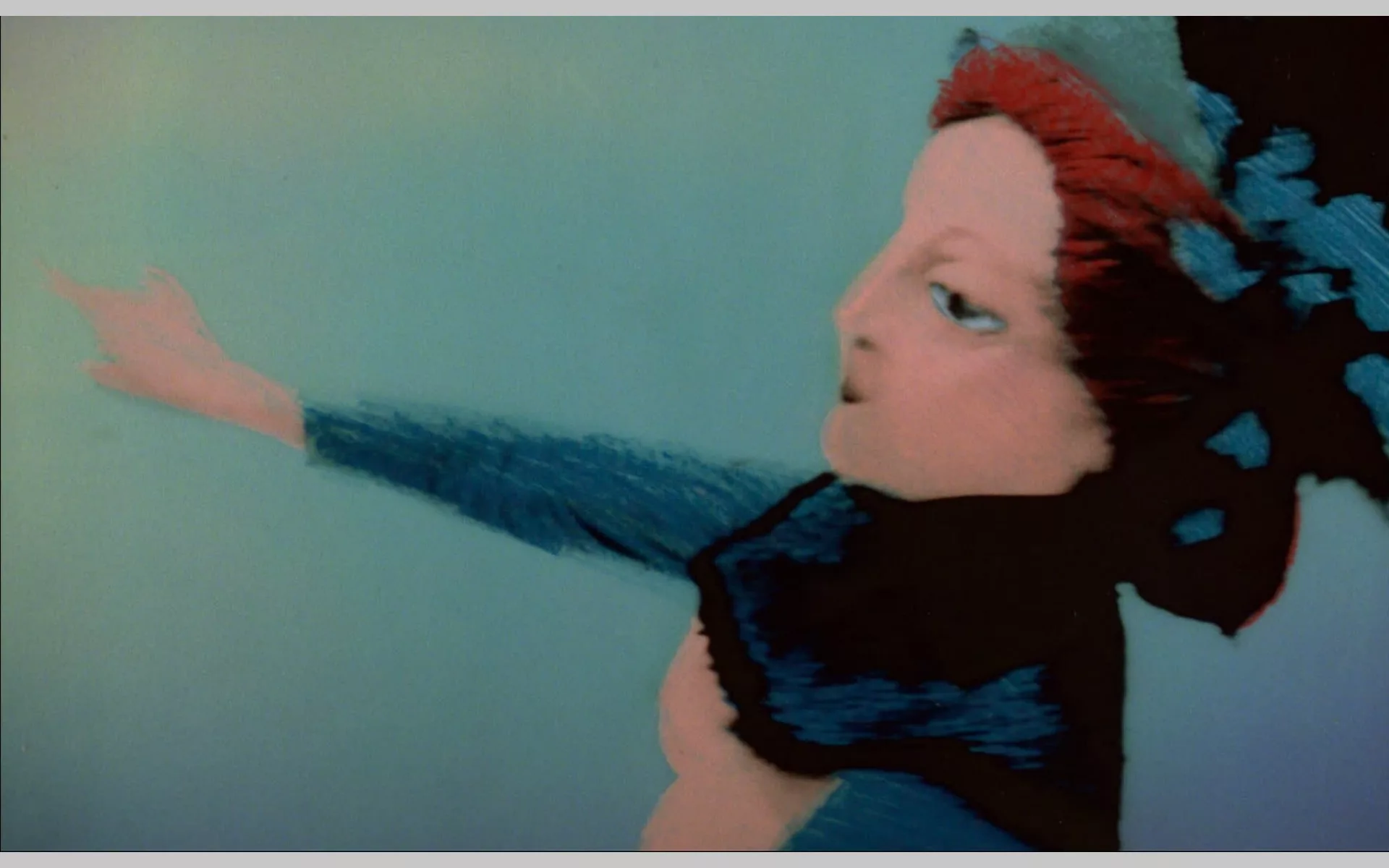
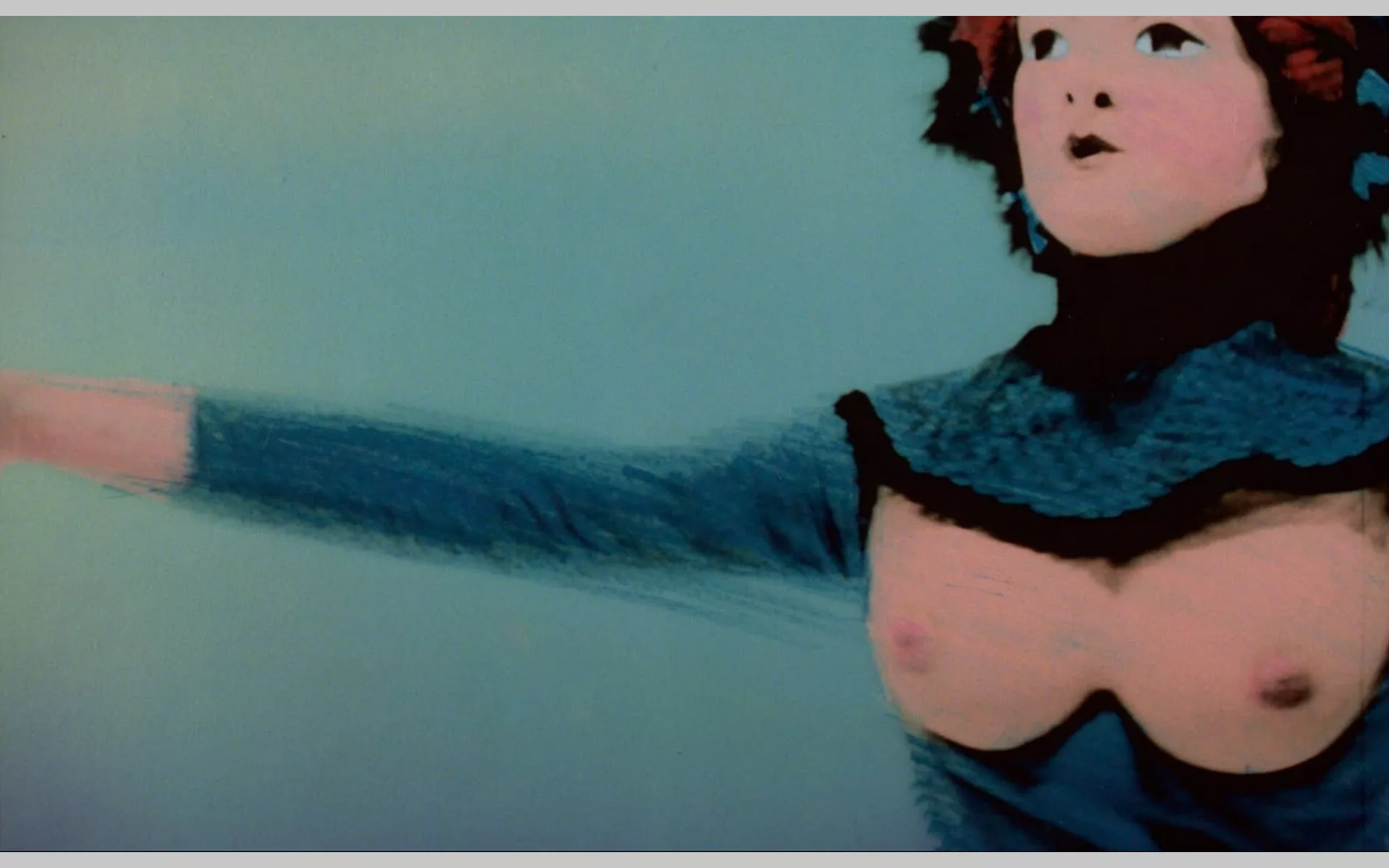
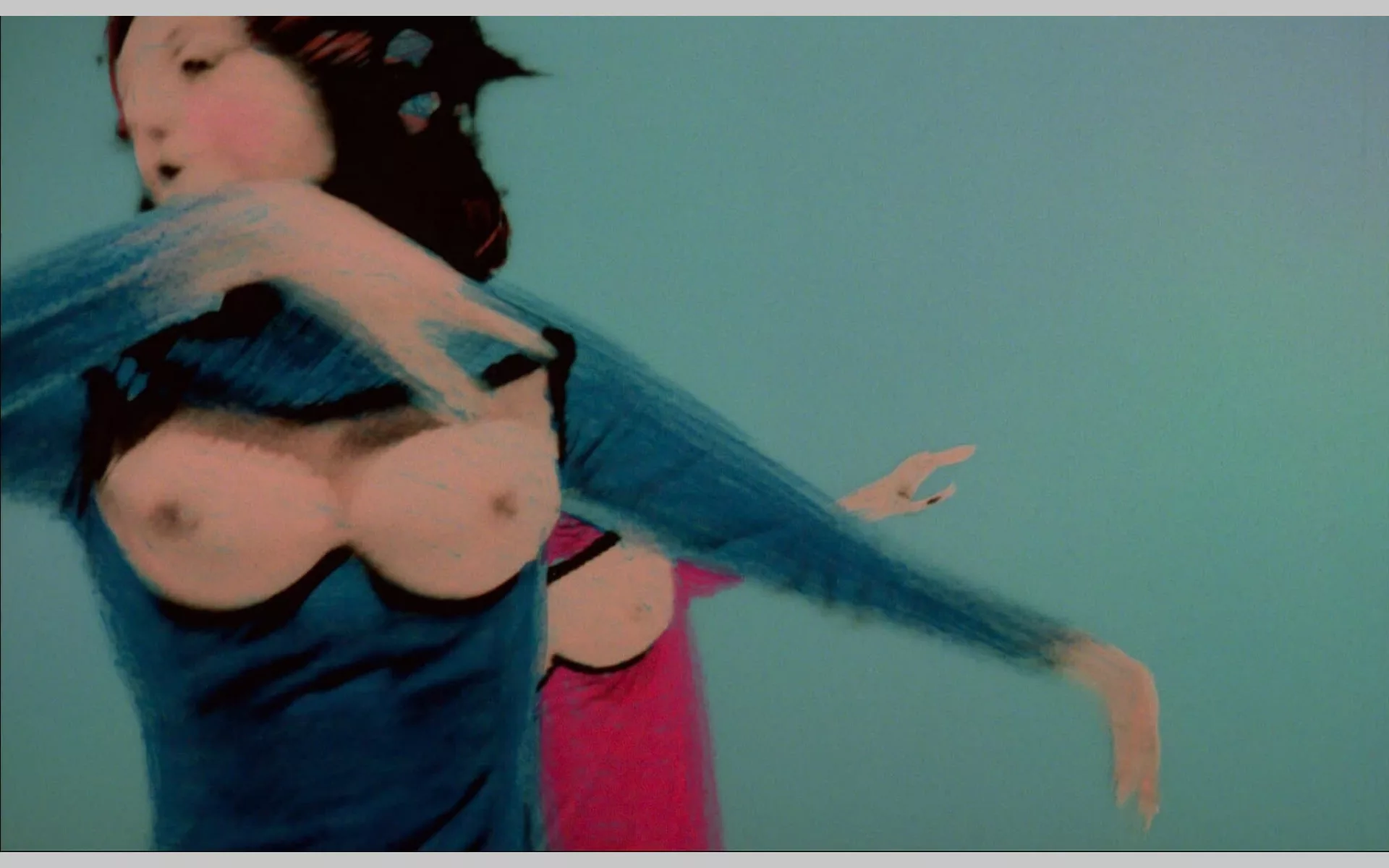
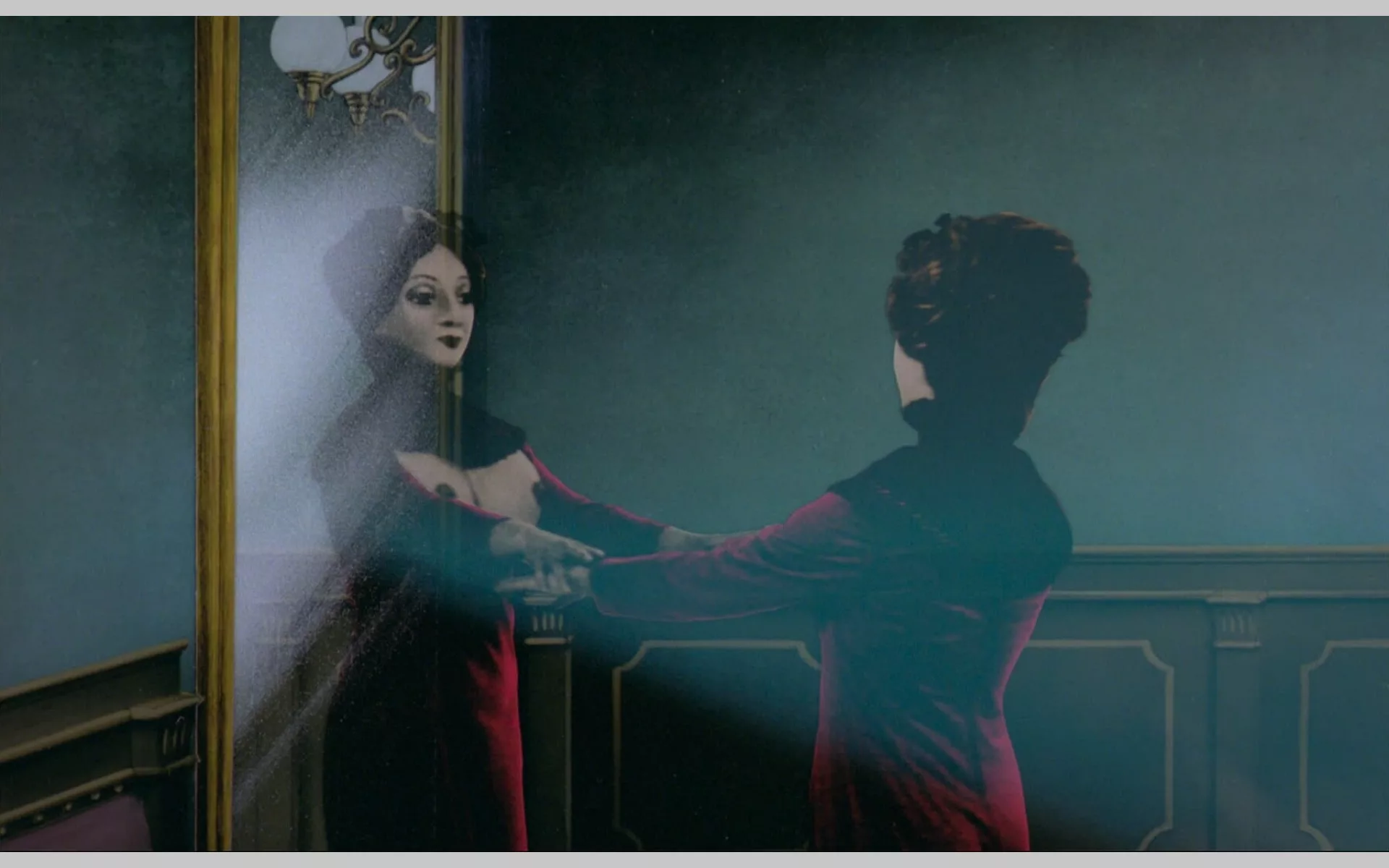
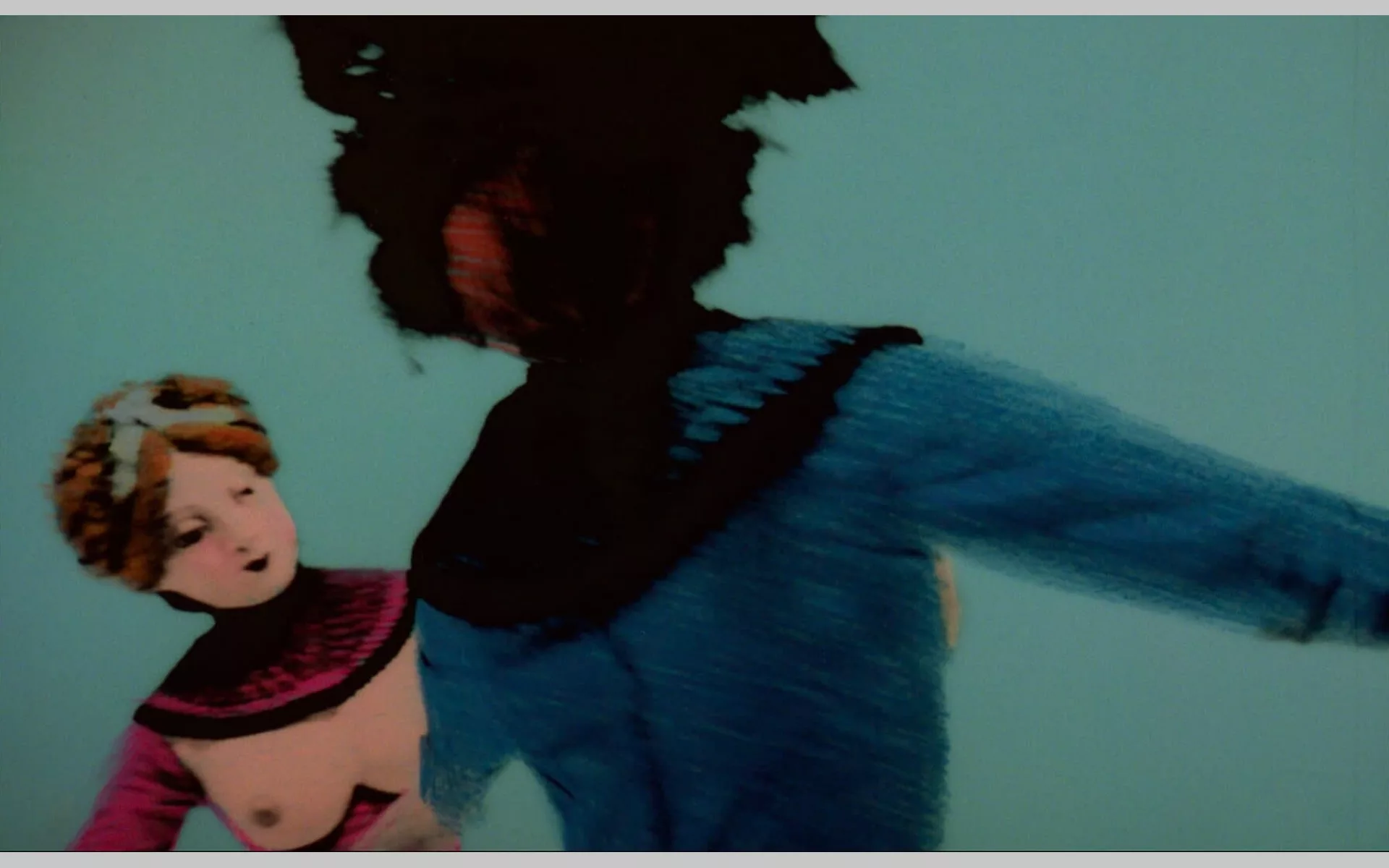
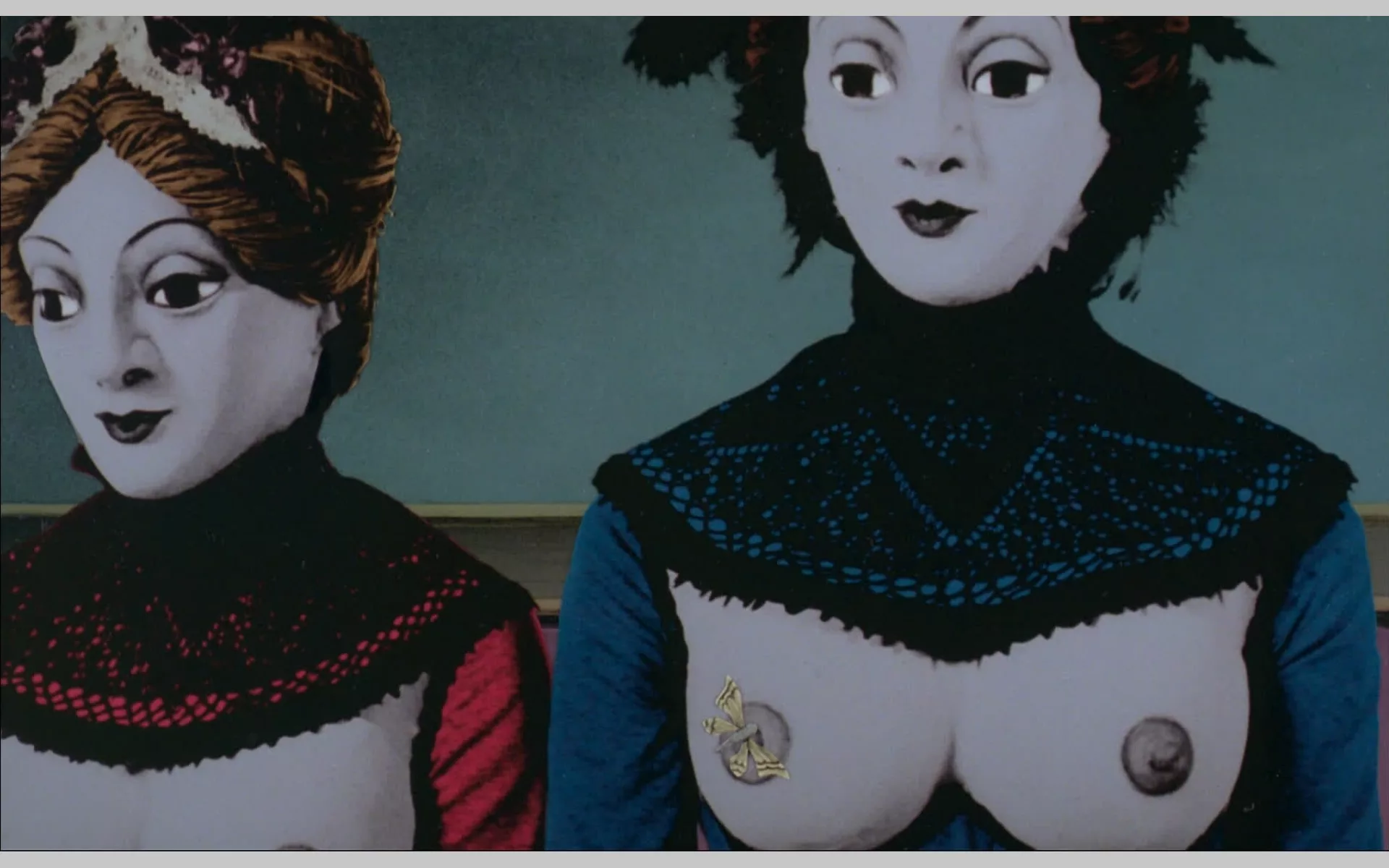
Nocturnal Butterflies
Nachtvlinders
Raoul Servais, Belgium 1998 / Color / 8’ / V: NO-DIALOGUE
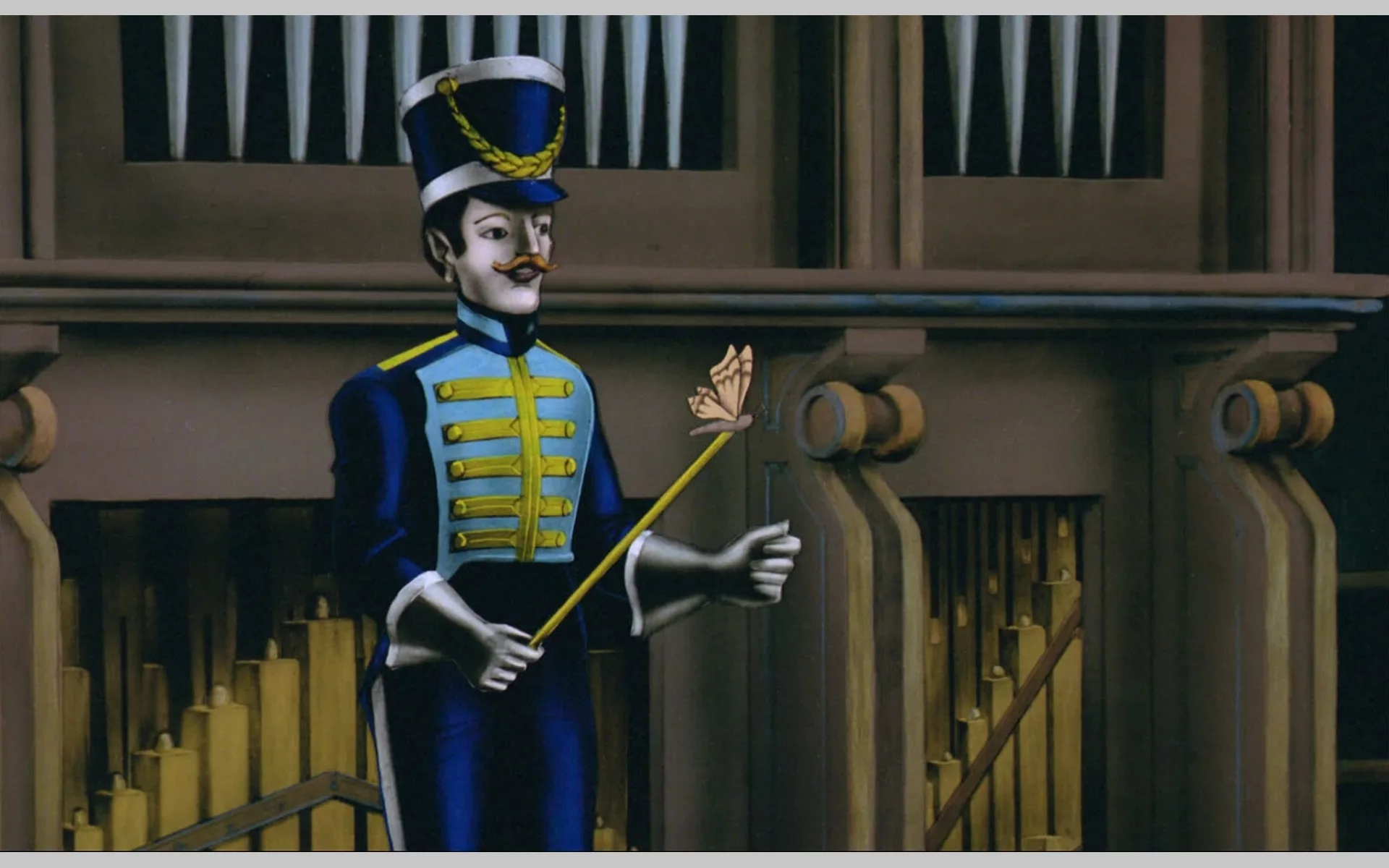
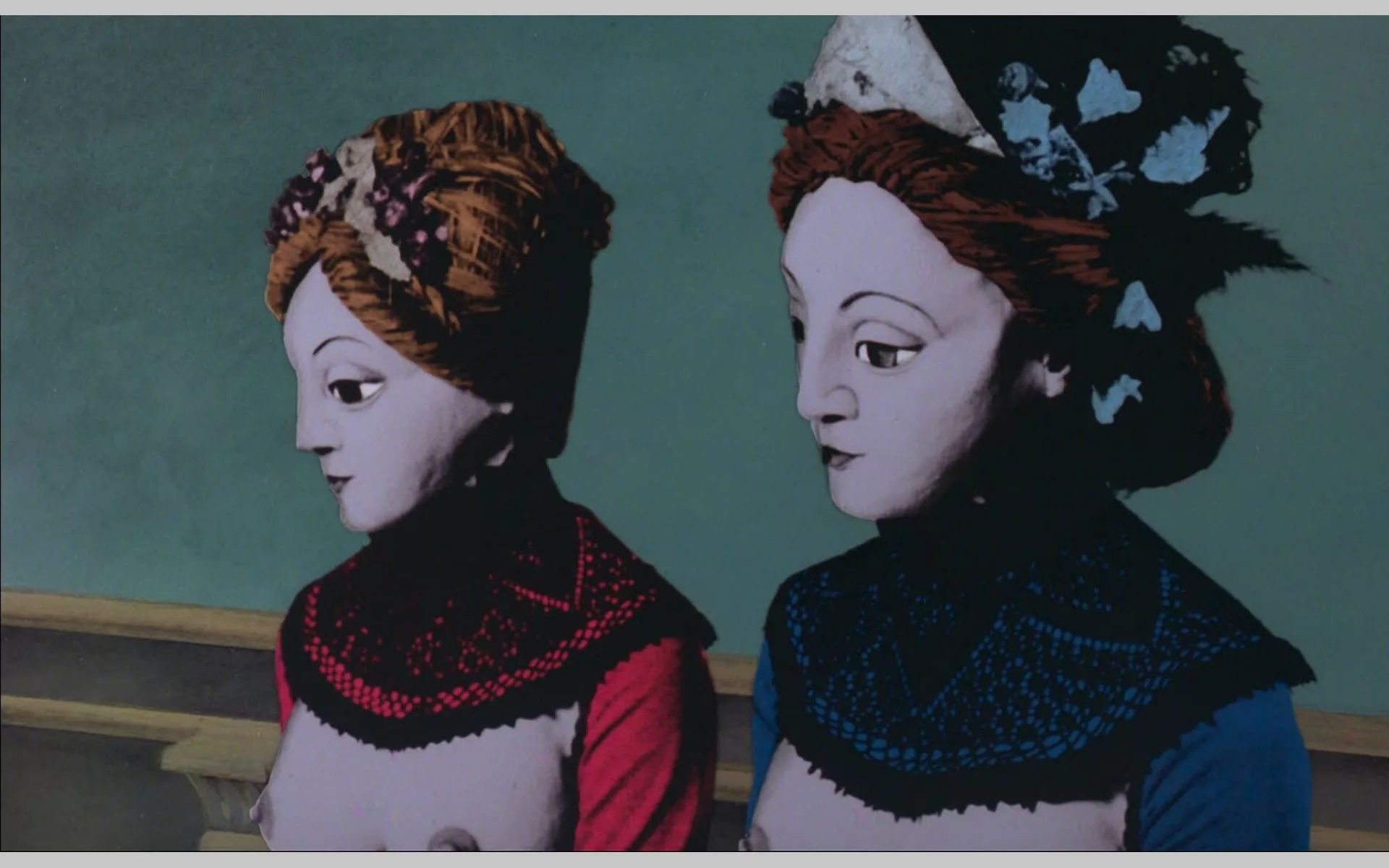
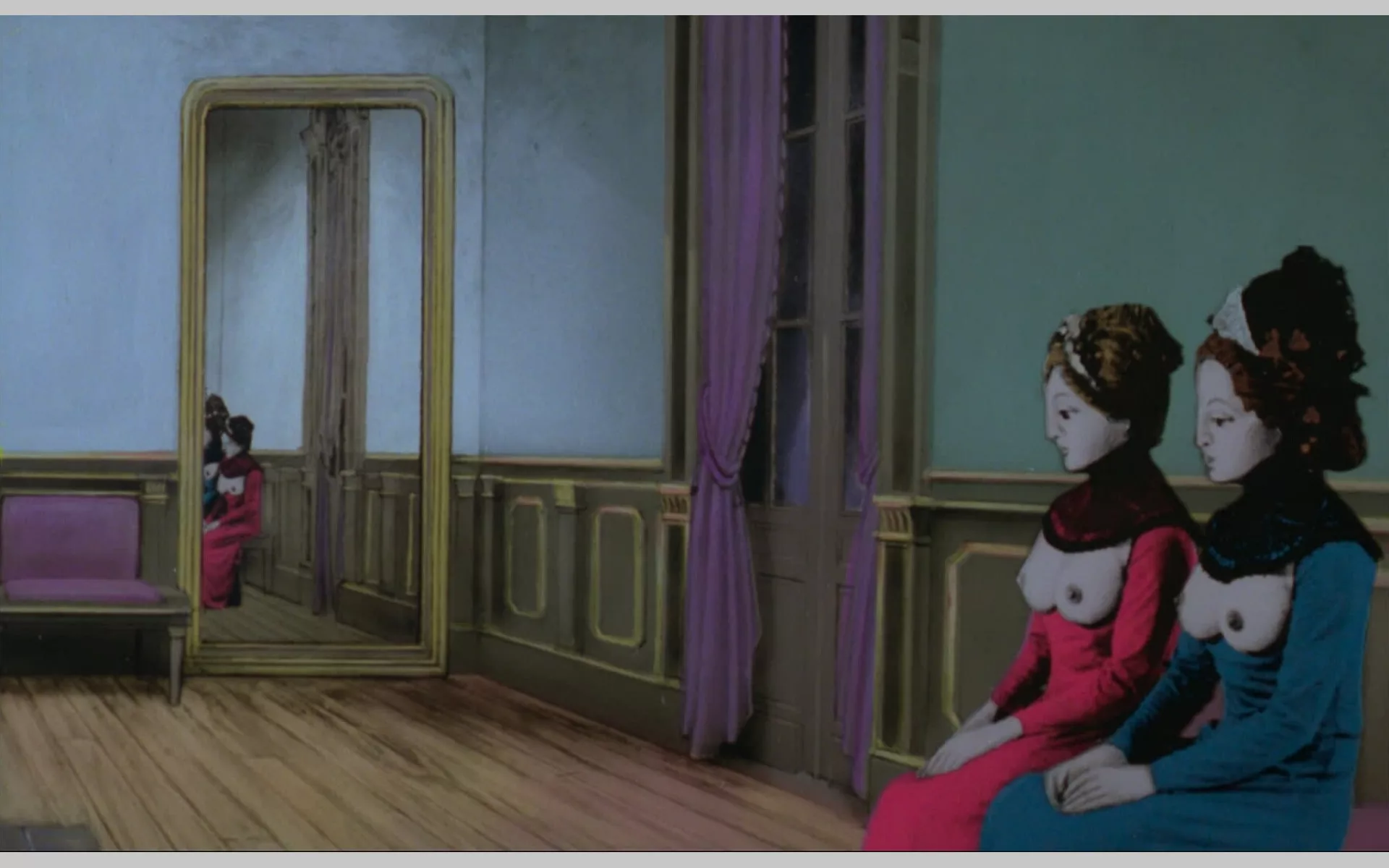
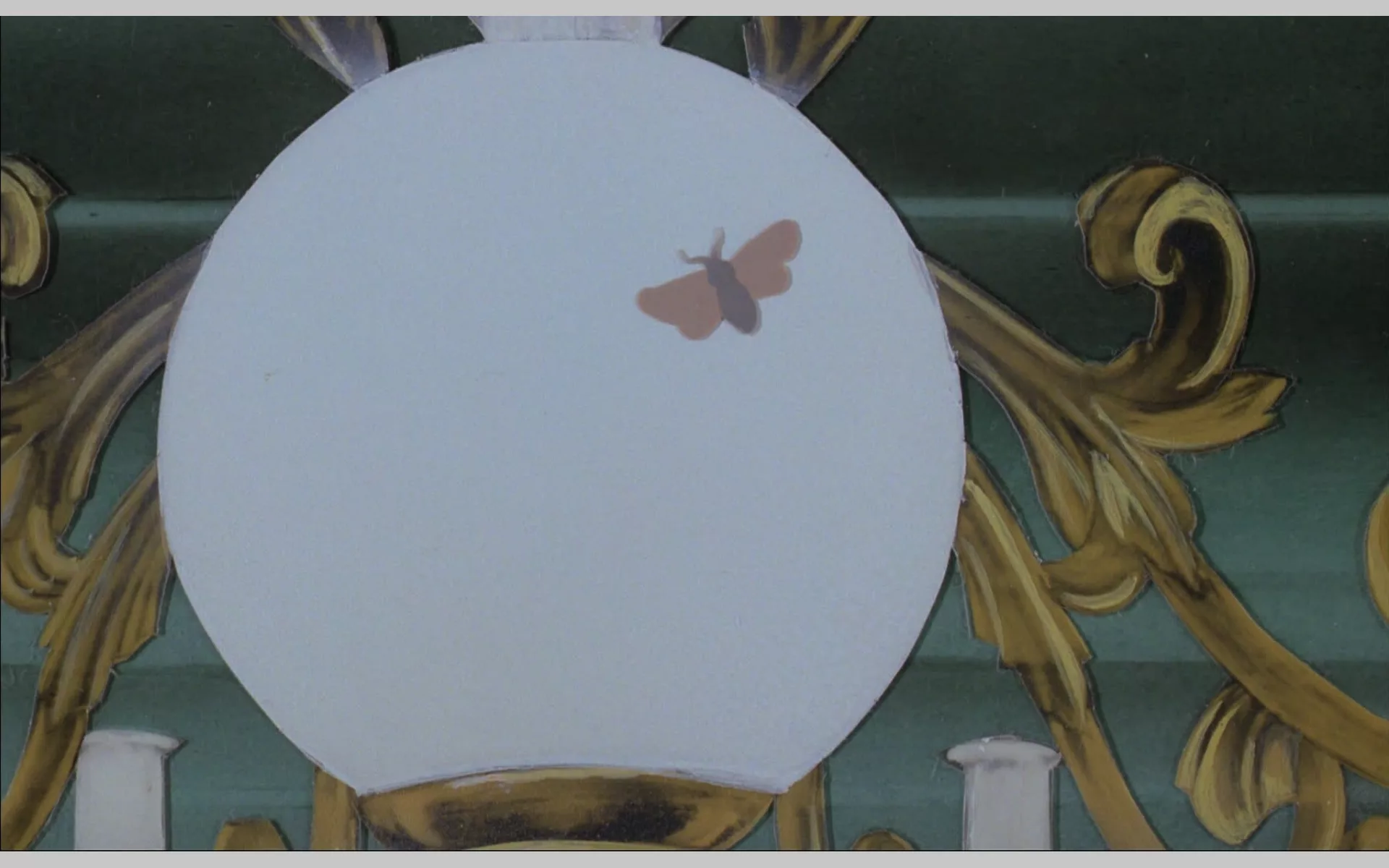
A beautiful moth leads us towards the waiting room of an abandoned railway station. Suddenly a surreal situation comes to life. Inspired by the work of the Belgian surrealist painter Paul Delvaux. Nocturnal Butterflies is the only film that was entirely made in the ‘Servaisgraphy’ technique.
“It proved to be a very interesting technique on the field of visual result, but became obsolete because of the complicated labour it required and the development of digital technology.”
Screenwriter: Raoul Servais
Animation: Joëlle Servais
Director of Photography: Lou Demeyere
Cast: Trees Bonte, Elise De Vliegher, Valérie Chaminaud, Niki Constantinidis; Jo Roets
Production: Annemie Degryse, Anagram, Atelier aaa & Channel Four Television
Editing: Chantal Heymans, Raoul Servais
Sound Design: Benoît Biral
Musical composition: Bo Spaenc
Production designer: Étienne Schreder, Marc Brackez, Isabelle Cracco, Jonathan Persyn
Costumes: Claudine Grinwis Plaat Stultjes
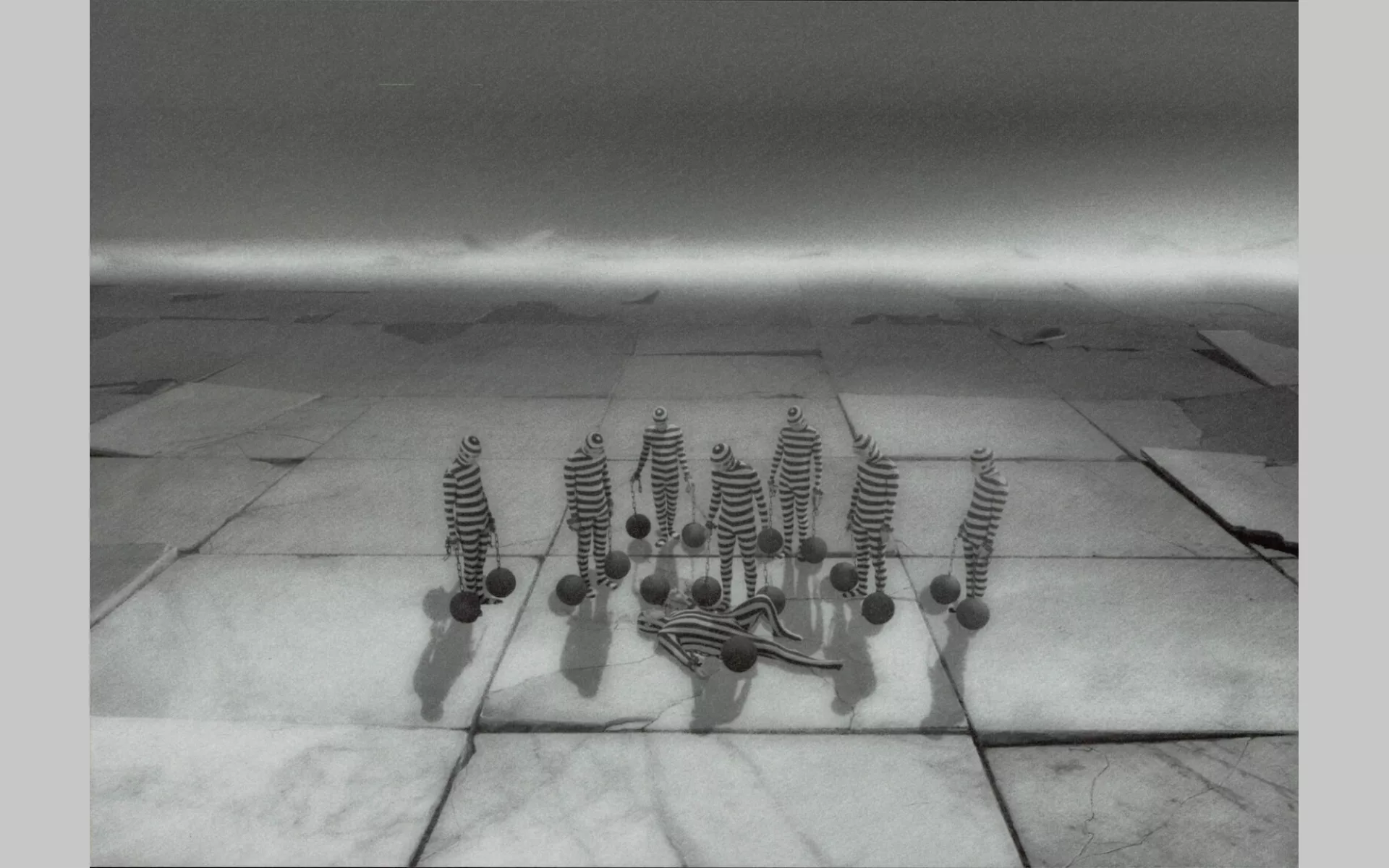
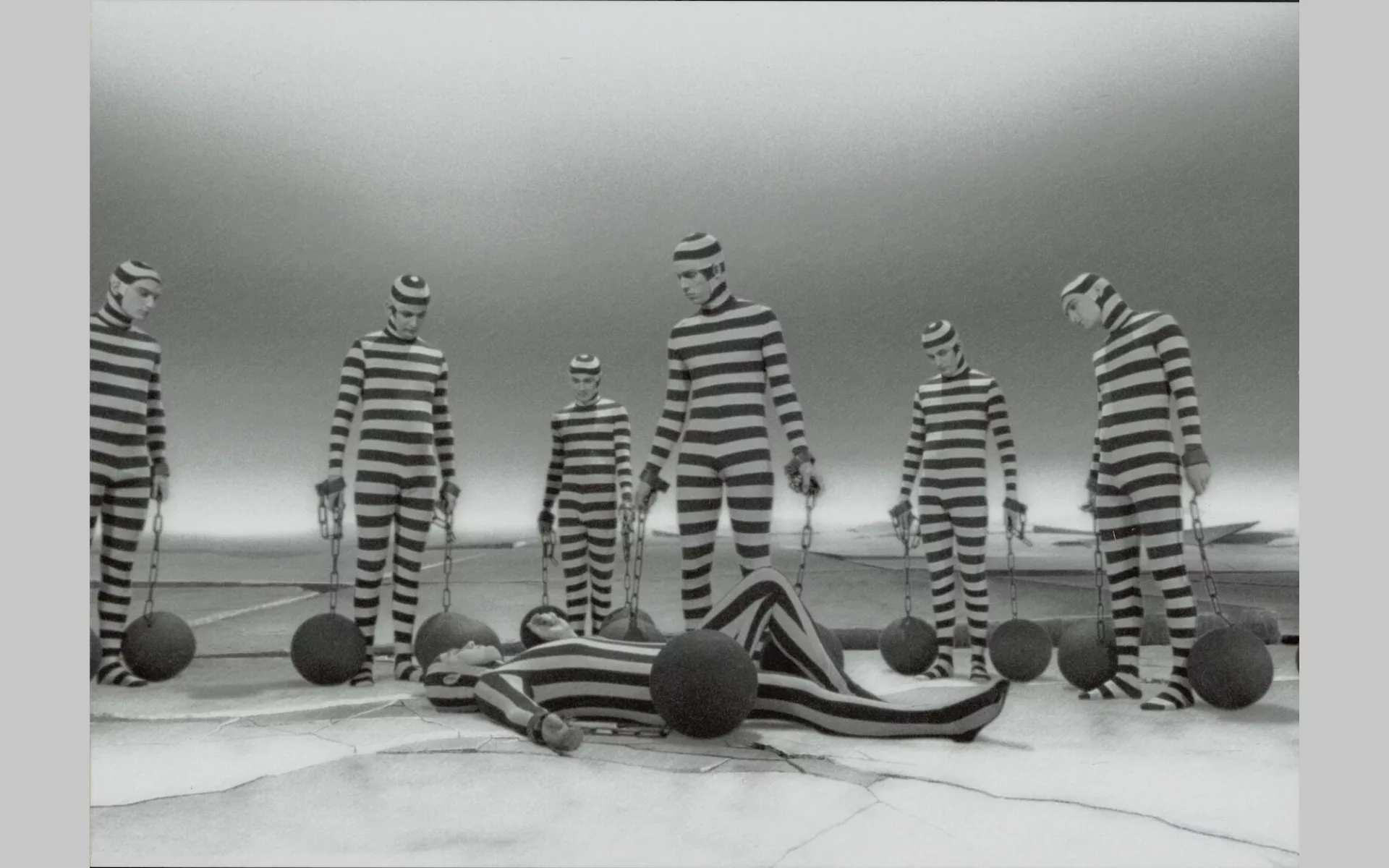
Atraksion
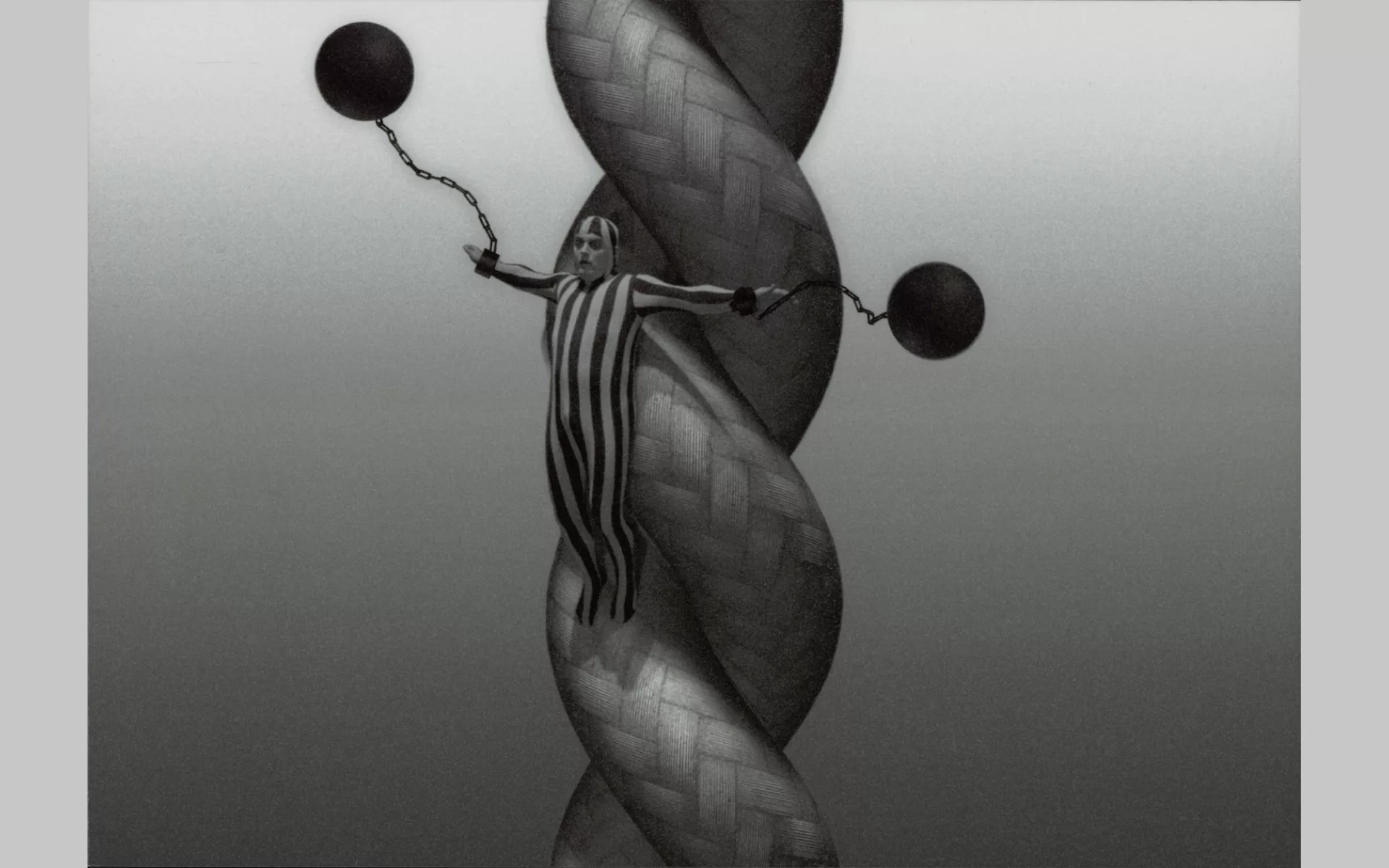
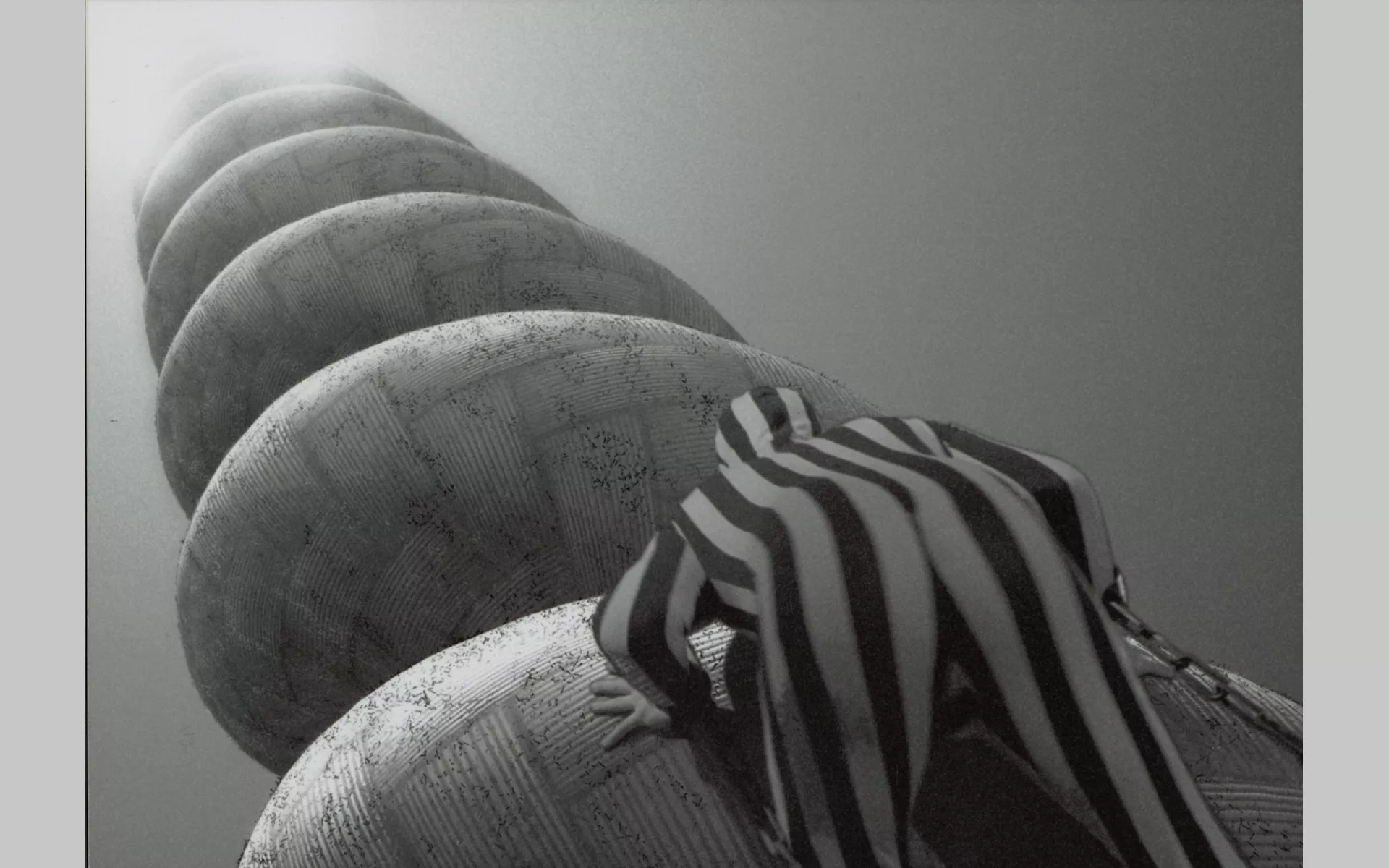
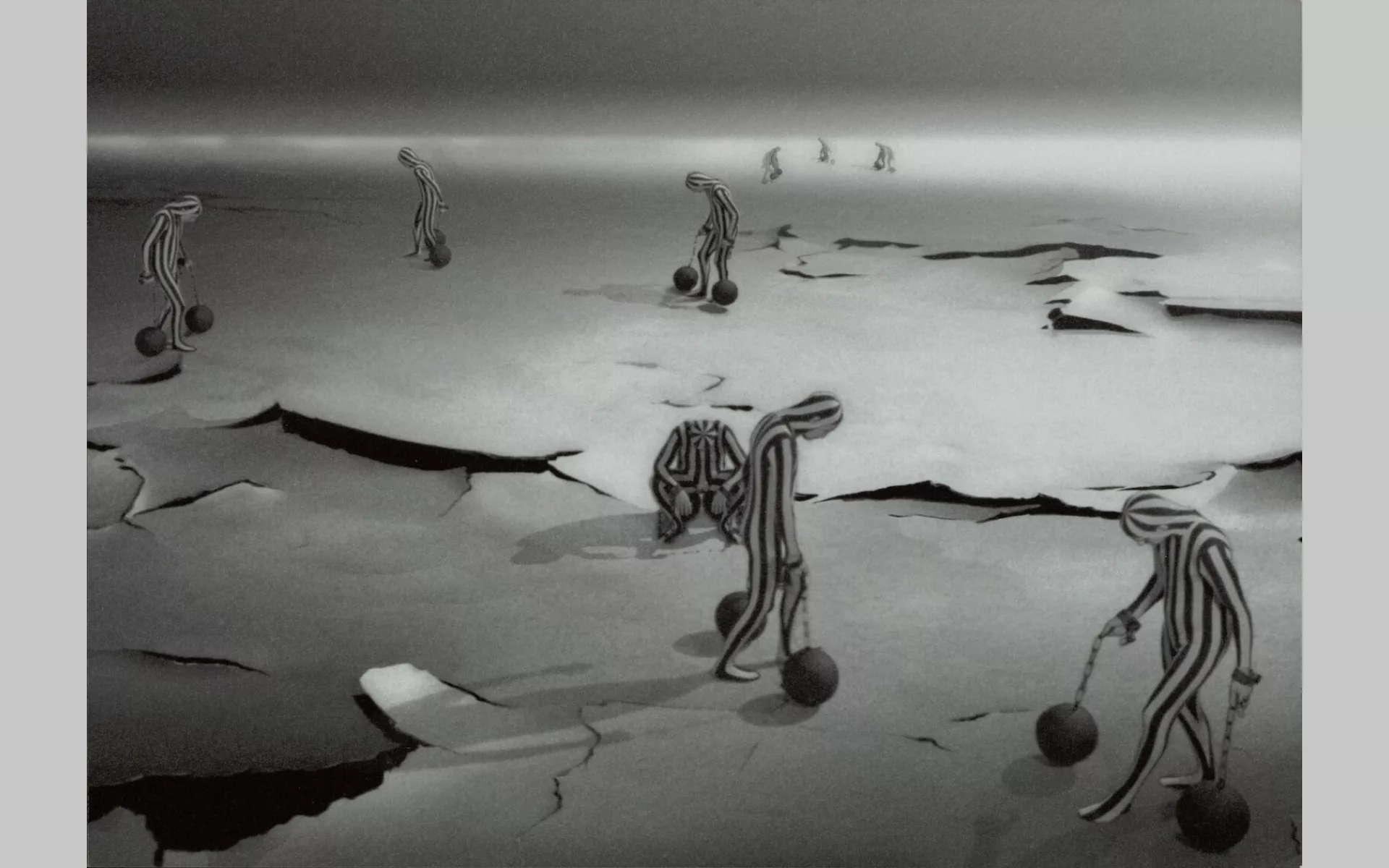
Atraksion
Raoul Servais, Belgium 2001 / Color / 10’ / V: NO-DIALOGUE
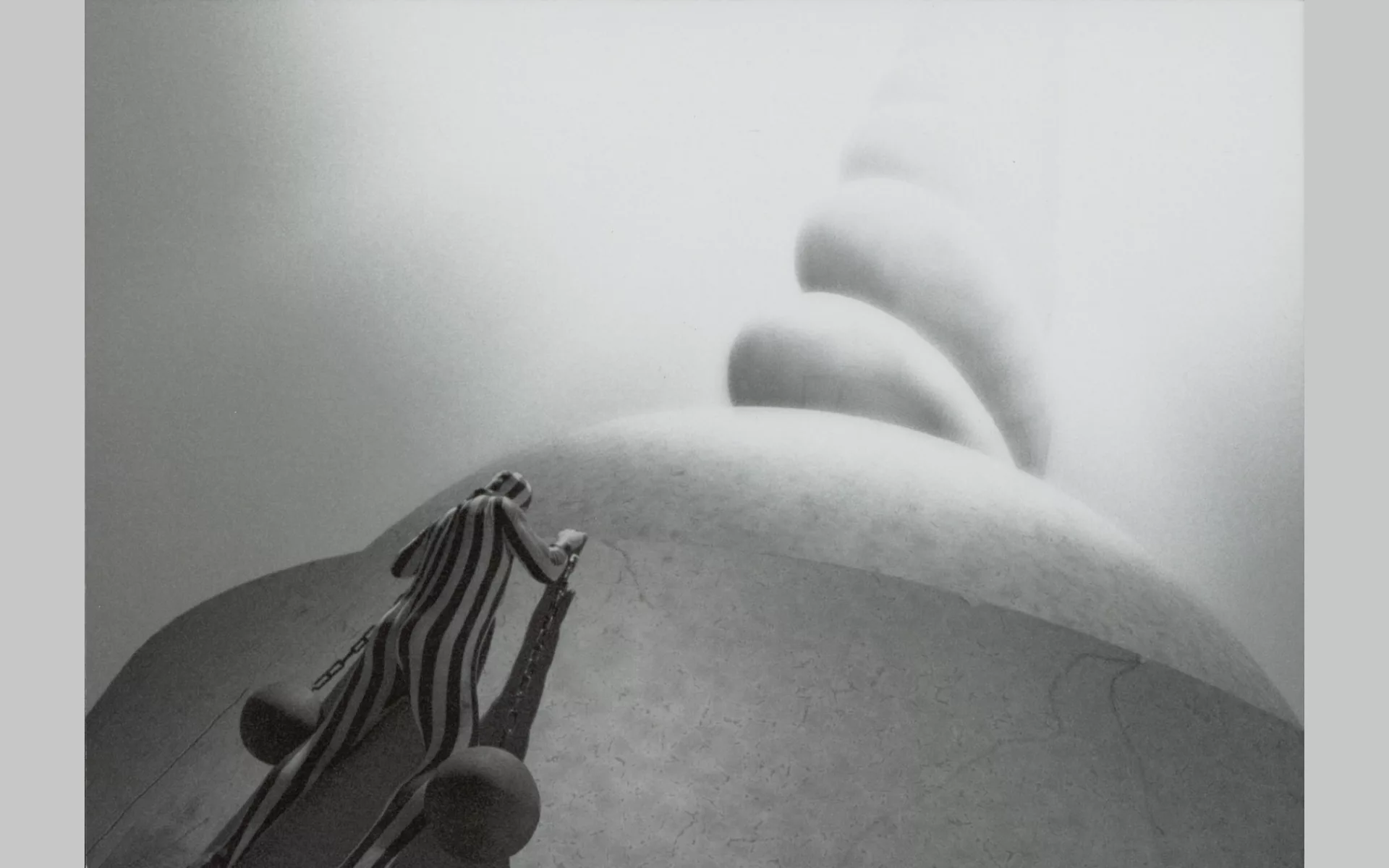
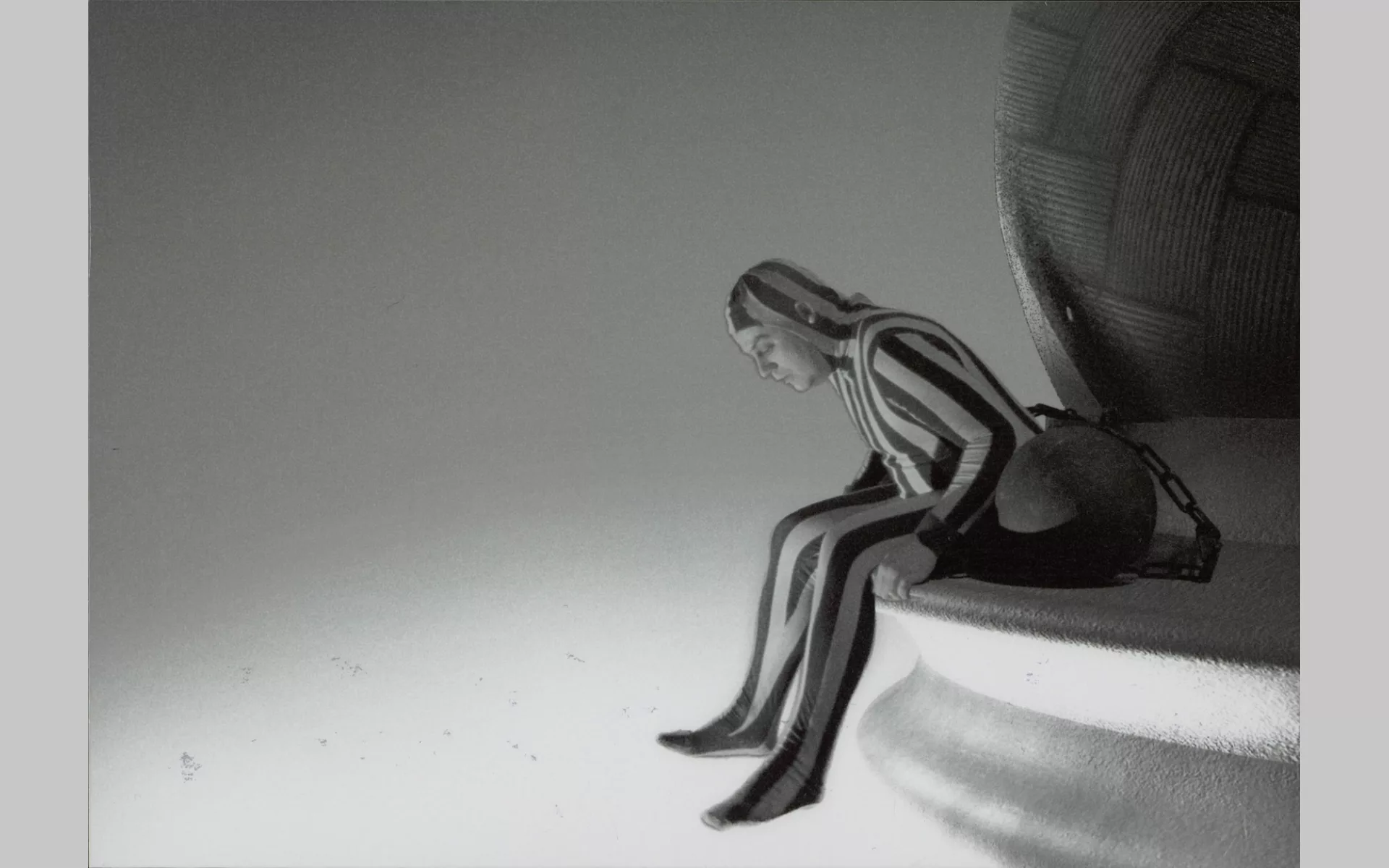
A couple of downcast prison inmates work their way through the most desperate of landscapes. One of them ventures to look up towards a shining light. Is that their deliverance? He decides to go for it.
“Atraksion meant my acknowledgement of digital technique. My contribution was limited to giving artistic directions to computer operators, wherein I had to admit that their knowledge was far greater than mine will ever be.”
Screenwriter: Raoul Servais
Computer graphics: Benoît Razy, Bertrand Breuze
Director of Photography: Lou Demeyere
Musical composition: Lucien Goethals
Sound Design: Marina Lerchs
Production: Anagram, Oeil pour Oeil, CRRAV, Studio Le Fresnoy & Fonds Film in Vlaanderen
Cast: Marq Rawls & Vlaamse Mimefederatie
Production designer: Virginie Bourdin, Marc Brackez
Costumes: Claudine Grinwis Plaat Stultjes
[1] R. SERVAIS, “Les Racines élémentaires de Raoul Servais”, interview Le Soir [Online], lesoir.be
[2] R. SERVAIS in edition DVD CINEMATEK
[3] D. DE LAET, Fantastique et S.F. dans le cinéma belge, Ed. Pemey Diffusing, 1996
[4] R.SERVAIS, Interview par Philippe Moins [Online], awn.com
Movie Info
- Director :
- Raoul Servais
- Year :
- 1960-2001
- Country :
- Belgium
- Film Format :
- color
- Genre :
- Animation, Short, Experimental
Restoration Info
- Year of restauration :
- 2014
- Digital Preservation :
- Digital Restoration – 2K
- Info restauration :
- Raoul Servais' collection of short films was restored in 2014-2018 by the Royal Film Archive of Belgium – CINEMATEK, with the support of the Baillet Latour Foundation, the assistance of Belspo and thanks to the support of National Lottery players.
The restoration of this short film collection by the Royal Film Archive of Belgium – CINEMATEK was made possible with the support of the Baillet Latour Foundation, the help of Belspo – the Belgian Science Policy Office and thanks to the support of National Lottery players.


See also…
La machine à viande est cassée
La Machine à viande est cassée
Guy Pirotte, Belgium 1974
Images of an Animated Nation
De parel
The Pearl
La Perle
Henri d'Ursel, Belgium 1929
Avant-garde Visions
Deux fois 2 yeux
Twee Keer 2 Ogen
Robbe De Hert, Belgium 1963
Avant-garde Visions
Sneeuwwitje, de sequel
Snow White, the sequel
Blanche-Neige, la suite
Picha, Belgium, UK, France, Poland 2006
Images of an Animated Nation
Scarabus
Gérald Frydman, Belgium 1971
Images of an Animated Nation
Combat de boxe
Charles Dekeukeleire, Belgium 1927
Avant-garde Visions