ARTISTS IN FOCUS
Bordwell / Thompson
Carte Blanche
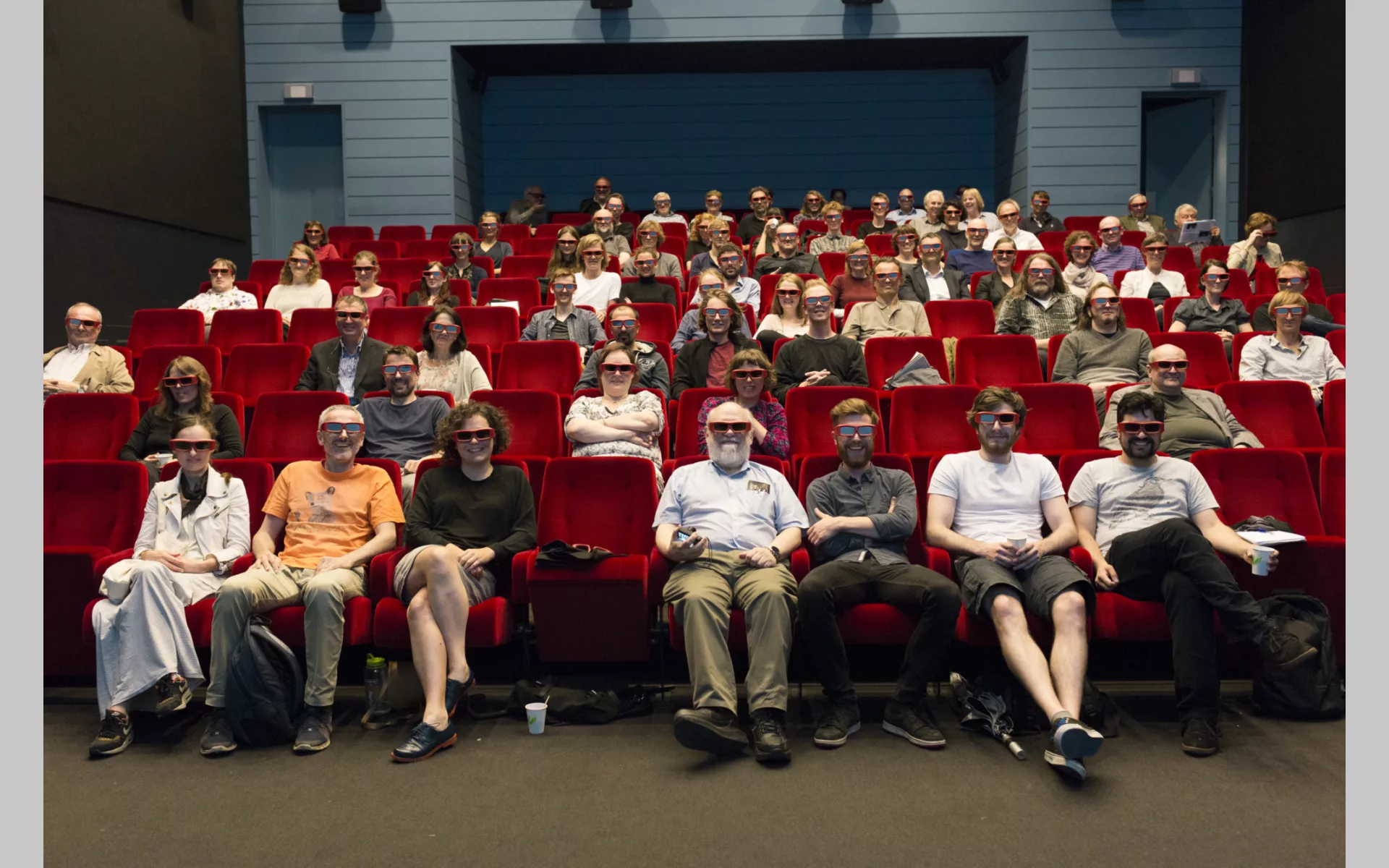
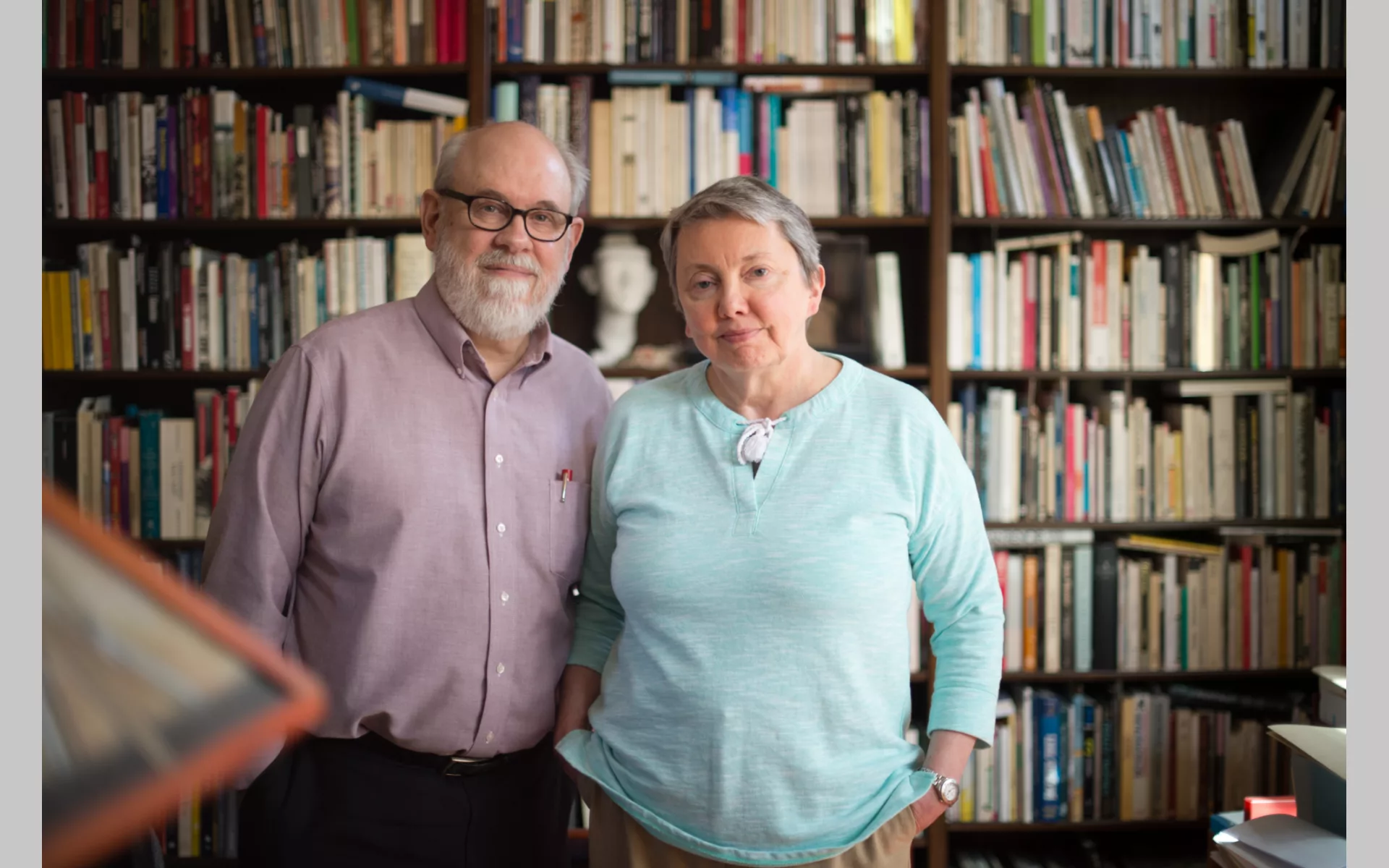
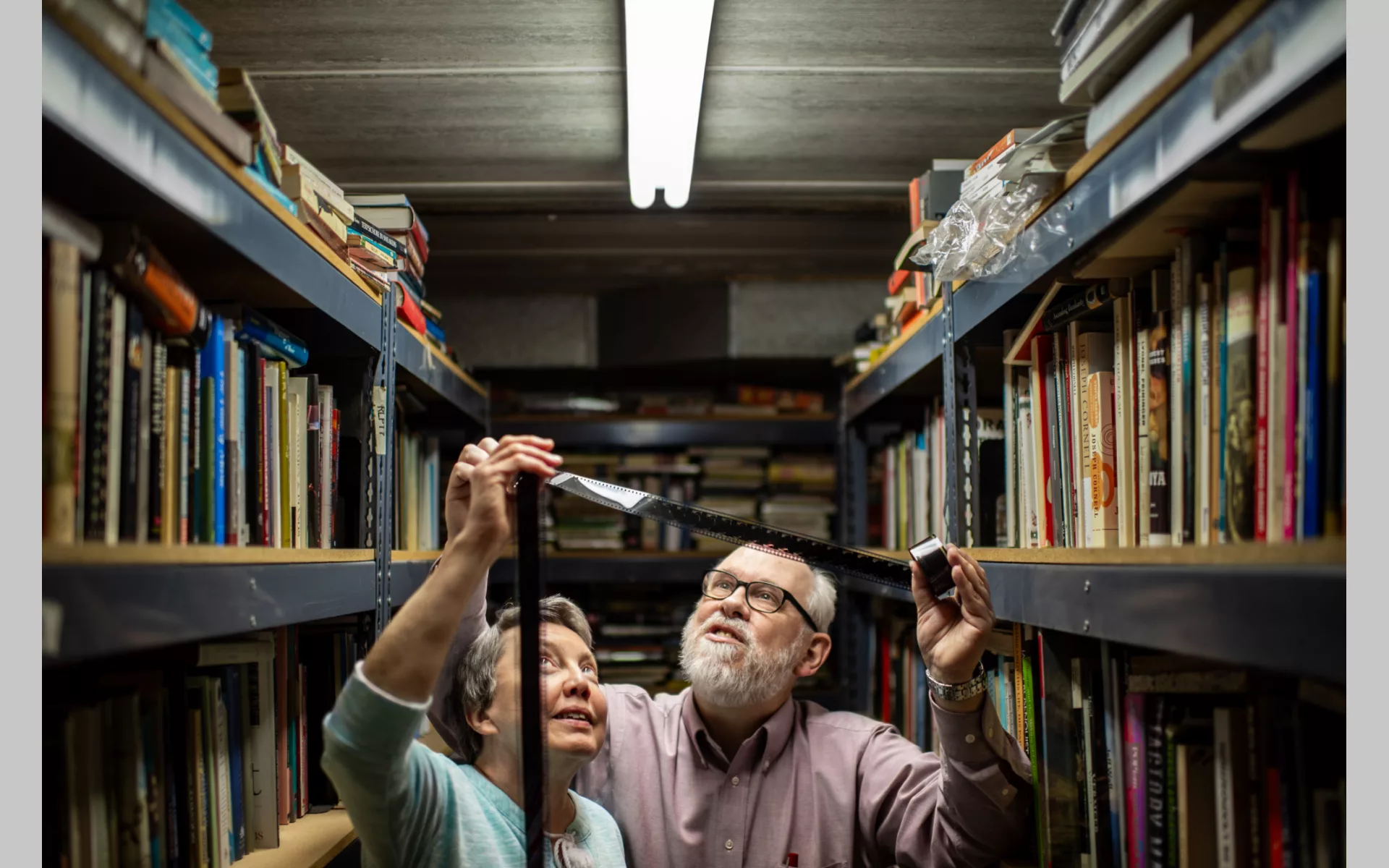
« So grateful was I for Ledoux’s assistance that when I was offered a professorship at my university, I gave it his name. He had just died, and he probably would have protested that he wasn’t worthy; but he has remained an inspiration to us for over forty years »
(David Bordwell)
“Toen ik voor het eerst te horen kreeg het documentatiecentrum voor filmonderzoek naar David en mij vernoemd zou worden, werd ik ook uitgenodigd om een ‘carte blanche’ op te stellen voor een reeks in CINEMATEK. Mijn allerbeste films zijn doorgaans vrij bekend – Play Time van Jacques Tati, Ivan de Verschrikkelijke van Sergej Eisenstein, De zeven samoerai van Akira Kurosawa, M van Fritz Lang, etc. Ik vond het interessanter om films te kiezen die ik erg goed vind, maar minder bekend zijn en vaak in de schaduw staan van bekendere films van dezelfde regisseur. Zoals bijvoorbeeld Kurosawa’s No Regrets for Our Youth. Andere films in de reeks zijn, naar mijn mening, simpelweg niet zo bekend omdat ze moeilijk te zien zijn – vooral op het grote scherm. Ik hoop dat enkele van deze films ertoe zullen leiden dat ten minste een deel van de bezoekers onbekende meesterwerken zal ontdekken.” – Kristin Thompson
Wednesday 07.10 18:00 PLATEAU Cart
Friday 16.10 20:00 PLATEAU Cart
Bordwell / Thompson : Carte Blanche
Lazybones
- Frank Borzage, USA 1925 ⁄ Buck Jones, Madge Bellamy, Virginia Marshall ⁄ B&W ⁄ 95' ⁄ TIT: EN ⁄ ST - OND: — ⁄ PIANO
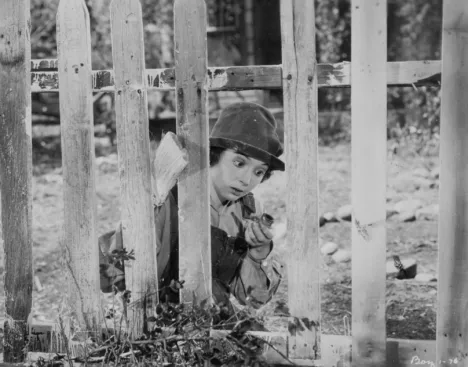
Here is a perfect case of a small gem of a film by Frank Borzage being overshadowed by his most famous silent work, Seventh Heaven. I remember being bowled over by this film during the 1992 Le Gionate del Cinema Muto festival in Pordenone, which included a Borzage retrospective. Lost until a print was discovered in 1970, Lazybones was a revelation. It’s a simple story of an utterly unambitious young man in a small town, played by the amiable cowboy star Buck Jones. He secretly does a great kindness that makes him the pariah of the town and loses him the love of his life. Swiss film historian Hervé Dumont described it well, writing that it was “revealed as the most poignant–and the most accomplished–of Borzage’s works before Seventh Heaven.” – Kristin Thompson
Sunday 18.10 17:15 LEDOUX Cart
Bordwell / Thompson : Carte Blanche
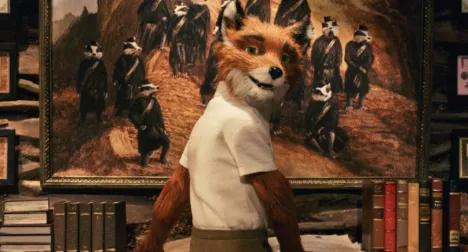
Fantastic Mr. Fox
- Wes Anderson, USA, UK 2009 ⁄ color ⁄ 86' ⁄ ST - OND: FR - NL
For me, Wes Anderson’s films divide into “Before and after Fantastic Mr. Fox.” I don’t care nearly as much for the before films as I do for the after ones. My theory is that Anderson didn’t quite know how to write a script early on. FantasticMr. Fox was his first adaptation of a literary work. Mr. Fox and Roald Dahl seem to have taught him how to create a script with cohesion and complex, sympathetic characters. Animation also injected the charm that the earlier films lacked. His next film was Moonrise Kingdom, David’s and my favorite of his, with its combination of humor and emotion. The rest of his films reflect the lessons he learned from Fantastic Mr. Fox. – Kristin Thompson
Monday 19.10 20:00 PLATEAU Cart
Friday 23.10 18:00 PLATEAU Cart
Sunday 01.11 20:00 PLATEAU Cart
Bordwell / Thompson : Carte Blanche
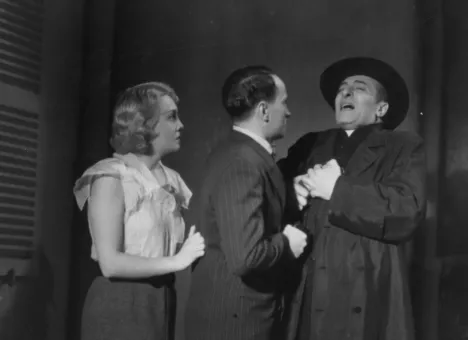
Le Crime de Monsieur Lange
- Jean Renoir, France 1936 ⁄ René Lefèvre, Florelle, Jules Berry ⁄ B&W ⁄ 79' ⁄ ST - OND: NL
La règle du jeu goes on my list of the top ten masterpieces of world cinema. But Monsieur Lange is a delightful film that should not be overlooked. I have fond memories of David and me teaching it in an introductory film class in the mid-1970s. Now it is virtually forgotten in the USA, where it is no longer available for viewing in any format, apart from short clips on YouTube. Luckily this seems not to be the case in Europe. I was recently able to purchase an imported French DVD and finally see it again. As critic and theorist André Bazin, wrote, “In any case it is, along with the sublime A Day in the Country, one of the most ’charming’ of Renoir’s films." – Kristin Thompson
Monday 12.10 20:15 PLATEAU Cart
Wednesday 21.10 18:00 PLATEAU Cart
Bordwell / Thompson : Carte Blanche
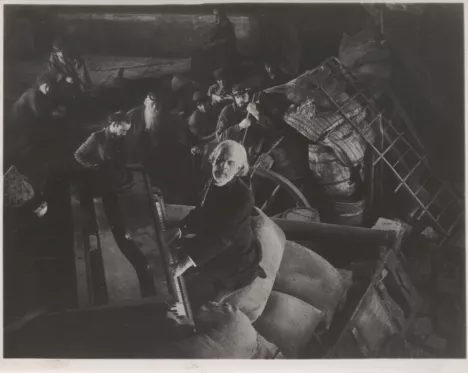
La Nouvelle Babylone
Het Nieuw Babylon
Novyy Vavilon
- Grigori Kozintsev, Leonid Trauberg, USSR 1929 ⁄ David Gutman, Yelena Kuzmina, Andrei Kostrichkin ⁄ B&W ⁄ 102' ⁄ TIT: RU ⁄ ST - OND: FR - NL ⁄ PIANO
During the 1920s in Soviet Russia, Grigori Kozintsev and Leonid Trauberg were the leading members of the FEKS (“Factory of the Eccentric Actor”) filmmaking group. As the name suggests, the practitioners aimed not at realism, but at the grotesque, the comic, and the appeal of popular rather than high art. New Babylon deals with the Paris Commune of 1871, a brief period when workers took over the French government. It was seen as a forerunner of the Soviet Revolution. The title refers to a giant Parisian department store, which also seems to be in the business of putting on patriotic operettas about the current war with Germany. The store’s owner and patrons, as well as the performers in the operettas represent the bourgeoisie, while the workers who staff the store eventually rebel and join the doomed revolutionary government. The lengthy opening section of wild reveling in the store is the best example of the eccentricity that distinguished their films. – Kristin Thompson
Sunday 25.10 19:15 LEDOUX Cart
Bordwell / Thompson : Carte Blanche
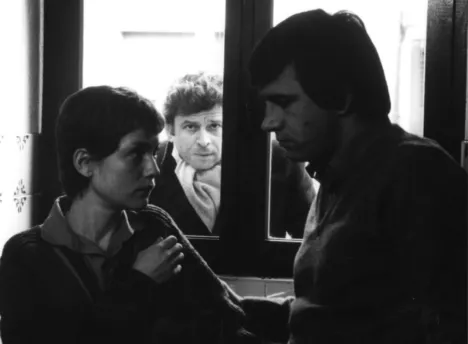
Passion
- Jean-Luc Godard, Switzerland, France 1982 ⁄ Isabelle Huppert, Hanna Schygulla, Michel Piccoli ⁄ color ⁄ 87' ⁄ V: FR ⁄ ST - OND: —
I shall never forget seeing Passion for the first time in 1982 and wondering how the simple shots of an ordinary jet-trail that open the film could be so beautiful. Jean-Luc Godard made so many films, and they were typically divided into many periods across his career. I think of Passion as coming in a period when Godard was less overt in displaying his politics and created features that had reasonably comprehensible though somewhat confusing plots that still had a distinct political undercurrent. Sauve qui peu (la vie), his previous feature falls into the same category. That wasn’t a particularly beautiful film, but much of Passion is gorgeous as a result of a plot-line in which a film director is staging Rembrandt’s The Night Watch using actors. It’s still a challenging film for many people, but I must admit, I like challenging films. – Kristin Thompson

Sunday 25.10 20:15 PLATEAU Cart
Tuesday 27.10 18:00 PLATEAU Cart
Thursday 05.11 18:00 PLATEAU Cart
Bordwell / Thompson : Carte Blanche
Intervention divine
Divine Intervention
Yadon ilaheyya
- Elia Suleiman, France, State of Palestine, Morocco, Germany 2002 ⁄ Elia Suleiman, Manal Khader, George Ibrahim ⁄ color ⁄ 92' ⁄ ST - OND: FR - NL
Racial tensions in Ramallah may not seem like a promising topic for a comedy. Seemingly influenced by Jaques Tati in his filming style and by Buster Keaton in his acting style in the lead role (both of which he denies), Palestinian director Elia Suleiman manages it. The simple story involves two lovers, one living in Jerusalem and one in Ramallah, who must repeatedly pass through a checkpoint to see each other. Working within Israel has limited his production to four feature films from 1996 to 2019. Of those features, this is my favorite. Recent violence in Palestine has led to Suleiman to suspend his filmmaking career. – Kristin Thompson
Monday 26.10 21:30 LEDOUX Cart
Saturday 07.11 19:00 LEDOUX Cart
Bordwell / Thompson : Carte Blanche
Fleurs d’équinoxe
Equinox Flower
Higanbana
- Yasujiro Ozu, Japan 1958 ⁄ Shin Saburi, Kinuyo Tanaka, Ineko Arima ⁄ color ⁄ 117' ⁄ ST - OND: FR - NL
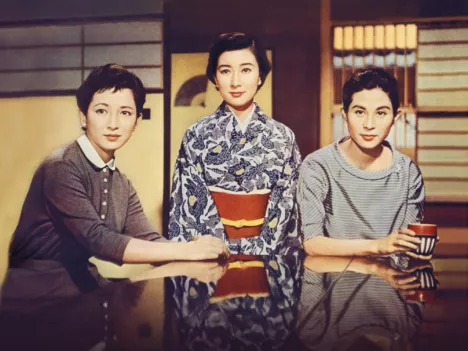
Ozu Yasojiro’s breakthrough film in the West was Tokyo Story, and it has unfortunately gained the reputation as his best film. In fact he made numerous equally brilliant films. David’s favorite was Early Summer, a good choice. I remember thinking Equinox Flower was gorgeous the first time I saw it (it was his first color film) but rather light-weight. A comedy, it centers around a strict father who does not approve of his daughter resisting an arranged marriage while he urges a friend of hers to marry whom she wants. Every time I see it, it seems better, as touching as Ozu’s other films dealing with fathers and daughters. And the motif of a bright red tea kettle is one of many indications that he was one of the great masters of color. – Kristin Thompson
Sunday 01.11 15:15 LEDOUX Cart
Bordwell / Thompson : Carte Blanche
The Taking of Power by Louis XIV
La Prise de pouvoir par Louis XIV
- Roberto Rossellini, France 1966 ⁄ Jean-Marie Patte, Raymond Jourdan, César Silvagni ⁄ color ⁄ 94' ⁄ ST - OND: NL
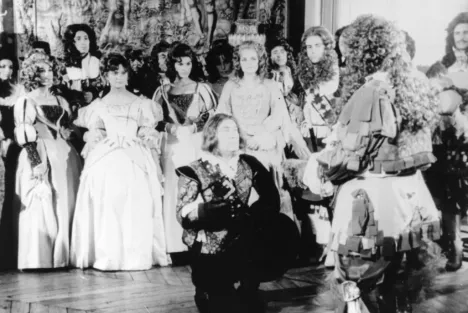
From 2016 to 2023, David and I, along with our colleague Jeff Smith, created a series of video essays for the Criterion Collection’s streaming service. The Criterion people wanted us to cover aspects of cinema from our textbook, Film Art. Fairly late in the series our producer pointed out to me that we had never dealt with costumes in a film. That focus had never occurred to us, but as it was my turn to create a video, I pondered what film would be interesting for such a topic, I naturally thought of Roberto Rossellini’s first historical drama, The Taking of Power by Louis XIV, which I hadn’t seen since my graduate-school days. It turned out to be quite delightful and an excellent choice for a costume drama in which costumes were actually central to the plot. – Kristin Thompson
Sunday 08.11 17:15 LEDOUX Cart
Bordwell / Thompson : Carte Blanche
Je sais où je vais
I Know Where I’m Going!
- Michael Powell, Emeric Pressburger, UK 1945 ⁄ B&W ⁄ 91' ⁄ ST - OND: FR - NL
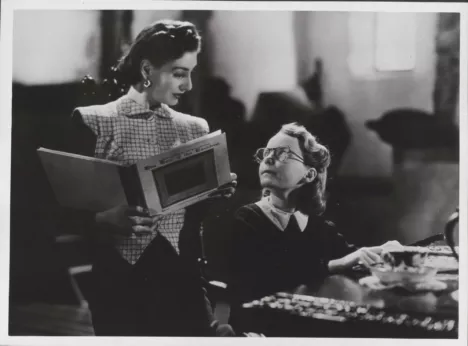
Michael Powell and Emeric Pressburger’s gorgeous Technicolor films of the 1940s are the flashiest and most popular with many audiences, especially The Red Shoes. I must admit that Black Narcissus is my favorite, but the more modest, black-and-white I Know Where I’m Going! is a close second. There is a delightful humor to the opening establishment of the heroine and her stubborn belief that her happiness will lie in marrying a wealthy older man who lives on an isolated Scottish island. Of course we know that she’s wrong and watch with pleasure as obstacle after obstacle keeps her from reaching her goal. These include a gale at sea and a dangerous whirlpool, as if nature itself is warning her to change her mind. Wendy Hiller gives a marvelously performance as the stubborn heroine. – Kristin Thompson
Monday 16.11 19:00 LEDOUX Cart
Bordwell / Thompson : Carte Blanche
The Silent North : Anthology of silent films
La Charrette fantôme
De spookkar
Körkarlen
- Victor Sjöström, Sweden 1921 ⁄ Victor Sjöström, Hilda Borgström, Tore Svennberg ⁄ B&W ⁄ 85' ⁄ TIT: SV ⁄ ST - OND: FR - NL ⁄ PIANO
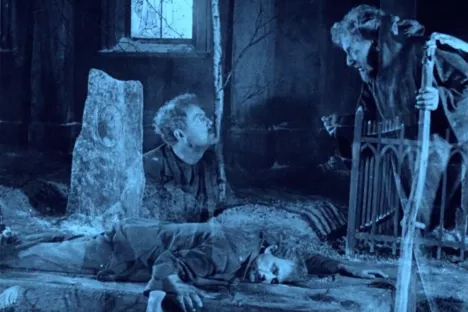
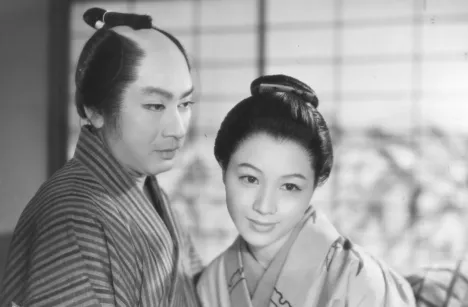
Viktor Sjöström was the leading director of the Golden Age of Swedish cinema in the 1910s and early 1920s. The Phantom Carriage is an extraordinarily sophisticated film for 1921, full of flashbacks and impressive special effects. It opens on New Year’s Eve with Edit, Salvation Army volunteer, dying. She unexpectedly begs her caregivers to fetch the town drunk, David Holm, to her bedside. Meanwhile Holm sits drinking in a graveyard and telling two drunken friends the legend of the phantom carriage, the vehicle that carries away the souls of the newly dead; it is driven each year by the last person to die at the end of the previous year. Holm then dies at midnight, and the carriage arrives, with its current driver ready to turn the job over to him. Flashbacks enact both the circumstances of how the heroine met Holm and the happy family whom Holm had alienated. It’s a deeply affecting story, wonderfully acted and staged. The famous superimpositions that portray the carriage and the dead are highly ambitious and impressively executed—an all executed in the camera rather than through lab work. – Kirstin Thompson
Friday 20.11 19:00 LEDOUX Cart
Sunday 22.11 17:00 LEDOUX Cart
Bordwell / Thompson : Carte Blanche
Les Amants crucifiés
A Story from Chikamatsu
Chikamatsu monogatari
- Kenji Mizoguchi, Japan 1954 ⁄ Kazuo Hasegawa, Kyôko Kagawa, Yōko Minamida ⁄ B&W ⁄ 101' ⁄ ST - OND: FR - NL
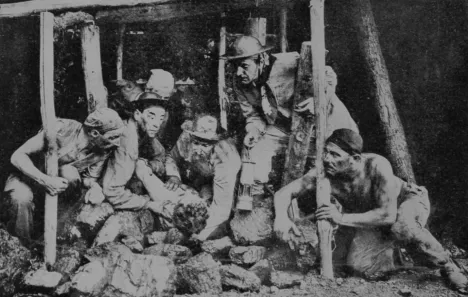
One of Mizoguchi Kenji’s latest films, Chikamatsu Monogatari (“Story from Chikamatsu,” the famous playwright from whose work the film was derived) has long been overshadowed by The Life of Oharu, Ugetsu Monogatari, and Sansho the Bailiff, all prize-winners at the Venice film festival and often thought of as a sort of trilogy. When I finally got a chance to see Chikamatsu Monogatari in a 35mm screening, I was surprised that it was not considered alongside the earlier films. I suspect that the original American release title, The Crucified Lovers, suggesting a sensational film not associated usually associated with Mizoguchi. Like his more famous films, however, it deals with the cruelties, particularly against women, in earlier eras of Japanese history. Set in 1700, when adulterers were paraded through the streets and crucified, a faithful and sympathetic worker in a printing firm is falsely accused of having an affair with his wealthy boss’s wife. The two are forced to flee, and the rest of the film focuses on their growing love and the ruthless pursuit that drives them onward. The beauty of the cinematography and the rest of the film’s style are similar to those of the more famous films, and it deserves to be considered a comparable masterpiece. – Kristin Thompson
Tuesday 29.09 19:00 LEDOUX Cart
Lectures, introductions, workshops...
Bordwell / Thompson : Carte Blanche
Germinal
- Albert Capellani, France 1913 ⁄ Mévisto, Jean Jacquinet, Henry Krauss ⁄ B&W ⁄ 146' ⁄ TIT: FR ⁄ ST - OND: — ⁄ PIANO
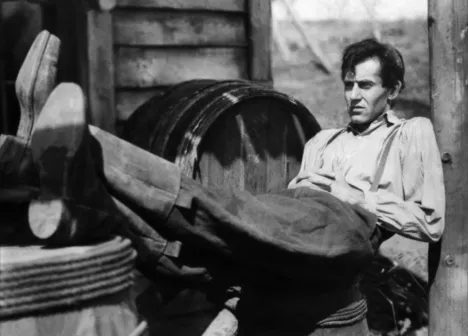
A few decades ago, Alberto Capellani was an obscure name and very few of his films were known to survive. With the two retrospectives of his found and restored films at the Il Cinema Ritrovato in Bologna in 2010 and 2011, it became clear that he was a director on a level with D. W. Griffith, Louis Feuillade, and Victor Sjöström. Germinal is probably his masterpiece, one of the great films that made 1913 the annus mirabilis of early cinema. Its relatively restrained acting, gritty realism suitable to Zola’s novel, and skillfully long takes are unique for this era. It deserves to be seen on the big screen. — Kristin Thompson
Preceded by an introduction in English by Kristin Thompson.
+ GUEST
Wednesday 30.09 19:00 LEDOUX Cart
Lectures, introductions, workshops...
Bordwell / Thompson : Carte Blanche
Vers sa destinée
De jonge Mr. Lincoln
Young Mr. Lincoln
- John Ford, USA 1939 ⁄ Henry Fonda, Alice Brady, Marjorie Weaver ⁄ B&W ⁄ 94' ⁄ ST - OND: NL - FR
+ INTRO
Thursday 01.10 18:30 LEDOUX
Lectures, introductions, workshops...
Bordwell / Thompson : Carte Blanche
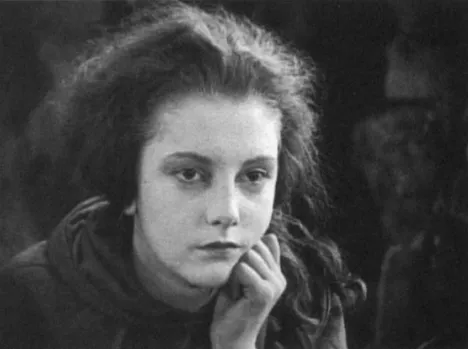
LECTURE
An Evening on Bordwell & Thompson
- Kristin Thompson - Anke Brouwers - Tom Paulus ⁄ ⁄ EN ⁄ 90 ⁄ FREE ADMISSION
Thursday 01.10 21:00 LEDOUX Cart
Lectures, introductions, workshops...
Bordwell / Thompson : Carte Blanche
Le Dernier des Mohicans
The Last of the Mohicans
- Maurice Tourneur, Clarence Brown, USA 1920 ⁄ Wallace Beery, Barbara Bedford, Alan Roscoe ⁄ B&W ⁄ 75' ⁄ TIT: FR - NL ⁄ ST - OND: — ⁄ PIANO
Relatively few of Maurice Tourneur’s American films survive, but the ones that do are remarkable. The Last of the Mohicans is set during the French and Indian War of the mid-1700s. Its cinematography is gorgeous, particularly in the scenes set in spectacular landscapes. Tourneur’s signature compositional technique of shooting through an aperture, like a foreground doorway or cave opening, is used several times. The film stands out from most Hollywood films of its day for its uncompromising depiction of the ruthless conflict between the British and those Indians allied with the French. The scene of the inhabitants of the fort leaving under an assumed truce and are massacred can still create considerable suspense today, and the outcome contradicts the notion that all Hollywood films end happily. — Kristin Thompson
Screening accompanied by live music with Hughes Maréchal (piano), Ronald Van Spaendonck (clarinet) and Sébastien Walnier (cello).
+ GUEST
Sunday 04.10 17:00 LEDOUX Cart
Bordwell / Thompson : Carte Blanche
Rendez-vous
The Shop Around the Corner
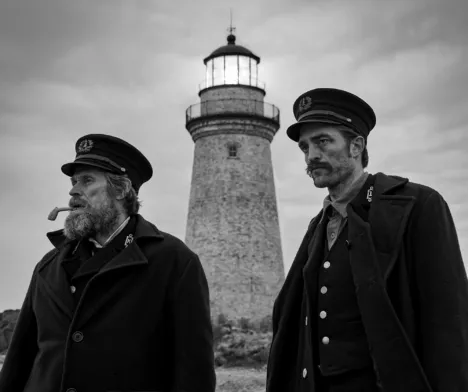
- Ernst Lubitsch, USA 1940 ⁄ Margaret Sullavan, James Stewart, Frank Morgan ⁄ B&W ⁄ 98' ⁄ ST - OND: FR - NL
I love Lubitsch and even wrote a book about his silent films. (What task for a film scholar could be more enjoyable than writing about him?) Apart from film scholars and buffs, most people recognize the name only because of Ninotchka, and that probably because of Garbo. Trouble in Paradise is assumed to be his masterpiece, but The Shop Around the Corner is its equal or very close, in my opinion. A splendid rom com with a perfect balance between rom and com. A great script, played wonderfully by the supporting cast, and even more wonderfully by stars Margaret Sullavan and Jimmy Stewart. It may be a comedy, but the ending always threatens to bring tears to my eyes. – Kristin Thompson
Friday 09.10 21:00 LEDOUX Cart
Bordwell / Thompson : Carte Blanche
The Lighthouse
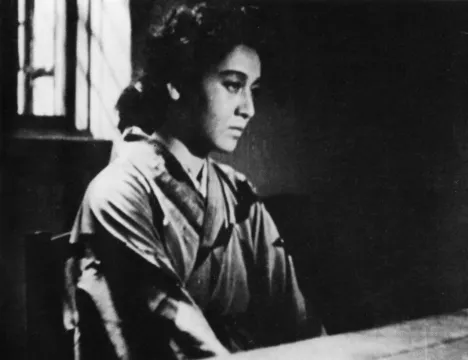
- Robert Eggers, USA, Canada 2019 ⁄ Robert Pattinson, Willem Dafoe, Valeriia Karaman ⁄ B&W ⁄ 109' ⁄ ST - OND: FR
David and I saw Robert Eggers’ film in 2019, on our last visit to the Venice Film Festival before Covid hit. Two years later David’s chronic lung disease started his slow decline, and we were not able to return. I am not particularly fond of the horror genre, but I admire German cinema of the 1920s, notably Expressionism and Kammerspiel—which were often respectively horror films and psychological dramas. The Lighthouse is an excellent pastiche combining both. It imitates the look of silent film, right down to manipulating modern film stock to have the quality of early cinema. The story of two isolated lighthouse keepers who gradually go mad and turn against each other fits well into the tone of those German silents. It’s genuinely creepy, if not exactly scary. – Kristin Thompson
Saturday 10.10 21:30 LEDOUX Cart
Bordwell / Thompson : Carte Blanche
Je ne regrette rien de ma jeunesse
No Regrets for Our Youth
Waga seishun ni kuinashi
- Akira Kurosawa, Japan 1946 ⁄ Setsuko Hara, Susumu Fujita, Denjirô Ôkôchi ⁄ B&W ⁄ 109' ⁄ ST - OND: EN
I had seen a considerable number of Kurosawa Akira’s films by the time I watched No Regrets for Our Youth, his first film made after World War II. It struck me as completely different from his other work. Taking a political subject set in the 1930s, it dealt with Yukie young woman whose father is fired from his professorship because of his anti-fascist views and whose husband is later accused of being a leftist spy and dies in prison. She visits her husband’s farming peasants, who reject her because she is associated with their disgraced son. She carries on helping on the farm despite their rejection of her. Setsuko Hara, usually associated today with the work of Ozu Yasujiro, gives a very different and excellent performance in this fascinating film. – Kristin Thompson